

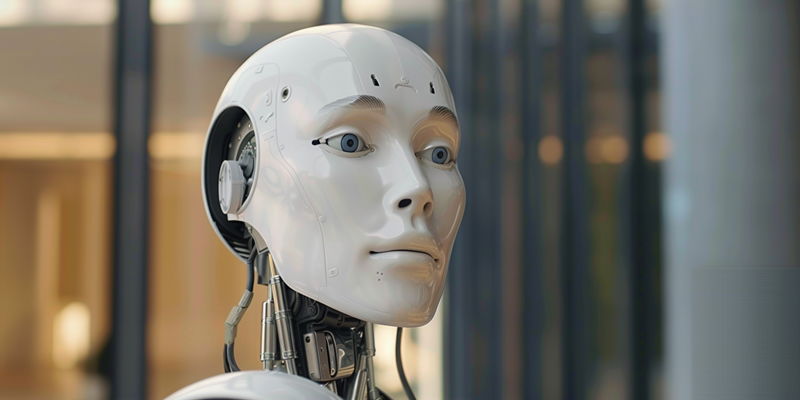
The job market is on the cusp of a transformation unparalleled in recent history. The advance of generative AI is set to redefine roles, alter industries, and challenge longstanding business practices. This change is not a distant possibility but an imminent reality, with projections suggesting a dramatic shift within the next decade.
The Impact of Generative AI on Entry-Level Jobs
The Automation of Routine Tasks
Generative AI stands to revolutionize how routine tasks are completed in the workforce. A recent report from Cognizant points out that entry-level positions, such as HR assistants, administrative assistants, and proofreaders, are at high risk of automation. These roles often involve repetitive tasks that AI can learn and perform at a scale and speed unattainable by humans. As AI takes on more of these tasks, the very fabric of these jobs will change. Organizations must anticipate the need for their employees to adapt and develop new skills that complement the capabilities of AI.
The Reshaping of Traditional Roles
The broader implications for the labor market are profound. As generative AI assumes responsibility for more complex tasks, even positions that seemed secure from automation—such as auditors or computer programmers—will transform. Workers in these fields will need to shift from routine process execution to roles that require more creative and strategic thinking, where the human touch remains irreplaceable. Organizations will have to support their staff through this transition, fostering a culture of continuous learning and flexibility.
The Necessity of Reskilling Programs
Reinventing Employee Development
In the wake of the generative AI wave, an organization’s competitive edge may well hinge on its employee development programs. Cognizant emphasizes that businesses will need to invest significantly in reskilling initiatives to prepare their workforce for the future. It’s not simply a matter of staying ahead—it’s about survival. Employee learning and growth opportunities could become so central that they feature prominently in shareholder meetings and annual reports, reflecting the health and forward-thinking nature of a company.
Facing the Challenges of Workforce Adaptation
The transitional journey is fraught with challenges. Questions arise around the nature of workforce reductions and the realignment of job roles. Yet, there is also room for optimism with the expansion of learning and development prospects. HR leaders must navigate these tumultuous waters, striking a balance between optimizing productivity with AI and ensuring their staff are equipped for the roles of tomorrow. The Society for Human Resource Management and The Burning Glass Institute suggest that despite the potential for a “high human cost,” there are gains to be made in innovation and job satisfaction.
Legal Considerations in AI Implementation
Regulatory Scrutiny and Best Practices
Legal experts are raising flags about the usage of generative AI in human resource tasks. A survey by Littler Mendelson reveals that professionals expect increasing interest from regulatory bodies. It is likely that departments such as the U.S. Department of Labor and the National Labor Relations Board will soon cast a critical eye on how AI is employed in hiring, supervision, and termination processes. Companies will have to navigate these waters carefully, ensuring they adhere to best practices and legislative requirements.
Preparing for Evolving Legal Frameworks
The employment landscape is poised for an unprecedented shift due to the rapid advancement of generative AI technology. Soon, everyday job functions, entire sectors, and even age-old corporate procedures could see a complete overhaul. The impact of AI is not a speculative future; it is an upcoming certainty, with the potential to reshape the professional world as early as within the next ten years.
As AI’s capabilities grow, many traditional roles may be reimagined or become obsolete, while new categories of jobs are likely to emerge. This technology promises not only to affect individual careers but also to drive structural industry changes and introduce novel challenges to business models. The implications for the workforce and economy are widespread, signifying a transformation that all sectors must prepare for. The transition promises efficiency and innovation, but it also calls for adaptability as the job market prepares to navigate this AI-driven era.