

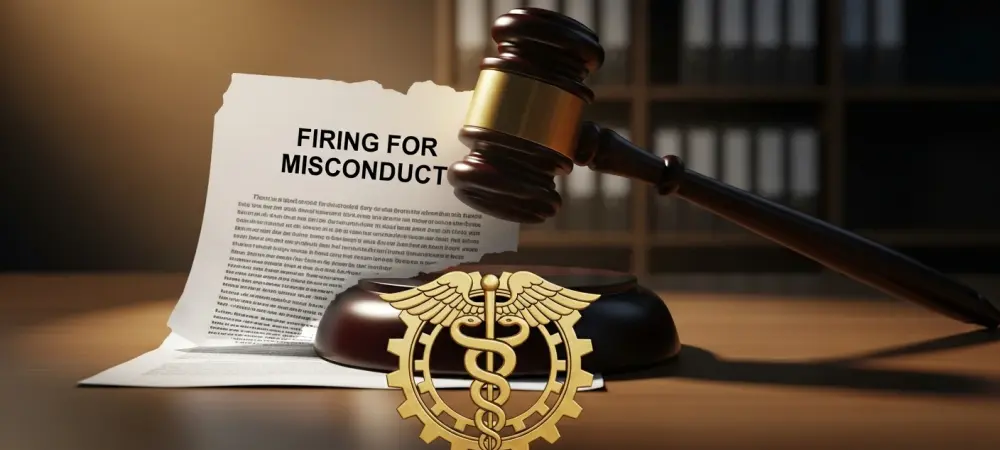
The intersection of employment law and injury liability often creates a complex web of legal obligations that many business owners mistakenly believe are severed the moment an employee is terminated for cause. When a worker is dismissed for violating safety protocols or exhibiting serious misconduct, there is a common assumption that their right to claim disability benefits or medical reimbursements vanishes along with their paycheck. However, the legal reality is far more nuanced, as courts and tribunals frequently prioritize the physical reality of a workplace injury over the behavioral failings of the individual who sustained it.
This article explores the procedural complexities of maintaining workers’ compensation eligibility even after a termination for misconduct. By examining the legal precedents surrounding these disputes, readers will gain a clearer understanding of how liability persists across different employment tracks. The goal is to provide guidance on why an employer’s duty to provide support for a legitimate injury remains intact, regardless of whether the employment relationship ended on bitter terms or due to a breach of contract.
Key Questions Regarding Misconduct and Benefits
Can Serious Misconduct Automatically Disqualify an Injured Worker from Benefits?
Many employers operate under the impression that a “for cause” termination serves as a complete shield against future financial liability regarding workers’ compensation. This perspective often stems from a sense of fairness; if an employee breaks the rules or behaves dishonestly, it feels counterintuitive that the company should continue to provide support. In professional environments, safety violations such as using a mobile device while operating machinery are viewed as grave breaches of trust that justify immediate dismissal.
Despite the validity of a termination, the legal system generally treats the injury and the misconduct as two separate issues. A physical ailment sustained during the course of employment is a liability that exists independently of the worker’s subsequent behavior. While a firing may be legally justified under labor laws, it does not erase the fact that the injury occurred under the employer’s watch. Consequently, the compensating authority typically looks at the medical evidence rather than the circumstances of the employee’s departure when determining the validity of a claim for medical expenses.
How Does Subsequent Employment Affect a Claim After Termination?
When a worker is fired for misconduct and later finds employment elsewhere, the legal landscape regarding their original compensation claim undergoes a significant shift. There is often a perception that by moving on to a new role, the worker has forfeited their right to seek help from their previous employer. This is particularly true if the worker was less than transparent about their physical limitations when applying for the new position, a common occurrence when individuals fear that an injury history will make them unemployable.
However, taking on a new role can actually serve to restore a worker’s standing to claim benefits. If an individual attempts to work but eventually finds that their original injury prevents them from maintaining that new position, the liability often reverts to the initial employer where the injury first occurred. The act of returning to the workforce demonstrates a willingness to remain productive, and if the pain becomes unbearable, the law frequently protects the individual’s right to fall back on disability support. This transition highlights that the core issue is the worker’s physical capacity, not their employment status at any single point in time.
Does Evidence of Dishonesty or Surveillance Invalidate a Medical Claim?
Employers and insurers frequently turn to surveillance to catch claimants in acts that contradict their reported physical limitations. If a worker with a back injury is filmed at a gym or performing strenuous activities, the immediate reaction is to label them a malingerer. This evidence is often paired with a history of past dishonesty, such as failing to disclose a criminal record or previous injuries, to create a narrative that the entire claim is a fabrication intended to defraud the system.
The effectiveness of such evidence is frequently limited if the activities being performed are consistent with medical advice. For example, if a claimant is engaging in supervised rehabilitation exercises that happen to take place in a gym setting, surveillance footage of those activities rarely undermines the medical reality of their condition. While personal dishonesty regarding a resume or past history might damage a worker’s credibility in a general sense, it does not necessarily disprove the existence of a specific, documented workplace injury. Courts tend to rely on clinical findings and expert testimony over the optics of private investigations.
Summary of Legal Principles
The persistence of compensation entitlements after a firing underscores a fundamental principle: workplace misconduct and injury liability exist on distinct legal tracks. Even when a termination is perfectly legal and justified by a breach of safety protocols, the employer remains responsible for the physiological consequences of the work performed during the period of employment. Ignoring a former employee’s request to return for light duties or failing to acknowledge the severity of their condition can lead to significant back-pay obligations and ongoing medical costs.
Furthermore, the “restoration of standing” through subsequent employment or a genuine offer to return to work serves as a vital protection for the injured. It ensures that a single mistake or a period of poor judgment does not permanently strip an individual of their right to recovery and financial stability. Employers should recognize that transparency and a proactive approach to injury management are far more effective at reducing long-term costs than relying on termination as a way to avoid liability.
Final Considerations
Moving forward, organizations must evaluate their internal cultures to ensure that injuries are reported and managed before they escalate into complex legal disputes. When an environment is built on fear, workers are more likely to hide their pain, leading to secondary injuries and the very types of transparency issues that complicate compensation claims later. A culture that encourages early reporting and provides clear pathways for light duties can prevent the need for the expensive surveillance and protracted litigation seen in many high-profile cases.
Those navigating these challenges should consider the long-term benefits of maintaining open communication with injured staff, even during disciplinary processes. Instead of viewing termination as an end to all obligations, professional managers should treat injury management as a parallel responsibility that requires clinical oversight and objective assessment. Prioritizing the health of the workforce while simultaneously upholding high behavioral standards is the only sustainable way to balance operational integrity with legal and financial risk.