

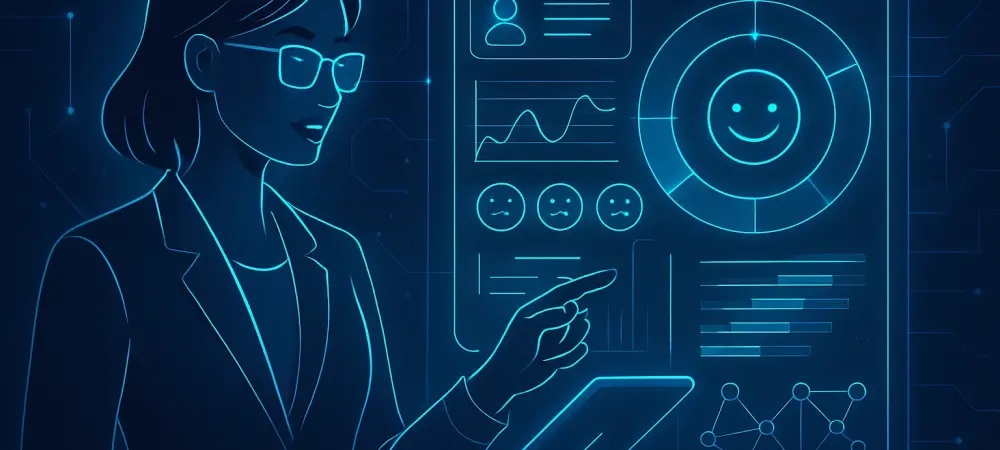
I’m thrilled to sit down with Ling-Yi Tsai, a trailblazer in HR technology with decades of experience helping organizations navigate change through innovative solutions. Specializing in HR analytics and the seamless integration of tech into recruitment, onboarding, and talent management, Ling-Yi has a unique perspective on the emerging field of emotional analytics. In our conversation, we dive into how understanding employee emotions can transform workplace dynamics, the cutting-edge tools driving this shift, the ethical challenges involved, and the future of HR practices in creating more human-centered environments.
How would you describe emotional analytics in the context of HR technology, and what makes it a game-changer for organizations?
Emotional analytics in HR tech is about using data and technology to understand how employees feel—capturing moods, stress levels, motivation, and team morale in real time. Unlike traditional metrics that focus on output like turnover or performance scores, this approach digs into the human side of work. It’s a game-changer because it fills a critical gap; it helps leaders see beyond numbers to the emotional drivers of engagement and retention. By leveraging tools like AI and sentiment analysis, companies can make proactive decisions, addressing issues like burnout before they spiral, ultimately creating workplaces that are not just productive but also supportive.
Why do you believe understanding employee emotions is becoming so crucial for businesses in today’s environment?
Today’s workplace is more dynamic and employee-centric than ever. People expect more than a paycheck—they want to feel valued and supported. Emotions directly impact productivity, creativity, and loyalty. If employees are disengaged or stressed, even the best strategies can fail. Studies show that companies with high engagement see better profits and customer satisfaction, proving that emotional well-being isn’t a soft issue; it’s a strategic one. With the rise of remote work and rapid change, businesses can’t afford blind spots around morale or motivation. Understanding emotions helps leaders stay ahead of potential issues and build resilient teams.
Can you explain how employee mood influences daily productivity and the broader workplace culture?
Mood is like the daily pulse of an employee’s experience—it fluctuates based on workload, team interactions, or personal factors. A positive mood can boost focus and collaboration, making someone more likely to tackle challenges effectively. Conversely, a negative mood can slow decision-making and dampen interactions, creating a ripple effect across teams. Over time, these daily moods shape workplace culture. For example, consistent frustration in a department can erode trust and communication. Tracking mood patterns helps leaders identify triggers and intervene, ensuring small dips don’t turn into long-term cultural issues.
What role does team morale play in fostering collaboration and innovation within a company?
Team morale is the collective energy that drives a group. When morale is high, employees feel safe to share ideas, take risks, and work together toward common goals, which is essential for innovation. High morale builds trust, so people are more likely to brainstorm and experiment without fear of failure. On the flip side, low morale creates silos—people disengage, hoard ideas, or avoid collaboration altogether. I’ve seen companies where low morale stifled creativity, while those prioritizing team spirit often outpace competitors through innovative solutions born from strong teamwork.
How are HR tech tools like sentiment analysis or wearables revolutionizing the way we measure employee emotions?
These tools are transforming emotional analytics from guesswork to data-driven insight. Sentiment analysis, for instance, scans communication platforms like emails or chats to detect tone and mood trends, revealing frustration or positivity in real time—far beyond what quarterly surveys can capture. Wearables, on the other hand, offer objective data by tracking biometrics like heart rate variability to gauge stress levels. Together, they provide a fuller picture of emotional health, allowing HR to spot issues instantly and act before they escalate. It’s about moving from reactive to proactive workforce management.
What are some ethical challenges that come with implementing emotional analytics in the workplace?
The biggest ethical challenges revolve around privacy, consent, and the potential for misuse. Employees might feel violated if they’re unaware their emotions are being tracked through emails or wearables. There’s also the risk of creating a surveillance culture where people feel watched rather than supported. Another concern is manipulation—using emotional data to push productivity without addressing root causes like stress. If not handled transparently, these practices can destroy trust. Companies must prioritize clear communication and consent to ensure these tools empower rather than exploit.
How can organizations balance the use of emotional analytics with respecting employee privacy?
Balance starts with transparency and choice. Organizations should openly communicate what data is collected, why, and how it will be used, ensuring employees can opt in or out without repercussions. Anonymizing data is crucial—aggregate insights rather than individual profiles to protect identities. Additionally, strict data security measures like encryption and limited access are non-negotiable. It’s about using emotional analytics as a tool for support, not control, and always prioritizing employee trust over operational convenience. Policies should reflect this commitment at every step.
In what ways can emotional analytics be applied to improve team dynamics or prevent burnout?
Emotional analytics can act as an early warning system for both team dynamics and burnout. For teams, it can highlight friction or disengagement by analyzing communication patterns—say, if a project group shows increasing negativity in chats, managers can adjust workloads or facilitate dialogue. For burnout, tools like wearables or sentiment tracking can flag stress signals before they peak, prompting interventions like wellness resources or time off. I’ve seen cases where early detection saved key talent from leaving, simply because the company acted on these emotional cues with empathy.
What do you foresee for the future of emotional analytics in shaping HR practices over the next decade?
I believe emotional analytics will become a core pillar of HR strategy in the next decade, much like workforce analytics is today. We’ll see it deeply integrated into daily HR platforms, providing real-time emotional dashboards that guide everything from hiring to retention. New roles, like Employee Experience Data Analysts, will emerge to interpret this data alongside organizational psychologists. The focus will shift toward predictive insights—anticipating emotional trends before they impact performance. If done ethically, it could redefine HR as not just a function of efficiency, but as a champion of empathy and well-being in the workplace.