

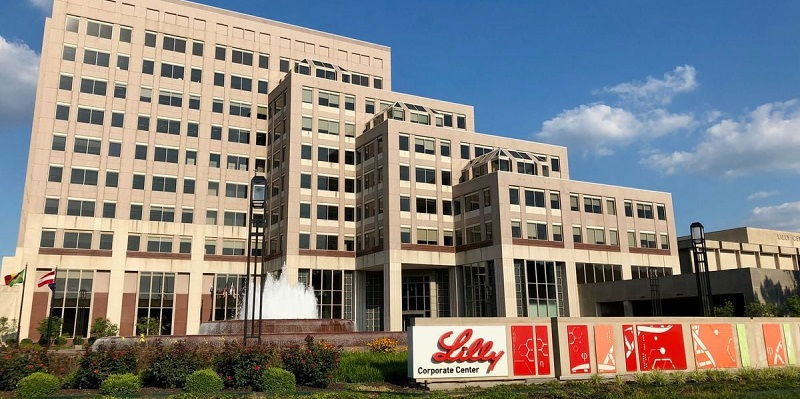
Pharmaceutical manufacturer Eli Lilly has agreed to settle a class action suit that alleged the company’s hiring process for sales representatives discriminated against older job applicants. The settlement, announced in the U.S. District Court for the Southern District of Indiana, comes shortly after the company paid $2.4 million to settle a similar suit filed by the U.S. Equal Employment Opportunity Commission (EEOC). These settlements highlight the growing concern over age discrimination in recruitment and the need for companies to address bias in their hiring practices.
Background
The class action suit was filed in 2021 by plaintiffs who claimed to have applied for sales representative positions at Eli Lilly but were rejected and never hired. The plaintiffs contended that Eli Lilly had biased hiring policies and practices that gave preference to younger employees solely based on their age. According to the plaintiffs’ allegations, these practices resulted in the disproportionate employment of individuals under the age of 40.
The plaintiffs pointed out specific company practices that they believed contributed to the alleged discrimination. One such practice was the use of a recruitment system that required applicants to be affiliated with a university or part of Eli Lilly’s internship program. By limiting the pool of potential candidates to those who had recently graduated or completed an internship, the plaintiffs argued that older job seekers were effectively excluded from consideration.
EEOC Lawsuit
The EEOC’s lawsuit against Eli Lilly made similar claims of age discrimination in the company’s hiring practices. According to the agency, in 2017, a senior VP of HR and diversity at Eli Lilly stated that the company had set a goal of having early career candidates comprise 40% of its new hires. This statement was seen as evidence of a preference for younger employees and raised concerns about potential age discrimination.
In response to the EEOC’s allegations, Eli Lilly denied the accusations and did not admit any liability as part of the settlement. While the company maintained that its hiring practices were fair, the payment of $2.4 million suggests a recognition of the need to address the issue and prevent future instances of age discrimination.
Prevalence of Age Bias in Hiring
The Eli Lilly cases reflect a broader concern about age bias in recruiting circles. A study conducted by Resume Builder in 2022 found that more than one-third of hiring managers admitted to viewing candidates’ resumes with age bias in mind. This bias can lead to the exclusion of older job seekers based on assumptions about their skills, adaptability, and potential longevity in the company.
Impact of age bias on job seekers
Age bias can have a significant impact on professionals over the age of 40 who are seeking employment. A survey conducted by WerkLabs in 2021 revealed that 75% of individuals in this age group who experienced age bias reported encountering it during the job search process. This discrimination not only creates barriers to securing employment but also affects individuals’ confidence and perception of their own worth in the job market. In comparison, 53% of respondents reported experiencing age bias in the workplace, further underscoring the prevalence of discrimination during the recruitment phase.
EEOC enforcement on age discrimination
Recent EEOC enforcement activities have specifically focused on language within job advertisements and requirements that imply a preference for younger workers. The agency is taking a proactive approach to address age discrimination by emphasizing the importance of fair hiring practices that promote equal opportunities for all job applicants. By targeting these instances of implicit bias, the EEOC aims to foster a more inclusive work environment and reduce barriers for older job seekers.
Eli Lilly’s settlement in the class action suit alleging age discrimination in its hiring practices sheds light on the need for companies to evaluate and rectify potential biases in their recruitment processes. The prevalence of age bias in hiring, as evidenced by research and surveys, is a persistent problem that diminishes opportunities for qualified older professionals.
As organizations strive to build diverse and inclusive workforces, it is crucial to ensure fair and equitable treatment of all job applicants, regardless of age. Companies should review their hiring policies, eliminate any language or requirements that may imply a preference for younger candidates, and encourage a culture of inclusivity. By addressing age bias in hiring, employers can tap into a wealth of skills, experience, and perspectives that older job seekers bring to the table, ultimately benefiting their organizations and fostering a more equitable job market.