

Ling-Yi Tsai has spent over two decades at the leading edge of human resources technology, helping global organizations navigate the high-stakes transition toward automated talent management and advanced HR analytics. As a specialist in the integration of technology across the entire employee lifecycle—from recruitment and onboarding to long-term talent retention—she provides a critical lens on how digital tools can unintentionally clash with federal labor laws. In this discussion, we examine the growing tension between automated productivity monitoring and the legal protections of the Americans with Disabilities Act, specifically focusing on how rigid tracking systems can lead to the unfair penalization of employees with chronic conditions like diabetes. We cover the necessity of reasonable accommodations, the legal precedents set by recent settlements, and the essential steps companies must take to ensure their performance software remains inclusive and compliant with the latest standards.
The recent lawsuit involving Alight Solutions highlights a customer care representative who was tracked by an electronic monitoring system and eventually fired for taking breaks related to his diabetes. How can organizations audit their automated tracking software to ensure it doesn’t inadvertently trigger disciplinary actions for medically necessary downtime?
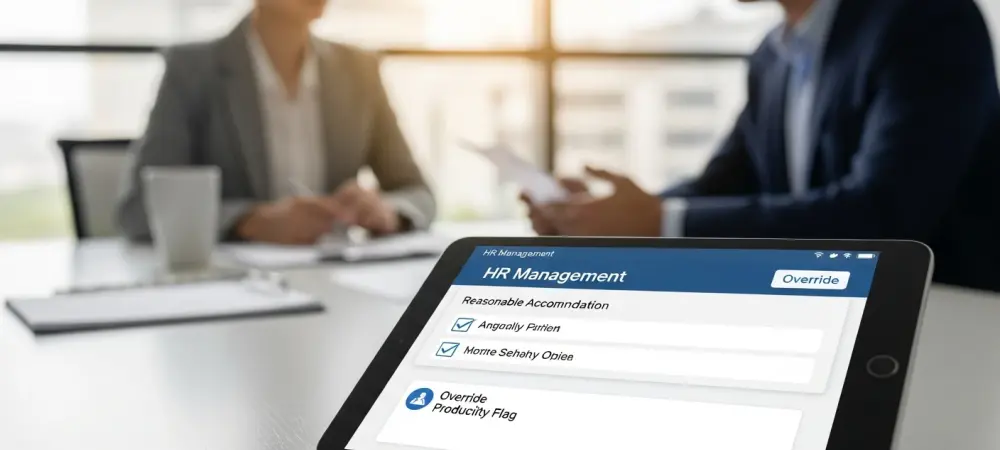
Organizations must move away from the “set it and forget it” mentality when deploying productivity software, as these systems are often blind to the nuances of human health. To avoid the legal pitfalls seen in the May 29, 2026, lawsuit, HR departments should implement a regular audit of their “activity flags” to see if they disproportionately target employees who have already disclosed a disability. In that specific case, the worker even offered to extend his work hours to make up for the time spent monitoring his blood sugar, yet the software’s rigid logic led to his termination anyway. A successful audit involves testing the system against various “reasonable accommodation” scenarios to ensure that manual overrides are possible and that the data being collected is reviewed by a human before any adverse personnel action is taken. By creating a feedback loop between the automated system and the HR compliance team, companies can prevent their technology from becoming a liability that ignores the core protections of the ADA.
In December 2023, UPS paid a $150,000 settlement after an HR supervisor reportedly labeled an employee with brittle diabetes a “liability” and fired him on only his second day. What does this reveal about the cultural barriers that still exist in HR departments, and how can tech tools be used to combat these biases rather than reinforce them?
The UPS case is a stark reminder that even with sophisticated HR systems, deep-seated biases regarding chronic illness can lead to incredibly costly mistakes. When a supervisor dismisses an employee on their second day of work without attempting to accommodate their needs, it signals a failure in both leadership training and the organization’s disability management protocols. HR technology should be configured to act as a guardrail in these situations; for instance, a system could be programmed to require a mandatory compliance review whenever a termination is initiated for an employee in their probationary period who has requested accommodations. Instead of letting a single manager’s perception of “liability” dictate a worker’s future, the tech should prompt a dialogue about necessary tools like snack breaks or glucose monitoring. Overcoming these cultural barriers requires a shift where management sees accommodations not as a burden to efficiency, but as a standard component of a modern, diverse workplace.
The Job Accommodation Network suggests that workers with diabetes might need anything from medication storage to the ability to use service dogs, as seen in the ongoing litigation involving SHRM. How should companies prepare their physical and digital infrastructure to support such a wide variety of specific medical needs?
Preparing for a truly inclusive office means looking far beyond just “extra break time” and considering the holistic needs of the employee, which can include storage for insulin or even the presence of a service animal. In the case involving SHRM, a candidate with Type 1 diabetes alleged her job offer was rescinded simply because she needed a dog trained to detect dangerous changes in her blood glucose levels. To prepare for these needs, companies should proactively designate private, refrigerated spaces for medical supplies and ensure their office layouts can accommodate service animals without unnecessary friction. Digital infrastructure also plays a role; for example, if an employee has a sensor that alerts them to a blood sugar drop, that person’s workstation and monitoring software must be integrated in a way that recognizes these alerts as valid reasons for a sudden pause in work. A construction supply company learned this the hard way in March 2025 when they settled for $150,000 after denying a worker simple snack breaks, proving that even the smallest physical need can have massive legal consequences if ignored.
The U.S. Equal Employment Opportunity Commission has stated that technological advances like automated monitoring do not exempt employers from ADA requirements. What is your forecast for how the intersection of AI-driven productivity and disability rights will evolve over the next few years?
I believe we are entering an era of “algorithmic accountability” where the EEOC will move from reactive lawsuits to proactive mandates requiring companies to prove their software is disability-neutral. As we move deeper into the 2020s, I forecast that federal regulators will begin to scrutinize the code behind productivity algorithms to ensure they don’t have a disparate impact on those with Type 1, Type 2, or gestational diabetes. We will likely see a new standard of “compliance by design,” where software vendors are held responsible for building features that allow for medical pauses and unpredictable health episodes without skewing an employee’s performance score. For employers, the advice is clear: do not let your desire for high-speed data collection outpace your commitment to the ADA, because a machine’s report will never be a valid defense for violating a worker’s civil rights. Organizations that prioritize human-centric tech today will be the ones that avoid the headline-grabbing settlements and retain the best talent in the future.