

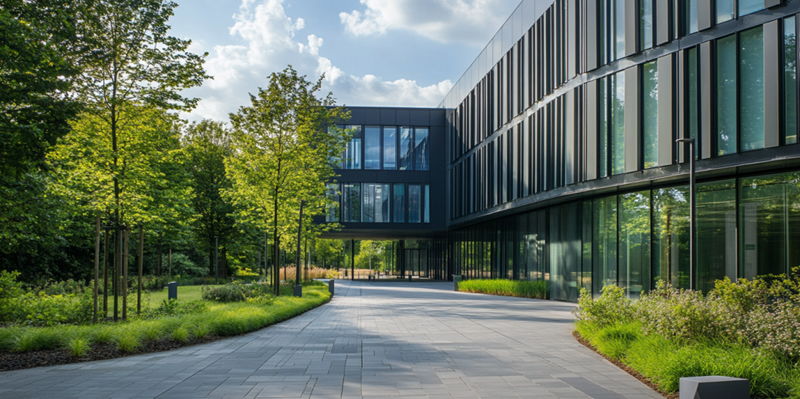
The aftermath of the COVID-19 pandemic has forever altered the landscape of the workplace. As companies struggle to bring employees back to the office, the concept of office campuses has gained traction. Office campuses, especially those managed by British Land in central London, offer a comprehensive solution to attract and retain top talent. This article delves into how these modern office environments have become key players in shaping the future of work, emphasizing employee well-being, operational efficiency, and community building.
The Role of Employee Well-being in Talent Retention
Shifting Priorities in Workspace Design
The importance of employee well-being has surged to the forefront of corporate strategies post-pandemic. Health and safety are paramount, with companies prioritizing environments that are not only safe but also stimulating and conducive to productivity. This shift has resulted in the creation of workspaces that go beyond the functionality of traditional offices. The focus is now on holistic environments that cater to physical, mental, and emotional health.
Key features include ample natural light, green spaces, ergonomic furniture, and wellness programs. By integrating these elements, companies aim to create office spaces where employees feel valued and motivated to return. The shift in priorities is a direct response to the needs and desires of a workforce that has experienced the flexibility and comfort of working from home. Companies recognize that to bring employees back, the workspace must offer something that a home office cannot—an environment that promotes overall well-being and fosters a sense of community.
Health and Safety Measures
Enhanced health and safety protocols have become non-negotiable in the modern office setup. Companies are implementing measures such as improved ventilation systems, regular sanitation, and touchless technology to minimize health risks. Office campuses are designed with these considerations in mind, ensuring that employees feel secure. These protocols are not just about avoiding illness; they are also about creating a trusted environment where employees feel safe and comfortable, which is crucial for retaining talent.
Moreover, promoting a culture of health and well-being through on-site fitness centers, mental health support services, and nutritious dining options has become a part of the ethos of office campuses. These amenities contribute significantly to the holistic approach toward employee well-being. When employees see that their company is investing in their health and safety, it builds loyalty and reduces turnover. It’s no longer just about having a safety protocol; it’s about embedding well-being into the fabric of the workplace culture.
Strategic Location and Rich Amenities
Accessibility and Convenience
One of the standout benefits of office campuses is their strategic positioning. Located near major transport hubs, these campuses provide employees with easy access to their workplaces. This convenience significantly reduces the stress associated with commuting, making the prospect of coming into the office more appealing. Easy access to public transportation, bike paths, and ample parking options also contribute to making the daily journey to work less burdensome.
The campuses are designed to be vibrant communities where work and leisure seamlessly blend. On-site amenities such as restaurants, bars, shops, gyms, and recreational areas add to the allure, offering employees a balanced work-life experience. This setup ensures that employees can take care of personal errands during the day, enjoy leisure activities after work, and even socialize with colleagues in a relaxed setting. The convenience and accessibility of these amenities play a critical role in making office campuses attractive to top talent.
Creating a Holistic Work Environment
An office campus is more than just a place to work; it is an ecosystem that supports various aspects of employees’ lives. By offering a range of amenities within walking distance, campuses mitigate the need for employees to travel far for essentials, thus saving time and increasing job satisfaction. The ability to complete tasks like banking, shopping, or exercising without leaving the campus adds to the convenience and underscores the holistic design of these workspaces.
Moreover, the presence of green spaces and communal areas fosters relaxation and social interaction, further enhancing the work environment. These green spaces provide a respite from the usual office environment and serve as a place for relaxation and informal meetings. Communal areas like rooftop gardens, lounges, and outdoor seating allow employees to take breaks and interact with colleagues in a more casual setting. These elements collectively contribute to an attractive setting that encourages employees to stay longer with their employers, thereby boosting talent retention.
Operational Efficiency and Sustainability
Cost-effective and Environmentally Friendly Practices
Sustainability has become a cornerstone of modern business operations. Office campuses managed by companies like British Land are built to high environmental standards. They incorporate features such as energy-efficient buildings, waste reduction programs, and resource-sharing initiatives. These practices not only align with corporate social responsibility goals but also appeal to employees who value environmental stewardship.
By adopting such practices, businesses not only reduce their ecological footprint but also benefit from cost savings. Shared resources and consolidated deliveries are examples of how operational efficiency is achieved, making these campuses appealing from both an economic and environmental standpoint. The economic benefits of reduced energy consumption and waste are significant, and these savings can be reinvested into other areas of the business, such as employee development programs or enhanced workplace amenities.
Innovation in Design and Functionality
The design of office campuses emphasizes flexibility and scalability. This approach is critical in accommodating the diverse and evolving needs of businesses. Spaces can be adapted as companies grow or change, allowing for seamless transitions without major disruptions. Flexibility in design means that spaces can be repurposed quickly, whether it’s converting an open area into additional office space or redesigning a meeting room for a new purpose.
Services like Storey Club, which offers on-demand meeting rooms and coworking spaces, exemplify the innovative solutions provided within office campuses. These services ensure that space is used efficiently, reducing unnecessary overhead and enhancing operational effectiveness. Companies can book meeting rooms when needed, eliminating the cost of maintaining underutilized space. This kind of efficiency is particularly valuable in a volatile business environment where needs can change rapidly.
Flexibility and Scalability in Workspaces
Adapting to Business Needs
In today’s fast-paced business environment, flexibility is a competitive advantage. Office campuses are designed to offer scalable solutions that accommodate the dynamic needs of modern businesses. Whether a company is a startup or a large corporation, it can find a suitable space that can be scaled up or down as required. This adaptability allows businesses to remain agile and responsive to market conditions, which is especially crucial in times of economic uncertainty.
This flexibility is particularly beneficial for growing businesses that may need to expand rapidly. The ability to adjust space usage without significant financial implications makes office campuses an attractive option for many organizations. Startups, for instance, can begin with a smaller space and expand as their team grows, all without the need for a costly and time-consuming move. Established companies can also benefit by downsizing during lean periods and expanding again when conditions improve, ensuring they maintain operational efficiency at all times.
Temporary and Permanent Workspace Solutions
The variety of workspace solutions available within office campuses is another key factor contributing to their appeal. From temporary hot-desking options to permanent office spaces, companies can choose arrangements that best suit their operational requirements. This range of options allows for greater agility and responsiveness to market changes. The ability to switch between different types of workspaces as needed helps companies manage costs and optimize their use of space.
Moreover, the availability of various types of meeting and event spaces facilitates collaboration and innovation, ensuring that teams have the right environment to thrive. Meeting spaces equipped with the latest technology make it easy to host clients, conduct training sessions, or hold team-building activities, all within the same campus. This versatility not only helps in maximizing the utility of the space but also fosters a culture of collaboration and continuous improvement.
Community Building and Collaboration
Fostering a Sense of Community
The COVID-19 pandemic has significantly reshaped the workplace, leaving a lasting impact on how businesses operate. In response, companies are grappling with the challenge of bringing employees back to physical offices. One emerging solution is the concept of office campuses, which are gaining popularity. These campuses, particularly those managed by British Land in central London, present an all-encompassing approach to attract and retain top-tier talent.
This strategy is grounded in creating a modern office environment that addresses several key aspects crucial for the future of work. Firstly, there is a strong focus on employee well-being, recognizing that a supportive and comfortable work environment can significantly enhance productivity and job satisfaction. Secondly, operational efficiency is prioritized, ensuring that these campuses are not only aesthetically pleasing but also functional and conducive to efficient workflows. Lastly, community building is a core component, fostering a sense of belonging and collaboration among employees.
These office campuses integrate amenities such as gyms, green spaces, and social areas, making the workspace more than just a place to work. By promoting a balanced lifestyle and providing opportunities for social interaction, these modern offices aim to create a more engaging and fulfilling work experience.
In essence, office campuses are setting the stage for the future of work by offering a holistic environment that marries well-being, efficiency, and community. Companies that invest in such environments are likely to find it easier to attract and retain talent, ultimately leading to a more motivated and productive workforce.