

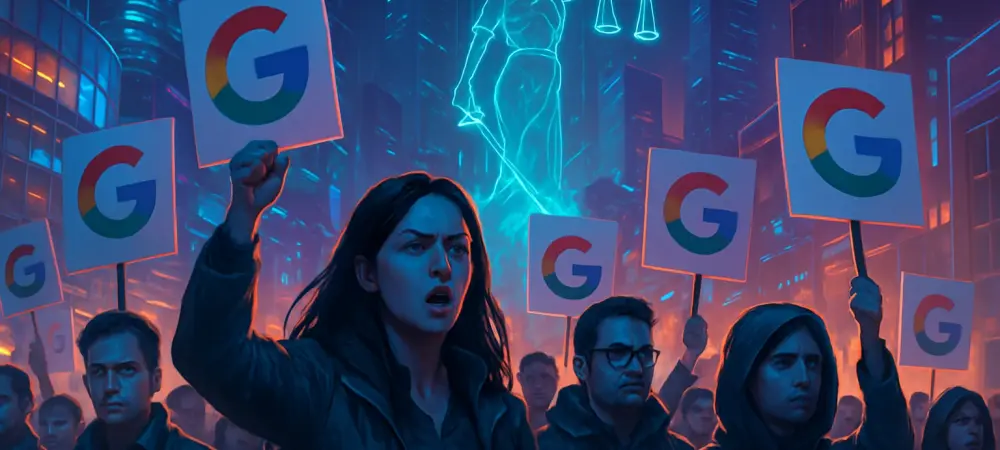
Imagine a scenario where voicing ethical concerns at work could cost you your job—yet a court ruling might protect your right to speak out, especially in the tech industry where this tension is playing out on a grand stage as former Google employees challenge their terminations over protests against a controversial military contract. This roundup dives into diverse perspectives from legal experts, industry analysts, and labor rights advocates to explore whether this high-profile lawsuit could reshape the boundaries of employee protest rights. The purpose is to gather a spectrum of insights on the legal, ethical, and corporate implications of this case, offering a comprehensive look at what it means for workplace activism today.
Unpacking the Legal Battle and Industry Implications
Federal Court’s Stance on Title VII Protections
A significant aspect of this case hinges on a federal court ruling allowing Title VII retaliation claims to proceed against Google. Legal analysts note that the decision to deny the company’s motion to dismiss emphasizes the need for a deeper examination of whether employee protests qualify as protected speech under the 1964 Civil Rights Act. This ruling suggests a potential shift in how courts view workplace activism tied to discrimination concerns, especially in politically charged contexts.
Many in the legal community see this as a cautious but pivotal step. The debate centers on Google’s argument that terminations were based on policy violations versus the plaintiffs’ claim that their dissent targeted internal discrimination. Observers suggest that if the court ultimately sides with the employees, it could embolden workers across industries to challenge retaliatory actions when speaking out on ethical or discriminatory issues.
This perspective isn’t universally accepted, however. Some corporate law experts caution that broadening Title VII protections for disruptive protests might complicate employers’ ability to maintain order. They argue that without clear boundaries, companies could face operational challenges, raising questions about where the line should be drawn between protected activity and workplace disruption.
Navigating State Law Challenges and Jurisdictional Issues
State law claims in this lawsuit have encountered hurdles, with certain allegations under San Francisco and New York laws being dismissed due to jurisdictional mismatches. Legal strategists highlight that these dismissals underscore the complexities of multi-jurisdictional lawsuits, particularly when plaintiffs are spread across different regions. The preemption by California’s Fair Employment and Housing Act serves as a reminder of the need for precise legal alignment.
Insights from employment law specialists reveal a split in opinion on the strategic impact. Some believe these dismissals narrow the plaintiffs’ avenues for redress, potentially weakening their overall case by limiting applicable protections. They advise future litigants to carefully tailor claims to avoid similar procedural setbacks, emphasizing the importance of geographic relevance in legal filings.
Conversely, other analysts argue that the court’s allowance for amendments—such as adding New York-based plaintiffs—shows flexibility in the system. They suggest this could encourage broader participation in such lawsuits, setting a precedent for how geographically diverse cases are handled. This duality in views reflects the intricate balance between legal strategy and procedural fairness in employee rights disputes.
Labor Rights and Emerging Legal Norms
Beyond Title VII, a parallel charge with the National Labor Relations Board (NLRB) tied to this case has caught the attention of labor rights advocates. Many point out that an NLRB ruling in favor of the plaintiffs could expand protections for concerted employee activism, potentially redefining how collective dissent is treated under labor laws. This dimension adds a layer of complexity to the already intricate legal battle.
Industry watchers note a growing trend of employee pushback against tech firms’ military contracts, viewing this case as a possible catalyst for new legal norms. Some labor experts predict that a favorable outcome for the employees might challenge the assumption that corporate policies can override dissent, pushing companies to rethink their approach to internal activism over the coming years.
A contrasting opinion emerges from corporate governance consultants who warn against overextending labor protections. They argue that unchecked activism could disrupt business operations, advocating for a balanced framework where employee voice is respected without undermining employer authority. This tension highlights the evolving nature of labor rights in response to modern workplace conflicts.
Tech Industry Conflicts Over Geopolitical Ethics
The tech sector’s recurring clashes over geopolitical ethics provide a broader backdrop to this lawsuit. Analysts draw parallels with other cases, such as disputes at Intel and Meta involving employee expression on the Israel-Hamas conflict, noting a pattern of legal scrutiny over how companies handle politically sensitive issues. This trend suggests an industry at a crossroads between ethical considerations and business priorities.
Some technology ethicists argue that sustained employee activism could pressure firms to reconsider controversial contracts or enhance diversity policies. They believe cases like this one spotlight the need for transparent dialogue within organizations, potentially leading to more inclusive decision-making processes that account for employee concerns on global issues.
On the other hand, business consultants caution that such activism might deter tech giants from engaging in certain contracts altogether, impacting innovation or revenue streams. They stress the importance of balancing ethical stances with operational realities, suggesting that companies may need robust internal frameworks to address dissent before it escalates to legal challenges. These differing views underscore the complex interplay of ethics and economics in tech.
Key Takeaways for Workplace Activism and Rights
Legal and labor insights converge on the potential of this case to strengthen employee protest rights through federal Title VII validations, though state law dismissals serve as a reminder of strategic pitfalls. Many experts agree that the ruling to allow federal claims to proceed could inspire workers to assert their voices, particularly in industries with high ethical stakes like technology. This development is seen as a possible win for activism, albeit with caveats about legal precision.
For employees, the advice is clear: understanding labor laws and company policies on activism is crucial before engaging in protests. Advocates recommend documenting interactions and seeking legal counsel to navigate potential retaliation, ensuring that actions align with protected activities under federal or state frameworks. This proactive approach can mitigate risks while amplifying impact.
Employers, meanwhile, are urged to establish transparent guidelines on workplace expression and dissent. Industry leaders suggest fostering open dialogue to address ethical concerns internally, reducing the likelihood of disputes escalating to litigation. By prioritizing communication and clarity, companies can create environments where activism and operational needs coexist more harmoniously.
Reflecting on the Lasting Impact of This Legal Challenge
Looking back, the discourse surrounding this lawsuit revealed a critical tension between employee rights and corporate control, with varied perspectives shaping a nuanced understanding of workplace activism. Legal experts, labor advocates, and industry analysts provided a rich tapestry of opinions, from optimism about expanded protections to caution over operational disruptions.
As a next step, stakeholders should monitor how this case unfolds over the next few years, particularly from 2025 onward, to gauge its influence on policy and culture in tech and beyond. Employees and employers alike can benefit from engaging with labor law resources or participating in forums that address ethical dilemmas in corporate settings. Ultimately, fostering constructive dialogue remains key to navigating the evolving landscape of protest rights, ensuring that both voice and responsibility find their place in modern workplaces.