

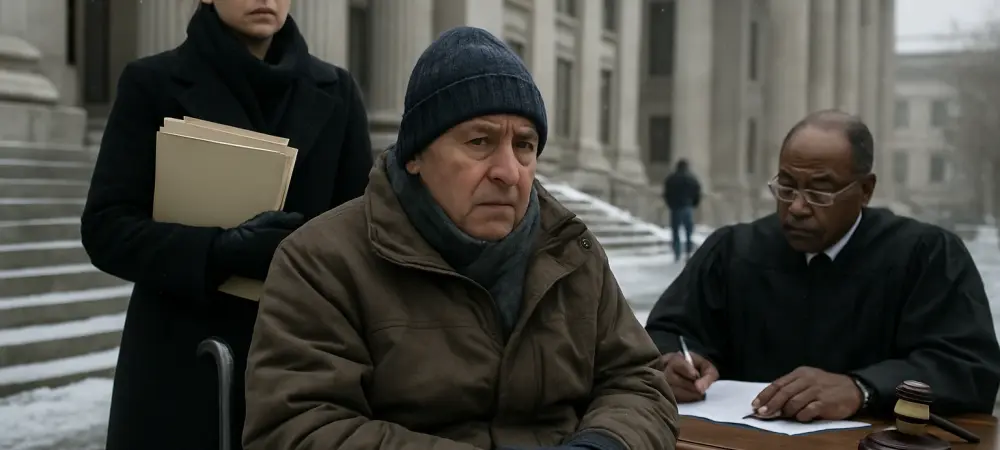
Imagine a dedicated police officer, unable to perform frontline duties due to a nerve condition worsened by frigid temperatures, facing not just physical pain but also workplace retaliation for seeking support. This scenario underscores a growing legal battleground: disability claims tied to cold weather. As workplaces across various sectors grapple with accommodating health conditions in harsh environmental conditions, legal outcomes are shaping how employers and employees navigate these challenges. This roundup dives into diverse perspectives, opinions, and tips from legal experts, employment advocates, and industry observers to explore whether such claims can secure significant victories in court, unpacking lessons for all stakeholders involved.
Unpacking the Legal and Workplace Challenges
The Unique Struggles of Cold Weather Disabilities
Disabilities exacerbated by cold weather present distinct hurdles, particularly for employees in physically demanding or outdoor roles. Legal commentators highlight that conditions like neuralgia or arthritis can severely limit an individual’s ability to perform tasks in low temperatures, often necessitating reassignments or modified duties. A common observation among workplace equity advocates is that these cases test the boundaries of how far employers must go to accommodate without disrupting operational needs, especially in high-stress fields like law enforcement.
Many industry voices point out that the emotional toll of navigating such disabilities in unsupportive environments can be profound. Employees often report feeling marginalized when their health needs clash with workplace expectations, leading to stress-related absences or conflicts with management. This tension frequently becomes the catalyst for legal action, as affected individuals seek redress for perceived unfair treatment or lack of reasonable adjustments in challenging climates.
Rising Relevance in Employment Law
Employment law analysts note a surge in tribunal cases involving environmental factors like cold weather as a contributing factor to disability claims. A recurring theme in legal circles is that these disputes are becoming more prominent as awareness grows about workplace inclusivity across diverse conditions. Some argue that courts are increasingly willing to scrutinize employer conduct, particularly when procedural fairness appears compromised in handling health-related accommodations.
In contrast, certain business consultants caution that not all claims succeed on the grounds of discrimination alone, emphasizing that proving retaliation or victimization often carries more weight in court. This divergence in opinion underscores a critical need for clarity in legal standards, as organizations in sectors exposed to harsh weather must balance employee well-being with operational demands. The complexity of these cases continues to fuel debate on how much environmental impact should influence disability accommodations.
Case Insights and Legal Perspectives
A Landmark Tribunal Outcome: Victimization Over Discrimination
One widely discussed case involves a police constable whose nerve condition, aggravated by cold temperatures, led to a substantial financial award of over $40,000 for victimization. Legal experts analyzing the tribunal findings point out that the case hinged on a poorly conducted return-to-work meeting, described by many as an unfair confrontation lacking proper protocol. This outcome has sparked agreement among employment lawyers that managerial overreach or retaliatory behavior can significantly strengthen a claimant’s position in court.
However, opinions differ on the broader implications of the ruling. Some legal scholars argue that while the victimization claim succeeded, the failure of direct disability discrimination allegations reveals a high bar for proving bias solely based on health conditions. Others counter that this distinction serves as a reminder to employers to prioritize anti-retaliation training, ensuring that seeking support through unions or federations does not lead to adverse treatment, particularly in weather-sensitive roles.
A third perspective from workplace mediators suggests that such cases highlight the importance of documented communication between staff and supervisors. Without clear records of health needs and agreed-upon adjustments, misunderstandings can escalate into legal disputes, as seen in this officer’s prolonged struggle with management over environmental accommodations. This variety of viewpoints illustrates the nuanced nature of these legal battles.
Reasonable Adjustments Under Scrutiny
When it comes to workplace accommodations for cold weather-related disabilities, opinions vary on what constitutes a reasonable effort. Employment consultants often cite the need for tailored solutions, such as reassigning employees to indoor roles or providing protective gear, but stress that implementation can falter under operational pressures. In the constable’s case, the lack of a formalized system to track disability needs across management changes is frequently mentioned as a critical gap.
Some HR specialists advocate for standardized tools, like a disability passport, to ensure continuity of accommodations regardless of personnel shifts. They argue that such measures could prevent disputes by clarifying expectations upfront, reducing the risk of employees feeling neglected or targeted. Yet, skeptics within corporate circles question whether high-pressure environments can realistically adopt such detailed frameworks without compromising efficiency, pointing to a persistent clash between policy and practice.
Legal advisors add that inadequate adjustments often lead to measurable consequences, such as extended absences or emotional distress, which courts take seriously when assessing liability. The consensus among many is that employers must proactively address environmental barriers, or risk facing significant penalties if employees suffer harm due to negligence. This ongoing debate reflects the complexity of balancing health and workplace demands.
Shifting Standards in Employment Law
Emerging trends in employment law show tribunals placing greater emphasis on managerial behavior in disability cases linked to environmental factors. Legal analysts observe that courts are less tolerant of procedural missteps, especially when they exacerbate an employee’s condition or morale. This shift is seen as a push toward stricter accountability for organizations, urging them to refine how they handle health accommodations in adverse conditions.
Regional differences in legal interpretations also draw attention, with some experts noting that colder climates may see more lenient views on weather-related claims due to the undeniable impact of temperature on certain disabilities. Conversely, others argue that standardized national policies are needed to prevent disparities, suggesting that future frameworks might prioritize consistency over localized discretion. This split in thought reveals an evolving landscape where legal expectations are still taking shape.
A final viewpoint from industry leaders challenges the notion that high-stress professions can bypass inclusivity mandates. They contend that even in roles like policing, non-frontline positions deserve equal consideration for accommodations, pushing for a cultural reevaluation of how all job functions are supported. These discussions signal a broader movement toward redefining workplace norms in challenging environments.
Emotional and Financial Impacts of Disputes
The personal toll of cold weather disability claims often resonates deeply in expert analyses. Commentators frequently reference substantial tribunal awards, such as compensation for lost wages and emotional harm, to illustrate the stakes involved. Many employee advocates emphasize that these financial remedies, while significant, cannot fully address the psychological strain of feeling unsupported or retaliated against in the workplace.
Comparing outcomes across various tribunal cases, legal observers note a wide range in compensation scales, often tied to the severity of emotional distress proven in court. Some argue that these awards reflect a growing judicial recognition of mental health impacts in employment disputes, while others caution that inconsistent rulings can create uncertainty for claimants seeking justice. This disparity fuels calls for clearer guidelines on quantifying non-tangible harms.
Employment counselors often highlight the ripple effect of such cases on workplace morale, suggesting that visible legal victories can embolden other employees to advocate for their rights. They advise organizations to view these disputes as opportunities to improve internal policies rather than mere liabilities, fostering environments where health concerns are addressed proactively. This forward-looking stance contrasts with more defensive corporate perspectives, enriching the dialogue on employer accountability.
Key Takeaways from Legal Verdicts
Legal outcomes in cold weather disability cases offer critical lessons for both employers and employees. Many experts agree that procedural fairness often outweighs direct discrimination claims in court, as seen in rulings where victimization for seeking support led to substantial awards. This insight prompts a shared recommendation for organizations to prioritize transparent processes during health-related discussions, avoiding actions that could be perceived as retaliatory.
For employers, HR professionals suggest actionable steps like implementing clear disability documentation and conducting regular training on anti-retaliation measures. These strategies, they argue, can mitigate risks of legal challenges by fostering trust and clarity in employee interactions. Some also stress the value of open dialogue to address environmental barriers before they escalate into disputes, a point often overlooked in high-pressure settings.
Employees, on the other hand, are encouraged by advocacy groups to meticulously document their health needs and interactions with management, ensuring a robust record if legal action becomes necessary. Tips include seeking union or federation support early and requesting written agreements on accommodations to safeguard against misunderstandings. These practical measures, combined with growing legal awareness, equip individuals to navigate similar challenges with greater confidence.
Looking Ahead: Shaping Inclusive Workplaces
Reflecting on the discussions that unfolded, the exploration of cold weather disability claims revealed a multifaceted issue where legal, emotional, and operational dimensions intersected. The insights gathered from diverse voices painted a picture of evolving standards, where courts played a pivotal role in holding employers accountable for fair treatment. Varied opinions on reasonable adjustments and legal thresholds underscored the complexity of these cases, yet a common thread emerged: the need for proactive communication and policy reform. Moving forward, stakeholders can take tangible steps to build on these lessons by advocating for standardized tools like disability passports and pushing for legislative clarity on environmental accommodations. Employers might consider investing in empathy-driven training for managers, while employees could explore community resources or legal aid to bolster their cases. As workplace inclusivity continues to gain traction, these actions stand as vital pathways to ensure that health challenges in harsh conditions no longer lead to courtroom battles, but rather to collaborative solutions.