

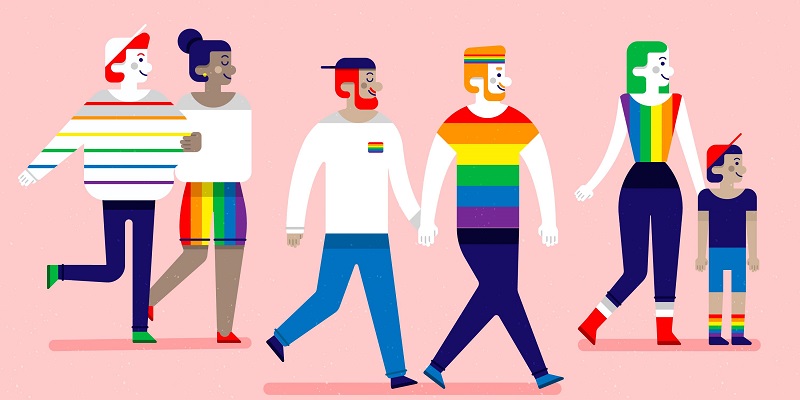
As a society, we have come a long way in terms of accepting and embracing diversity. However, the workplace is still struggling to keep pace with societal changes and attitudes towards diversity and inclusion. One of the biggest challenges that many queer and trans individuals face in the workplace is the need to suppress their identity to fit in or avoid discrimination. This not only hinders their personal growth but is also a business blunder.
Negative impact on job satisfaction and engagement
When people feel they cannot be themselves, it creates a sense of unease and pressure, which drains their motivation and enthusiasm. The strain of suppressing their true selves has a direct impact on job satisfaction and engagement levels. It reduces the feeling of belonging to a team and negatively affects relationships with colleagues. As a result, performance levels may drop, and job burnout may become a common scenario.
Higher Churn Rates of Queer and Trans Employees
It’s natural for people to seek a workplace that is supportive, non-judgmental, and open to everyone, and queer and trans employees are no different. When they fear rejection or face discrimination, they are more likely to leave the organization, resulting in higher churn rates. According to research by the Human Rights Campaign Foundation, 52% of LGBTQ workers in the US have experienced some form of discrimination at work. Of those employees, 20% have switched jobs due to an unwelcoming environment.
There is little probability of change in toxic workplaces
Most employees do not stick around to try to change the culture of a toxic organization. The chances of comprehensive change in a toxic workplace are tiny because it takes a long time and involves challenging the status quo. In toxic workplaces, employees are more inclined to move on and seek a safer and more supportive workplace.
Benefits of Diverse Teams and Inclusion
Embracing diversity and inclusion in the workplace has many advantages. Diverse teams have different perspectives, challenge status quo thinking, and spark brilliant ideas. They breed more creative solutions, and their input allows organizations to serve their diverse customer base more effectively. The result is a better bottom line and improved performance.
Positive Impact of Supporting Queer and Transgender Employees
Organizations that actively support their queer and trans employees tend to have higher engagement, lower staff turnover, and better financial performance. For example, a study by the Williams Institute found that states with policies that protect individuals against discrimination based on sexual orientation and gender identity have companies that generate more significant economic activity and perform better than states without these policies. This study demonstrates a clear correlation between workplace support and better business outcomes.
The Need for HR Policies and Diversity Training
Organizations must cultivate a culture of allyship and support through HR policies that promote diversity and inclusion. These policies should protect LGBTQ employees from discrimination, harassment, and bias. Providing diversity training to employees and leadership helps build allyship, increase awareness, and address bias in the workplace.
Success stories in business
Many companies have successfully implemented diversity and inclusion initiatives and have demonstrated positive outcomes. For example, IBM introduced an LGBTQ-specific diversity program and saw a 300% return on investment over five years. Similarly, Salesforce created an LGBTQ workplace equality scorecard that holds leadership accountable for advancing equality. As a result, the company’s rating on the scorecard has risen from 86% to 100%.
Being honest about one’s identity is crucial not only for individual growth but also for business success. Creating a positive and inclusive workplace environment that supports queer and transgender individuals is a win-win situation for everyone. The psychological safety that accompanies an inclusive workplace will lead to greater personal satisfaction and engagement, as well as better business outcomes. By embracing diversity and inclusion, companies demonstrate an understanding that, at the end of the day, it’s the people who make a company successful. Let’s create a happier and healthier workplace for everyone.