

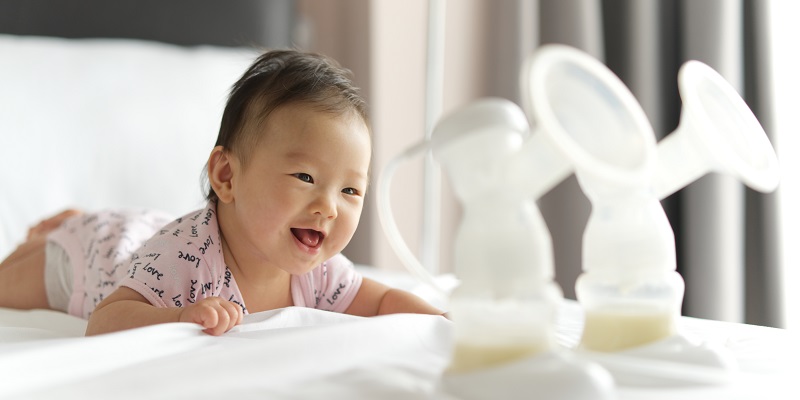
For many working mothers, the thought of returning to work after having a baby can be daunting, particularly when it comes to the practicalities of breastfeeding. However, since 2010, the PUMP (Protecting the Right to Organize) Act has provided some much-needed reassurance for nursing mothers in the US, guaranteeing them the right to express milk while at work. In this article, we’ll take a closer look at the provisions of the PUMP Act, what they mean for working mothers, and how employers can ensure that they are compliant.
The PUMP Act and its provisions for nursing mothers
At its core, the PUMP Act requires employers to provide nursing mothers with breaks and a place to express milk during the workday. While the specifics of the Act vary from state to state (which we’ll explore later), in general, the PUMP Act ensures that nursing mothers are able to take reasonable breaks to express milk for up to one year after giving birth. Employers are also required to provide a private place, other than a bathroom, for nursing mothers to express milk.
In addition, the PUMP Act prohibits employers from discriminating against employees who choose to express milk in the workplace. This means that nursing mothers cannot be fired, demoted, or otherwise penalized for exercising their rights under the Act.
Obligations of Employers to Provide Functional Space for Pumping Milk
While the PUMP Act requires employers to provide a private space for nursing mothers to express milk, it’s important to note that this space must be functional for its intended purpose. This means that the space must be private, shielded from view, free from intrusion, and must include an electrical outlet for an electric breast pump. It’s also essential that the space is not a bathroom, as bathrooms can be unsanitary and inappropriate for milk expression.
Limited Rights under PUMP Act for Workers who are not Exempt from Overtime Pay before April 28, 2023
Before April 28, 2023, the PUMP Act applied only to workers who were not exempt from the right to overtime pay. This meant that many salaried workers were not covered by the Act. However, this is set to change thanks to the Consolidated Appropriations Act, which was signed into law by President Biden on December 27, 2020.
Extension of PUMP Act rights to FLSA-exempt workers
Under the new legislation, workers who are exempt under the Fair Labor Standards Act (FLSA) will be entitled to the same protections as their non-exempt counterparts. This means that all nursing mothers in the workplace are entitled to breaks and a private place to express milk, regardless of their exempt status.
Hourly employees and pay for breaks during milk expression
So, what does this mean for hourly employees? While these employees are entitled to breaks for milk expression under the PUMP Act, they may not necessarily be paid for this time. However, there is an exception to this rule: if an hourly employee is completely relieved of their work duties during their milk expression break, they do not need to be paid for that time.
Salary workers and their entitlement to full salary during milk expression
For salaried workers, the situation is slightly different. Since salaried workers are paid for the work they do rather than for the hours they work, they should receive their full salary even if they take time to express milk during the workday.
Exemption for employers with fewer than 50 employees
While the PUMP Act provides important protections for nursing mothers in the workplace, it’s important to note that there are exceptions to the rule. Specifically, employers with fewer than 50 employees are exempt from the requirements of the Act if compliance would cause them undue hardship. This exception recognizes the fact that small businesses may have fewer resources to comply with the requirements of the Act.
The Prohibition of Retaliation against Nursing Mothers who File a Complaint
Finally, it’s worth noting that the PUMP Act prohibits employers from retaliating against any nursing mother who files a complaint about the Act’s provisions. If an employer retaliates against an employee who has expressed milk in the workplace, they may be liable for damages.
Overall, the PUMP Act provides essential protections for nursing mothers in the workplace, ensuring that they are able to express milk in a safe and private environment. By providing these rights, employers can attract and retain female employees who seek a mom-friendly workplace. Furthermore, extending the Act to cover FLSA-exempt workers ensures that all nursing mothers are entitled to the same protections, regardless of their job title. As we look towards a future that recognizes the importance of work-life balance, the PUMP Act remains a vital piece of legislation for working mothers in the US.