

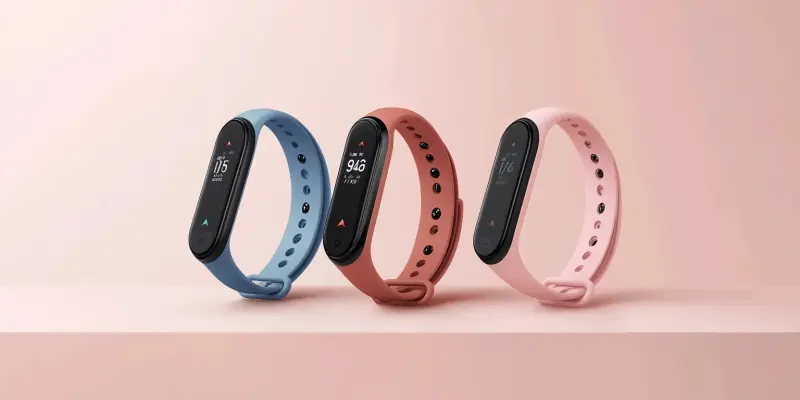
The integration of fitness trackers in the workplace has sparked a debate on whether these devices are beneficial for employee health and productivity or if they intrude on personal privacy. By investing in wellness programs that include fitness trackers, companies aim to improve overall employee health, which can lead to reduced absenteeism, increased productivity, and lower turnover rates. Fitness trackers provide valuable data on various health metrics, such as steps taken, heart rate, and sleep quality. This information can help employees make healthier choices and allow employers to tailor wellness programs to meet the specific needs of their workforce.
Implementing fitness trackers as part of a corporate wellness program can lead to significant healthcare cost savings. Healthier employees are less likely to require medical treatment, which can reduce health insurance costs for both the company and its employees. By encouraging employees to use fitness trackers and engage in healthy behaviors, companies can take advantage of these incentives and further reduce healthcare costs.
Access to health data through fitness trackers can help employees improve their health, leading to reduced absenteeism and turnover. Healthier employees are more likely to be productive and less likely to miss work due to health issues, both physical and mental. By promoting a culture of health and wellness, companies can create a more positive work environment, which can lead to higher employee satisfaction and retention rates. Employees who feel supported in their health and wellness efforts are more likely to stay with the company long-term.
Despite the numerous benefits, fitness trackers also raise significant privacy concerns. Not all employees are comfortable with the idea of their health data being monitored and stored, even with privacy settings in place. There is a fear that this data could be misused or lead to discrimination based on health information.
Additionally, the pressure to meet fitness goals or participate in wellness challenges can lead to increased stress for some employees. Ensuring robust data security measures and transparent communication about how information will be used and protected can help mitigate these concerns and build trust among employees.
To successfully implement fitness trackers in the workplace, companies must strike a balance between the benefits and the challenges. Ensuring robust data security measures and transparent communication can build trust and encourage participation. By fostering a supportive culture and embedding health and wellness into the company’s values, businesses can create a healthier, more productive workforce.
The integration of fitness trackers in the workplace has ignited a debate about their merits and potential downsides. On one hand, these devices are seen as beneficial for improving employee health and boosting productivity, making them a favored tool in corporate wellness programs. However, there are significant concerns regarding privacy and stress. Employees might feel that their personal lives are being intruded upon if their every move is tracked. This constant monitoring can lead to feelings of stress and anxiety, as workers may feel pressured to meet certain fitness goals to avoid negative repercussions.