

The landscape of talent acquisition in China is undergoing a profound and rapid transformation, driven not by a single new methodology but by the pervasive integration of artificial intelligence into the very core of human resources. This technological evolution has moved beyond theoretical discussions and niche applications to become a consensus trend, fundamentally redefining how companies discover, assess, and onboard new employees. The emergence of so-called “AI recruiters” is no longer a futuristic concept but a present-day reality, supported by a confluence of factors including widespread corporate adoption, assertive government policy, and the firsthand experiences of job seekers navigating this new, data-driven environment. This shift represents a move towards a hiring ecosystem that champions efficiency, objectivity, and a more strategic approach to building a skilled workforce, signaling a permanent change in the dynamics between employers and potential talent across the nation.
The Efficiency and Equity Imperative
The primary motivation behind the widespread integration of artificial intelligence within China’s human resources sector is the dual pursuit of enhanced operational speed and greater impartiality in hiring. For years, traditional recruitment methods have been criticized for their inherent inefficiencies and susceptibility to human bias, where subjective judgments can inadvertently sideline qualified candidates. AI systems directly address these challenges by processing vast quantities of applicant data against consistent, predefined criteria, thereby establishing a more objective and equitable evaluation framework. Experts like Li Qiang from the recruitment portal Zhaopin highlight this advantage, emphasizing that AI provides a multidimensional analysis that assists human decision-makers and reduces the potential for partiality. This data-driven methodology not only significantly accelerates the initial screening process but also equips HR professionals with deeper, more reliable insights, allowing them to focus on strategic assessments of candidates who are a verified strong match.
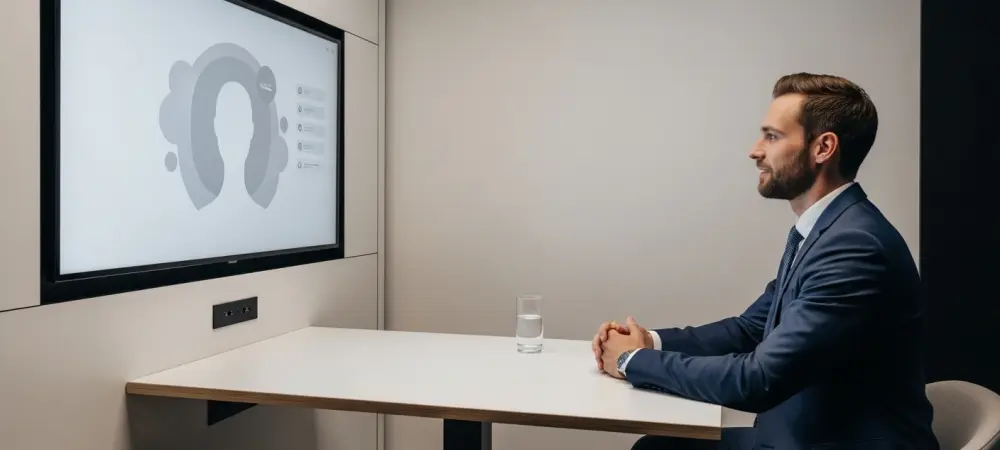
The practical application of this technology is already visible in the market, with sophisticated digital recruiters becoming an increasingly common feature of the hiring process. A prime example is “Guangmou,” a digital human AI recruiter launched by the state-owned China International Intellectech Group. This system is capable of autonomously generating customized interview plans directly from a candidate’s resume and conducting thorough, multi-faceted evaluations. The impact of such tools is being felt directly by applicants. One job seeker recounted an experience with a mock AI interview where, despite not passing, they were impressed by the system’s remarkable speed and precision. The AI was able to instantly identify inconsistencies in their resume and pose a series of challenging, relevant questions. This encounter underscores a critical new reality for candidates: success in the modern job market requires not only professional qualifications but also the ability to effectively communicate one’s skills and experience to a sophisticated algorithm designed for rigorous, impartial analysis.
A Surge in Adoption and Strategic Integration
The embrace of AI-powered tools in recruitment is not a gradual shift but a veritable explosion in adoption, reflecting a market that is rapidly digitizing its core HR functions. A comprehensive report from Nowcoder.com revealed a dramatic trend, with 71.5% of companies having incorporated AI into their recruitment pipelines in 2024, a figure that represents a more than threefold increase from the previous year. This rapid integration is not occurring in a vacuum; it is actively encouraged by robust government support. Chinese authorities, viewing a highly developed human resources industry as a critical pillar for socioeconomic progress, are championing this technological transformation. National bodies like the Ministry of Human Resources and Social Security, along with municipal governments such as Shanghai’s, are rolling out policies designed to foster the development and deployment of intelligent recruiting, talent evaluation, and advanced training products, creating a fertile ground for innovation. Furthermore, the role of artificial intelligence is expanding far beyond the initial stages of recruitment, evolving into a comprehensive “digital HR staff member” that manages a wide spectrum of talent-related tasks. This evolution marks a significant departure from the era of “one-size-fits-all” HR products. Companies are now seeking highly customized hiring solutions, including escrow-style recruitment services and detailed analytical reports that measure and optimize HR efficiency. AI is the enabling technology behind this shift, facilitating the creation of bespoke “talent ecosystems” for employers. These systems not only streamline the hiring process but also provide tailored training programs and continuous performance analysis, reflecting a deeper strategic emphasis on ensuring long-term talent fit and fostering sustainable career development. AI is thus becoming a foundational technology for building more sophisticated, integrated, and effective human capital management strategies across the country.
A New Foundation for Human Capital
The rapid and widespread adoption of AI in China’s recruitment sector ultimately redefined the foundational principles of talent management. What began as a tool for efficiency evolved into an indispensable strategic asset that reshaped how organizations approached the entire employee lifecycle. The technology moved hiring from a transactional process to a data-driven science, enabling companies to build more resilient and adaptive workforces. This shift necessitated a new skill set for both HR professionals, who had to become adept data analysts, and for candidates, who learned to present their qualifications for both human and algorithmic review. The integration of AI created a more equitable and transparent hiring environment where merit and skills were more accurately identified, fostering a stronger alignment between employee capabilities and corporate objectives. In the end, the rise of the AI recruiter was not about replacing human judgment but augmenting it, which established a new, more sophisticated paradigm for cultivating and managing human capital in the modern economy.