

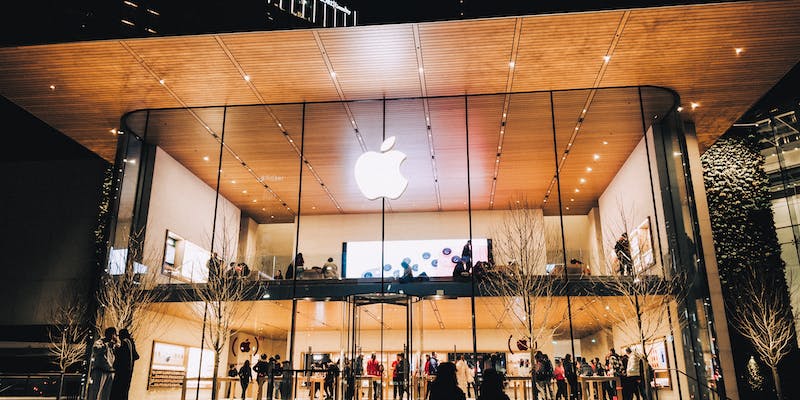
Apple Inc. has reached a settlement with the U.S. Department of Justice (DOJ) regarding allegations of discrimination in its hiring practices. The tech giant has agreed to pay a substantial sum of $25 million in back pay and civil penalties, marking the largest settlement secured by the DOJ under the anti-discrimination provision of the Immigration and Nationality Act.
Explanation of the PERM Program and its Requirements
The Permanent Labor Certification (PERM) program allows employers to sponsor immigrant workers for green cards, enabling them to work and reside permanently in the United States. However, employers who utilize this program must adhere to certain guidelines and are forbidden from discriminating against candidates based on their citizenship or immigration status, as outlined by the DOJ.
Details of Apple’s alleged discriminatory practices
Upon investigation, the DOJ found that Apple had engaged in discriminatory practices that disadvantaged U.S. citizens in hiring positions eligible for the PERM program. It was discovered that the company did not post these PERM job positions on its external job website, effectively excluding a larger pool of potential applicants who were not aware of these opportunities. Furthermore, Apple required candidates to submit their applications through traditional mail, rather than using electronic submission methods available for other positions. These less accessible recruitment practices deterred protected workers from applying to positions that Apple preferred to fill with PERM beneficiaries.
Comparison with the DOJ’s previous action against Facebook
This is not the first time the DOJ has taken action against a major tech company for discriminatory hiring practices. In October 2021, Facebook faced similar allegations of favoring PERM hires over U.S. applicants. As part of its settlement with the DOJ, Facebook agreed to pay a $4.75 million civil penalty to the U.S. and provide compensation of up to $9.5 million to the candidates affected by the alleged discrimination.
Federal Government’s Stance on Discrimination in Green Card Hiring
It is imperative that companies utilizing green card programs to hire applicants do not discriminate against U.S. workers, as clearly stated by the federal government agency. Assistant Attorney General Kristen Clarke of the Justice Department’s Civil Rights Division emphasized that unlawful barriers which impede individuals from seeking employment due to their citizenship status will not be tolerated. This settlement reflects the DOJ’s unwavering commitment to eradicating illegal discriminatory employment practices.
The settlement between Apple Inc. and the U.S. Department of Justice serves as a significant milestone in rectifying allegations of discrimination in the PERM program. By agreeing to pay $25 million in back pay and civil penalties, Apple not only acknowledges its past violations but also demonstrates its dedication to amending discriminatory practices. This resolution aligns with the Civil Rights Division’s mission to eradicate unlawful employment barriers and promote equal opportunities for all individuals, regardless of their citizenship or immigration status. The DOJ’s unwavering commitment to enforcing anti-discrimination laws in employment reiterates the seriousness with which such violations are regarded and sets a precedent for businesses across various industries to prioritize fair and inclusive hiring practices.