

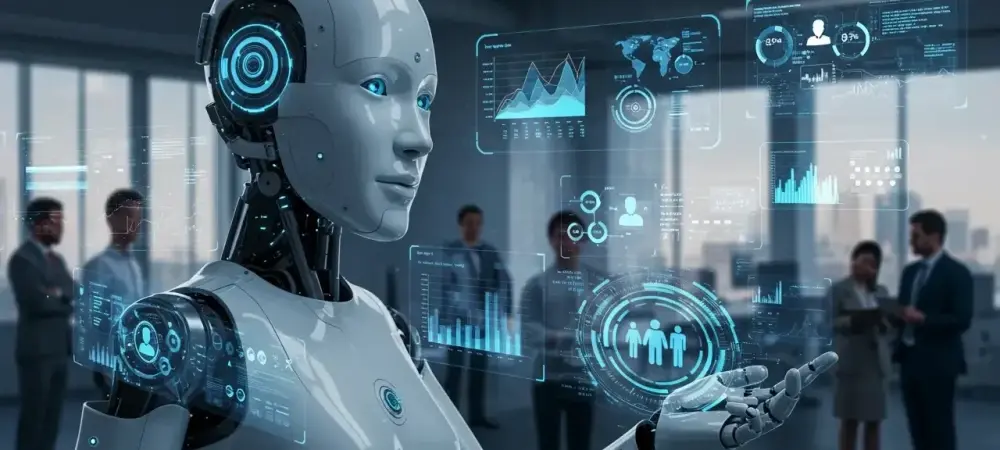
Can artificial intelligence maintain the fine balance between efficiency and empathy in human resources? As businesses around the globe increasingly incorporate AI into their HR frameworks, this question looms large. With AI adoption in HR reaching historic levels, its transformative potential has become a focal point for stakeholders keen on harnessing technology’s efficiency without sacrificing the human aspect.
Why AI in HR Matters Today
The integration of AI into HR functions is pivotal for organizations seeking to streamline their processes while meeting modern workforce expectations. AI technologies have revolutionized how companies recruit, assess, and manage their employees, aligning with trends that demand more personalized and adaptive working environments. The urgency of AI’s role is underscored by growing expectations for real-time responsiveness and personalized employee experiences.
Transformative AI Applications in HR
AI’s impact on recruitment is perhaps the most profound. Automated systems now sift through countless applications with ease, identifying top candidates and reducing time to hire by significant margins. For instance, companies leveraging AI report up to 70% faster hiring processes, thanks to algorithms that assess qualifications with unprecedented accuracy. Yet, when AI ventures into employee termination, complexities abound. The lack of human discernment in AI systems raises red flags, as decisions based solely on data can overlook contextual nuances. A notable case involved an employee being terminated based on attendance metrics alone, overlooking a legitimate family emergency. Such incidents illuminate the inherent risks in leaving human-centric decisions solely to machines.
Meanwhile, AI’s role in employee monitoring continues to stir ethical debates. Technologies that track performance metrics can inadvertently encroach on privacy, leading to concerns over surveillance and its psychological ramifications. The potential for misuse underscores the need for clear ethical guidelines.
Perspectives on AI’s Legal and Ethical Implications
Experts underscore the double-edged nature of AI in HR, cautioning against unchecked biases and legal pitfalls. Bias in AI is particularly insidious; algorithms trained on flawed datasets might perpetuate existing inequities in hiring practices. Legal scholars warn that existing regulatory frameworks are often inadequate to address AI-induced inequities, urging legislative reform to keep pace with technological evolution.
HR leaders who have embarked on AI implementation journeys offer intriguing insights. A leader from a multinational firm described the implementation process as fraught with challenges, notably in calibrating AI systems to distinguish fair evaluation criteria from biased decision-making. Through trial and error, they established oversight mechanisms to ensure AI operates within ethical boundaries, highlighting the importance of ongoing vigilance.
Responsible AI Integration Strategies for HR Leaders
To harness AI responsibly, HR leaders are advised to conduct thorough audits of AI systems, ensuring transparency in algorithms to prevent implicit bias during recruitment. It is vital to embed human oversight in decision-making processes, creating a balanced approach that leverages AI’s capabilities without relinquishing empathy and understanding. Leaders must also refine monitoring practices to align with privacy laws, safeguarding employee rights while achieving efficiency gains.
Designing the Path Forward
While AI has heralded a new era for human resources, the transformation has not been without challenges. Moving forward, organizations must refine their approach, prioritizing ethical considerations and legal compliance. Companies should engage in continuous learning and adaptation, incorporating feedback loops to refine AI applications. As HR landscapes evolve, the responsibility lies in creating collaborative frameworks where AI complements, rather than replaces, the invaluable human touch.