

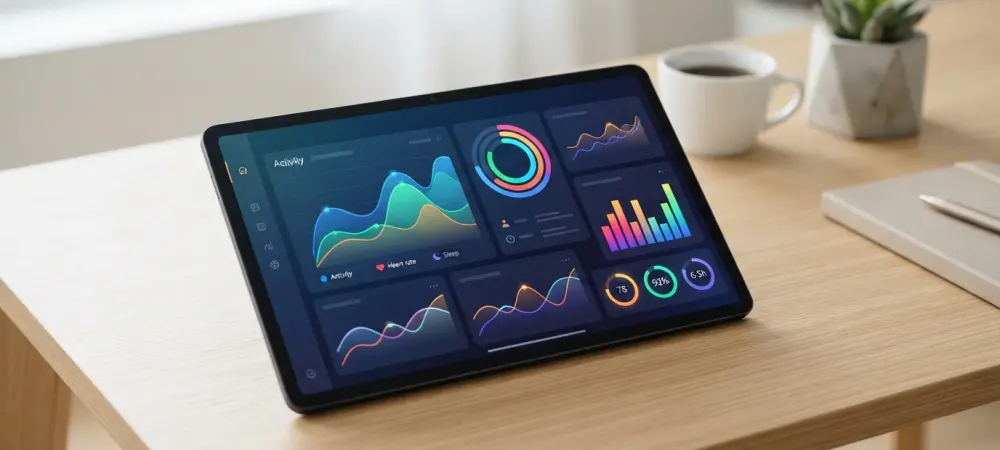
The traditional landscape of corporate perks and healthcare administration is currently undergoing a radical metamorphosis as advanced algorithms transform static benefit manuals into dynamic, responsive ecosystems that cater to individual employee needs. This shift represents more than a mere technical upgrade; it is a fundamental reimagining of the employer-employee relationship through the lens of data-driven empathy and operational precision. As organizations navigate the complexities of rising healthcare costs and a diverse, multi-generational workforce, the role of artificial intelligence has moved from the periphery of experimental pilot programs to the very center of strategic planning. This review examines how these sophisticated systems are being deployed to simplify the user experience while simultaneously optimizing the financial performance of corporate wellness programs.
The current environment demands a level of personalization that traditional human resource structures struggle to provide without massive administrative overhead. Artificial intelligence fills this gap by acting as an invisible concierge, guiding employees through the labyrinthine corridors of insurance jargon, deductible structures, and voluntary benefit options. By synthesizing vast amounts of personal and historical data, these tools are now capable of delivering “just-in-time” support that aligns with an individual’s specific life stage and financial goals. Consequently, the focus of the HR department is shifting away from repetitive inquiry management toward high-level strategy, cultural development, and long-term workforce planning.
Evolution of AI in the Human Resources Landscape
The transition of Human Resources from a clerical back-office function to a strategic driver of corporate culture has been accelerated by the integration of sophisticated machine learning models. Early iterations of HR technology focused primarily on the digitization of records and the automation of basic payroll calculations, providing a rudimentary framework for what has now become a high-performance intelligence layer. Today, the core principles of AI integration center on neural networks capable of synthesizing disparate data points—from healthcare claims to financial market shifts—to create a cohesive support structure for the workforce. This evolution reflects a broader technological shift where software no longer just stores information but actively interprets it to provide predictive insights that were previously unavailable to administrators.
In the broader technological context, this movement is characterized by the departure from administrative automation and a move toward strategic workforce empowerment. Rather than simply replacing human tasks, AI is augmenting human judgment by providing a granular view of employee needs and preferences. This implementation is unique because it bridges the gap between massive datasets and individual human experiences, allowing for a level of micro-customization that was previously impossible. As the technology matured, it moved beyond the “if-this-then-that” logic of traditional software into the realm of probabilistic modeling, which anticipates future needs rather than just reacting to past events.
Core Components of AI-Driven Benefit Systems
Personalized Decision Support and Guidance
At the heart of the modern benefits ecosystem is the AI virtual consultant, a tool designed to mitigate the “choice overload” that often paralyzes employees during enrollment periods. These systems function by analyzing a complex matrix of factors including age, family composition, historical medical utilization, and even personal risk tolerance. By applying predictive modeling, the AI can suggest specific plans that offer the highest value at the lowest total cost of ownership for the individual. This is a significant departure from older recommendation engines, as it utilizes real-time data streams to ensure that suggestions remain relevant as an employee’s life circumstances change.
The effectiveness of this decision support lies in its ability to simulate various financial scenarios for the employee, such as the impact of a chronic diagnosis or an unexpected surgical procedure. This allows workers to move beyond the “lowest premium” trap and understand the total financial implication of their choices. Moreover, the integration of these tools into the daily workflow means that guidance is not restricted to a single week in November but remains available throughout the year. This persistent presence ensures that employees are consistently making the most of their employer-sponsored resources, thereby increasing the overall return on investment for the organization.
Natural Language Processing for Benefits Communication
Natural language processing (NLP) has become the primary interface through which employees interact with their benefits, effectively acting as a translator for complex insurance terminology. Large language models are now sophisticated enough to interpret nuanced queries—ranging from “what is my remaining deductible?” to “how does my plan cover physical therapy for a sports injury?”—with a high degree of accuracy. This technical performance is critical in a sector where a misunderstanding of terms like “coinsurance” or “out-of-pocket maximum” can lead to significant financial distress for the employee.
These models are trained on thousands of pages of summary plan descriptions and provider contracts, allowing them to resolve employee queries 24/7 without the need for human intervention. The unique value of this implementation is its ability to maintain a consistent tone and accuracy level across thousands of interactions simultaneously. Furthermore, these systems are increasingly capable of sentiment analysis, identifying when an employee is frustrated or confused and escalating the interaction to a human representative when necessary. This hybrid approach ensures that the efficiency of automation is balanced with the empathy required for sensitive health and financial matters.
Predictive Analytics for Cost Management
For the employer, the most impactful component of AI integration is the deployment of predictive analytics to manage the escalating costs of healthcare and pharmacy benefits. Machine learning algorithms are now utilized to sift through massive datasets, identifying patterns that suggest future cost spikes or inefficiencies in current plan designs. By uncovering these financial drivers early, employers can proactively adjust their offerings, such as introducing specific disease management programs or steering employees toward higher-quality, lower-cost providers. This level of foresight allows companies to move from a defensive posture of “cost-cutting” to a proactive strategy of “value optimization.”
What makes this implementation unique compared to traditional actuarial methods is the speed and granularity of the analysis. Instead of waiting for annual reports, HR leaders can access real-time dashboards that highlight emerging trends within their specific population. For example, if the data suggests a sudden rise in musculoskeletal claims, the AI might recommend an integrated digital physical therapy benefit to address the issue before it leads to expensive surgeries. This creates a more agile benefits strategy that can adapt to the shifting health needs of the workforce in real time, ensuring that capital is deployed where it will have the greatest impact on both employee health and the bottom line.
Emerging Trends in the 2026/2027 Enrollment Cycle
As the current enrollment cycle progresses from 2026 to 2027, the most visible trend is the shift from “AI as an experiment” to “AI as an operational standard.” Employer-sponsored subscriptions to AI-driven benefits platforms have seen a dramatic surge, with many organizations moving their tools out of the pilot phase and into full-scale production. This transition is driven by a recognition that the complexity of modern benefits packages has exceeded the capacity of traditional communication methods. Organizations are no longer merely testing chatbots; they are operationalizing comprehensive intelligence layers that serve as the primary gateway for all employee interactions with the company’s perk ecosystem.
Furthermore, there is a distinct change in how these tools are utilized throughout the calendar year. Previously, AI tools were largely seasonal, appearing only during the high-stress window of open enrollment to help employees select a plan. However, the 2026 to 2027 cycle has seen the rise of year-round support systems that monitor employee behavior and provide proactive suggestions. This “always-on” model helps employees manage their health and finances continuously, transforming the benefits package from a static insurance policy into a dynamic wellness partner. This shift is essential for increasing plan utilization and ensuring that high-value programs, such as mental health support or fertility benefits, are used by those who need them most.
Real-World Applications Across Industry Sectors
In the healthcare and finance sectors, the application of AI benefits tools has reached a high level of sophistication, often integrating directly into the employee’s daily health and wealth management routines. For instance, large-scale manufacturing firms have begun using “just-in-time” pharmacy assistance, where the AI alerts an employee via a mobile app if a lower-cost generic alternative or a manufacturer coupon is available for a prescription they just picked up. This immediate intervention not only saves the employee money but also reduces the aggregate spend for the self-insured employer. In the finance sector, AI is being used to bridge the gap between healthcare and retirement planning, helping employees balance their Health Savings Account (HSA) contributions with their 401k goals based on their current health trajectory.
Chronic-condition management has also seen a significant boost through AI integration, particularly in sectors with physically demanding work environments. Algorithms can now identify employees at high risk for conditions like diabetes or hypertension and offer them personalized intervention paths, such as digital coaching or integrated monitoring devices. These programs are often embedded directly into the employee workflow, making it easier for workers to stay compliant with their treatment plans. By focusing on these specific use cases, companies are seeing a reduction in absenteeism and an improvement in overall workforce vitality, proving that AI can be a powerful tool for both physical and financial wellness.
Strategic Hurdles and Implementation Risks
Despite the clear advantages, the integration of AI into employee benefits is not without its challenges, most notably the persistent “trust deficit” among the workforce. Employees are often hesitant to share sensitive health and financial data with an algorithm, fearing that the information might be used against them in performance reviews or that their privacy might be compromised. To address this, organizations are implementing “human-in-the-loop” protocols, where AI provides the initial analysis but final decisions or sensitive conversations are always handled by a qualified human professional. This hybrid model helps to build confidence in the system while maintaining the efficiencies of automation.
Technical hurdles also remain a significant barrier, particularly regarding the quality and fragmentation of data across different benefit vendors. AI is only as effective as the data it ingests, and many organizations struggle with “dirty” or incomplete datasets that lead to inaccurate recommendations. To mitigate these risks, there is an increased focus on rigorous vendor oversight and the establishment of strict data standards. Additionally, regulatory and fiduciary issues loom large, as employers must ensure that their AI tools comply with Department of Labor (DOL) standards and protect Protected Health Information (PHI). Navigating this complex legal landscape requires a robust governance framework that prioritizes security and accountability above all else.
The Future of Intelligently Designed Benefits
Looking toward the future, the technology is moving toward a state of hyper-personalization and autonomous administrative resolution. Breakthroughs in generative AI will likely lead to systems that can not only answer questions but also proactively manage the administrative burden of claims. Imagine a scenario where the AI detects a hospital stay, automatically gathers the necessary documentation, files the claim with the insurance carrier, and ensures the employee’s voluntary accident policy is triggered—all without the worker having to lift a finger. This level of automation would virtually eliminate the “administrative friction” that currently prevents many employees from utilizing their benefits to the fullest extent.
For HR professionals, this future implies a fundamental shift in their daily responsibilities. As AI handles the bulk of routine inquiries and administrative tasks, the role of the HR leader will evolve into that of a “Benefits Architect” or “Experience Designer.” They will focus on curating the most effective mix of programs and using AI-driven insights to measure the real-world impact of their offerings on employee retention and productivity. The long-term impact will be a more resilient and satisfied workforce, supported by a benefits system that is as intelligent and adaptable as the technology that powers it.
Assessment of AI’s Impact on Corporate Wellness
The review of AI integration in the employee benefits sector indicated a clear transition from theoretical innovation to an urgent operational necessity for modern enterprises. The data analyzed throughout 2026 showed that organizations successfully utilizing these tools achieved higher levels of plan engagement and significant cost containment compared to those relying on traditional methods. It was observed that the technology functioned best when treated as a long-term strategic investment rather than a quick fix for administrative headaches. The most effective implementations were those that prioritized data integrity and employee trust, ensuring that the AI served as a supportive guide rather than an opaque decision-maker.
Ultimately, the assessment revealed that AI has the unique potential to bridge the long-standing gap between employee disengagement and plan utilization. By simplifying complex information and providing personalized guidance, these systems humanized the benefits experience in a way that manual processes never could. Moving forward, the focus for HR leaders must be on strengthening governance frameworks and ensuring that the human element remains at the core of the technological rollout. The integration of artificial intelligence proved to be a defining factor in modern corporate wellness, signaling a future where benefits are not just a static line item but a vital, intelligently managed asset.