

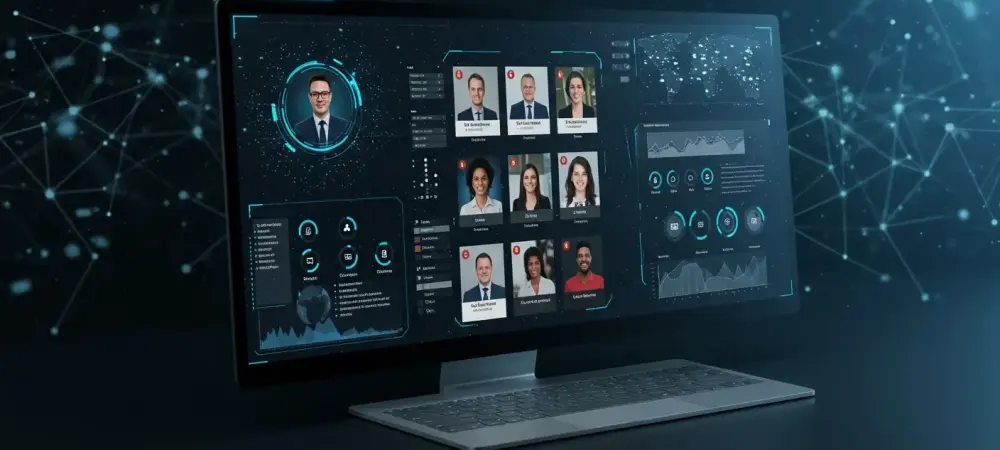
Artificial Intelligence (AI) hiring platforms are transforming the recruitment landscape, offering businesses innovative tools to streamline hiring processes. These platforms present a new era for recruitment, promising significant improvements over traditional methods. Unlocking the potential of AI in recruitment shines a light on its intricate features, performance metrics, and influences on industry dynamics. This review unpacks the current capabilities of AI hiring platforms and envisions future advancements in this dynamic field.
Exploring AI Hiring Platforms
AI hiring platforms have gained prominence by seamlessly merging advanced computing with recruitment protocols. Central to these platforms are algorithms and machine learning models designed to refine and accelerate hiring procedures. Operating in a broader technological sphere, they are redefining the methods by which human resources (HR) departments approach talent acquisition. As AI continues to permeate various aspects of tech industries, its role in evolving recruitment practices cannot be overstated. With the rapid development of AI, these platforms offer cost-effective solutions for businesses to discover and engage potential employees across diverse sectors. By analyzing vast volumes of data, AI hiring platforms ensure that the most suitable candidates are identified and selected with unparalleled efficiency. Thus, they form an essential component in modernizing recruitment ecosystems and aligning them with digital-first world expectations.
Key Features Offering Strategic Advantages
Sophisticated Matching Algorithms
At the core of AI hiring platforms are sophisticated matching algorithms. These algorithms surpass arbitrary job matching by evaluating a myriad of criteria, such as skills, experience, cultural fit, and even personality traits, to connect job seekers with appropriate roles. Analyzing millions of data points allows these algorithms to enhance decision-making and reduce biases in candidate selection. As a prime driver for automation in recruitment, they significantly cut down the time spent in manual candidate searches.
Automated Candidate Screening
Another pivotal feature of AI hiring platforms is automated candidate screening. This component optimizes how resumes and candidate profiles are evaluated, swiftly identifying potential mismatches and forwarding qualified prospects to recruiters. Automated screening not only reduces the volume of manual assessments but also enhances accuracy by mitigating human error. Businesses using this technology report swift shortlisting processes, leading to accelerated hiring cycles and better resource allocation.
Innovations Reshaping the Recruitment Landscape
Recent years have seen an influx of innovative technologies further invigorating AI hiring platforms. Emerging trends reveal a shift toward more nuanced AI solutions, such as natural language processing (NLP) capabilities that further refine how AI interprets candidate data. Additionally, trends in recruitment technology showcase a growing demand for platforms that offer personalized candidate experiences, driving more tailored engagement strategies. Interestingly, shifts in both consumer expectations and industry behavior are shaping how these platforms evolve. Increasing emphasis on diversity and inclusion has led to the development of AI tools aimed at minimizing bias, ensuring AI hiring solutions advocate for equitable recruitment practices. These trends reflect a deeper integration of ethical considerations into platform functionalities, addressing pressing global recruitment challenges.
Real-World Applications and Sector Deployment
AI hiring platforms demonstrate substantial value through their diverse applications across various industries. In sectors such as technology, healthcare, and customer service, companies leverage AI to efficiently connect with talent pools. Noteworthy implementations include using AI to proactively engage passive candidates, broadening the recruitment funnel and enhancing employer branding. Unique use cases highlight AI’s strength in market-specific conditions. For example, companies in rapidly growing industries can harness AI to swiftly adapt to fluctuating labor demands without overwhelming HR resources. AI hiring solutions are thereby positioning themselves as indispensable assets for industries seeking agility alongside growth.
Challenges and Limitations of AI in Hiring
Despite their advantages, AI hiring platforms face a host of challenges that impact their broader adoption. Technical limitations, such as data privacy concerns and algorithm transparency, raise questions about dependability and ethical usage. There is an ongoing dialogue around ensuring these AI systems uphold fairness and safeguard candidate information. Efforts to overcome these obstacles involve technological refinements and stakeholder collaborations for establishing clear ethical guidelines. By focusing on transparency and accountability, AI developers aim to enhance trust and acceptance, which are critical factors in AI technology’s continued evolution and industry-wide implementation.
Prospects and Long-Term Influence
Looking forward, AI hiring platforms are poised for further breakthroughs, with potential advancements in AI-driven workforce analytics and predictive talent trends foreseen. As AI becomes more sophisticated, it promises to revolutionize not only recruitment but broader workforce management practices, offering predictive insights and refined forecasting abilities. The long-term implications of AI hiring platforms extend beyond improving efficiencies. The evolution of these platforms could redefine career dynamics, influencing how businesses develop talent strategies and how candidates navigate job markets. With an eye on continuous innovation, AI is set to exert a profound influence on recruitment methods for decades to come.
Drawing Conclusions from the Current Landscape
In examining AI hiring platforms, a clear narrative emerges of ongoing innovation juxtaposed with ethical and technical challenges. These platforms stand as testament to AI’s potential to transform recruitment processes, yet also highlight areas needing refinement. As they evolve, the potential for AI solutions to enhance hiring strategies becomes increasingly apparent. The future promises an exciting trajectory, where AI continually reshapes how talent is found and nurtured.