

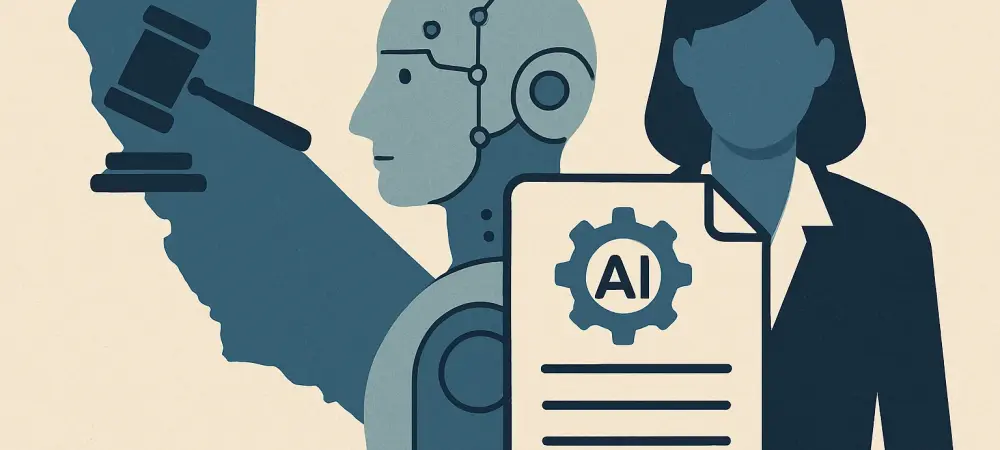
Setting the Stage for AI Regulation in Employment
Imagine a workplace where critical decisions—hiring, promotions, or even terminations—are made not by human managers but by algorithms, with little to no oversight. This scenario is becoming increasingly common as mid- to large-sized for-profit employers in California turn to artificial intelligence (AI) and automated decision-making tools to streamline operations. However, the potential for bias and lack of transparency in these systems has sparked significant concern, prompting California to introduce groundbreaking regulations under the California Consumer Privacy Act. These rules, finalized recently, are set to take effect on January 1, 2026, and are considered the most stringent in the United States by legal experts from Littler, a prominent law firm.
The urgency to regulate AI in employment stems from the rapid adoption of these technologies across industries. With automated systems often determining who gets hired or promoted, the risk of perpetuating biases or excluding qualified candidates without accountability is high. California’s response aims to address these challenges head-on, setting a precedent for how technology can be governed in high-stakes environments like the workplace. This review delves into the specifics of these regulations, evaluating their features, performance expectations, and broader implications for employers and employees alike.
Core Features of the Regulatory Framework
Mandatory Risk Assessments for AI Deployment
One of the cornerstone requirements of California’s new AI employment regulations is the mandate for employers to conduct thorough risk assessments before using automated systems for key decisions. This applies to processes such as recruitment, performance evaluations, and workforce restructuring. The goal is to identify potential biases embedded in algorithms, ensuring that technology does not inadvertently disadvantage certain groups based on race, gender, or other protected characteristics.
These assessments are not merely a formality but a proactive step toward ethical technology use. Employers must document how AI tools are designed, what data they rely on, and whether outcomes align with fairness principles. This feature underscores a commitment to preventing harm before it occurs, though it places a significant burden on businesses to scrutinize their systems in detail.
Transparency Through Pre-Use Notices and Rights
Another critical aspect of the regulations is the obligation for employers to provide pre-use notices to employees and candidates affected by automated decision-making tools. This transparency measure ensures that individuals are informed when AI is involved in decisions impacting their careers. It’s a push toward accountability, making sure that technology does not operate in the shadows.
Beyond notifications, the regulations grant specific rights to individuals, including the ability to opt out of automated processes and access information about how decisions are made. This empowers workers to challenge or question outcomes, fostering a culture of trust. While this feature strengthens employee protections, it also adds layers of complexity for employers who must now manage these interactions systematically.
Operational Compliance and Implementation Challenges
Compliance with these regulations is no small feat, as noted by legal experts. Employers must evaluate their existing AI systems, align them with the new requirements, and establish robust frameworks to meet the deadline in early 2026. This includes training staff, updating policies, and potentially redesigning technology to incorporate human oversight where necessary.
The operational burden is significant, particularly for businesses that have heavily integrated AI without prior regulation in mind. The need to balance innovation with adherence to strict rules creates tension that many companies will struggle to resolve. This feature of the regulation highlights its rigorous nature, demanding a high level of preparedness and adaptability from the corporate sector.
Performance and Impact Analysis
State-Level Trends and Comparative Insights
California’s approach to AI regulation in employment does not exist in isolation but is part of a growing wave of state-level initiatives across the United States. Various states are grappling with how to govern this technology, each with differing priorities and timelines. For instance, Colorado has faced delays in implementing its own AI law due to legislative debates, illustrating the diverse challenges in crafting effective policies.
This patchwork of regulations creates a complex landscape for employers operating in multiple jurisdictions. California’s stringent framework stands out as a leader, setting a high bar for transparency and accountability. However, the lack of uniformity among states raises questions about how well these regulations will perform in fostering consistent standards for AI use nationwide.
Federal-State Tensions and Regulatory Dynamics
Adding another layer of complexity is the potential conflict between state and federal priorities. A recent AI action plan from President Donald Trump includes provisions to withhold funding from states with regulations deemed overly burdensome. This stance reflects a federal preference for innovation over strict oversight, directly contrasting with California’s protective approach.
Such tensions could impact the performance of state-level regulations, as employers may face conflicting directives. Navigating this dynamic will require careful strategizing, especially for businesses with national operations. The interplay between federal pushback and state assertiveness underscores a critical challenge in achieving cohesive AI governance.
Employer Challenges and Ethical Considerations
For California employers, the immediate performance concern lies in adapting to the detailed requirements of these regulations. The operational impacts—ranging from conducting risk assessments to honoring employee rights—are substantial, with legal experts urging immediate preparation to avoid penalties come 2026. The complexity of compliance cannot be overstated, as it touches every aspect of AI integration in employment.
Beyond logistics, the regulations address deeper ethical concerns, such as the risk of bias in AI systems and the erosion of human judgment in decision-making. While these rules aim to mitigate such risks, their effectiveness will depend on how well employers implement them in practice. This dual focus on compliance and ethics shapes the broader impact of the regulatory framework on workplace technology.
Final Thoughts and Future Directions
Looking back, this review of California’s AI employment regulations revealed a robust yet demanding framework designed to tackle the risks of automated decision-making. The features, from mandatory risk assessments to transparency measures, demonstrated a strong commitment to protecting employee rights, though they imposed significant operational challenges. The analysis of broader trends and federal-state dynamics further highlighted the intricate balance between fostering innovation and ensuring oversight. Moving forward, employers must prioritize immediate action by auditing their AI systems and building compliance strategies well ahead of the 2026 deadline. Collaborating with legal and technology experts could ease this transition, ensuring that systems are both innovative and ethical. Additionally, policymakers should consider pathways for harmonizing state and federal approaches to reduce confusion for businesses.
As technology continues to evolve, ongoing dialogue between stakeholders—employers, employees, and regulators—will be essential to refine these regulations. Exploring pilot programs or phased implementations might offer practical insights into what works best. Ultimately, the journey toward responsible AI use in employment is just beginning, and proactive steps taken now will shape a more equitable workplace for years to come.