

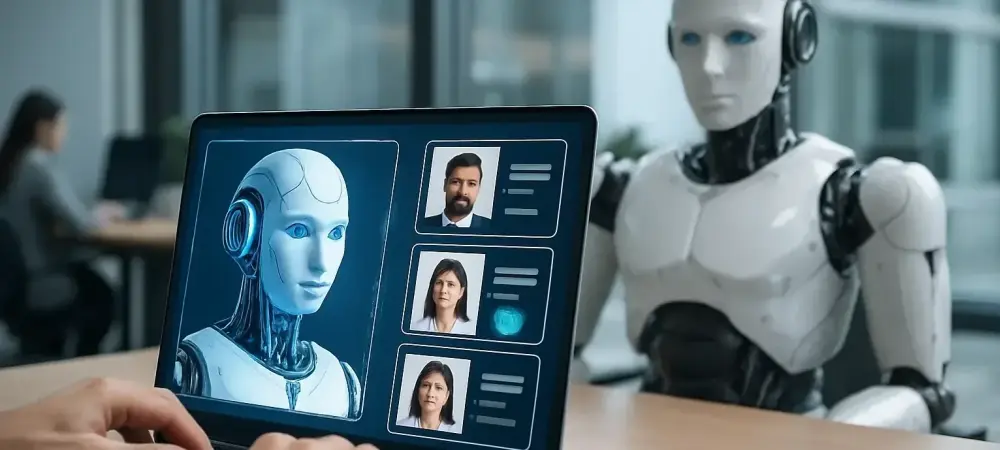
Imagine a hiring process where algorithms craft the perfect résumé, screen candidates with precision, and even prepare applicants for interviews—all before a human recruiter ever steps in. This isn’t a distant vision but a reality shaping talent acquisition today. Artificial intelligence (AI) has emerged as a game-changer in recruitment, streamlining processes for both employers and job seekers while raising critical questions about authenticity and readiness in the workplace.
The Rise of AI in Recruitment
The integration of AI into hiring marks a significant shift in how companies identify and select talent. From automating résumé creation to filtering applications through sophisticated applicant tracking systems (ATS), AI tools are redefining efficiency. Major corporations and startups alike are adopting these technologies to handle the sheer volume of applications, while candidates leverage AI to polish their materials and stand out in a crowded field.
Beyond mere automation, AI’s role extends to transforming the very nature of candidate assessment. Tools powered by machine learning can analyze vast datasets to predict job fit based on skills and experience, often outpacing traditional methods in speed. Yet, this rapid adoption also sparks debate about whether such systems truly capture the human elements essential for long-term workplace success.
This technological wave aligns with broader trends in workforce management, where digital solutions are increasingly central to talent strategies. As companies strive to remain competitive, understanding AI’s capabilities and limitations in hiring becomes paramount. The following sections delve into the mechanics, trends, and implications of this evolving landscape.
Core Features and Performance of AI Hiring Tools
Résumé Optimization and Creation
AI tools have become indispensable for job seekers aiming to craft standout applications. Platforms like LinkedIn’s AI assistant have already facilitated millions of résumé drafts, tailoring content to match specific job descriptions with uncanny accuracy. These systems analyze keywords and formatting trends to ensure materials pass initial filters, often giving candidates an edge in highly competitive markets.
The performance of AI-generated content is striking, as it frequently bypasses early screening barriers set by automated systems. However, this raises concerns about authenticity, as the polished output may not always reflect a candidate’s true abilities or personal voice. While the technology excels at customization, it often lacks the depth to convey unique career narratives that resonate with human recruiters.
Applicant Tracking Systems and Screening Precision
On the employer side, AI-driven ATS are pivotal in managing application influx. Research indicates that up to 75% of résumés are filtered out by these systems due to minor issues like formatting errors or missing keywords, never reaching human eyes. This highlights the precision—and potential rigidity—of AI in maintaining strict selection criteria aligned with company needs.
The technical underpinnings of ATS rely on algorithms that prioritize efficiency, scanning for specific markers to rank candidates. While this reduces manual workload, it can inadvertently exclude qualified individuals whose materials don’t align perfectly with programmed parameters. The balance between automation and fairness remains a critical area for refinement in these systems.
Such tools also impact selection accuracy, as their focus on quantifiable metrics may overlook nuanced qualifications or potential. Companies are beginning to recognize this gap, prompting efforts to tweak ATS algorithms for broader inclusivity. Still, the reliance on these systems underscores a growing dependence on AI to shape the initial stages of talent pipelines.
Emerging Trends in AI Recruitment
The adoption of AI in hiring is accelerating at an unprecedented pace. According to recent estimates from Gartner, around 80% of Fortune 500 companies now utilize AI for initial résumé screenings, a clear indicator of its mainstream acceptance. This trend reflects a broader push toward digital transformation in human resources, prioritizing speed and scalability. Job seekers are equally invested in this shift, with over 30% using generative AI for crafting application materials and preparing for interviews, as reported by SHRM. This mutual reliance creates a unique dynamic where AI often mediates interactions between candidates and employers long before any personal connection is made. The loop of bots communicating with bots is now a defining feature of modern recruitment.
Seasonal hiring peaks, such as fall placements and early-year planning cycles, further amplify AI’s relevance. Industries like finance, consulting, and retail are under pressure to secure talent swiftly during these windows, making AI an attractive solution for managing high application volumes. As this trend intensifies, the need to evaluate its long-term impact on hiring quality becomes increasingly urgent.
Real-World Impact and Case Studies
Several leading companies illustrate how AI is being integrated into hiring with a balance of innovation and human oversight. Unilever, for instance, employs AI to streamline early-stage candidate evaluations but ensures final decisions involve human interviews to assess cultural fit and values. This hybrid approach mitigates the risk of over-reliance on automation.
Spotify takes a distinctive tack by incorporating “story sessions” into its interview process, encouraging candidates to share personal experiences that reveal problem-solving styles and growth trajectories. This method complements AI’s keyword-driven analysis by capturing insights into character and leadership potential that algorithms often miss, reshaping recruitment in creative industries.
Similarly, IBM and Deloitte showcase AI’s versatility in talent management. IBM pairs automation with human resources expertise to handle routine tasks like scheduling, freeing staff to focus on strategic coaching. Deloitte, meanwhile, emphasizes soft skills in client-facing roles, using tailored rubrics alongside AI tools to ensure hires embody human-centric leadership. These examples highlight AI’s potential to transform hiring across diverse sectors when paired with thoughtful human input.
Challenges and Barriers in AI-Driven Hiring
Despite its advantages, AI in recruitment faces significant hurdles, particularly in preserving empathy and authenticity. When algorithms dominate the hiring funnel, there’s a tangible risk of overlooking cultural fit and personal connection—elements that define successful teams. This detachment can lead to mismatches that only become apparent after onboarding.
Technical limitations also pose challenges, as ATS may reject qualified candidates over trivial errors like formatting discrepancies. Moreover, candidates who rely heavily on AI for preparation often struggle with readiness, lacking the depth to navigate complex job demands once hired. These gaps underscore the technology’s current inability to fully replicate human judgment in nuanced scenarios.
Efforts to address these issues are underway, with many organizations exploring hybrid models that combine AI’s efficiency with human insight. Adjusting ATS criteria for greater flexibility and training recruiters to interpret AI outputs critically are steps toward mitigating flaws. Still, achieving a seamless balance remains an ongoing endeavor in the quest for equitable and effective hiring practices.
Future Prospects for AI in Talent Acquisition
Looking ahead, AI’s role in hiring is poised to evolve with advancements in assessing intangible qualities like emotional intelligence and soft skills. Emerging algorithms may soon analyze behavioral patterns or vocal cues during virtual interviews to gauge interpersonal aptitude, expanding beyond traditional metrics of experience and technical ability. The long-term implications for workplace dynamics are profound, as AI could redefine what constitutes candidate readiness in a tech-driven era. Authenticity may take on new meaning as prompting skills—knowing how to interact with AI tools effectively—become a core competency for both applicants and hiring teams. This shift suggests a future where digital fluency is as critical as domain expertise.
Deeper integration of AI into talent acquisition also opens possibilities for personalized candidate experiences and predictive hiring models. As companies refine these tools, the focus will likely center on ensuring technology enhances rather than replaces human connection. The trajectory points toward a collaborative framework where AI and human judgment work in tandem to build stronger, more adaptive workforces.
Reflecting on AI’s Role in Hiring
Looking back, the exploration of AI-driven hiring practices revealed a technology that excelled in efficiency and scale, fundamentally altering how talent was sourced and evaluated. Its ability to handle vast application volumes and optimize candidate materials stood out as a major strength, particularly for large organizations managing complex recruitment needs.
Yet, the journey also uncovered notable shortcomings, from the risk of diminished authenticity to technical barriers that excluded capable individuals. The experiences of companies like Spotify and IBM demonstrated that success hinged on blending AI’s precision with human oversight, ensuring that empathy and cultural alignment were not sidelined. Moving forward, the path to optimizing AI in hiring lies in fostering collaboration between technology and human insight. Stakeholders must prioritize developing systems that value soft skills as much as hard data, while training both recruiters and candidates in AI interaction. By focusing on hybrid solutions and continuous refinement, the industry can harness AI’s potential to create hiring processes that are not only faster but also more meaningful and inclusive.