

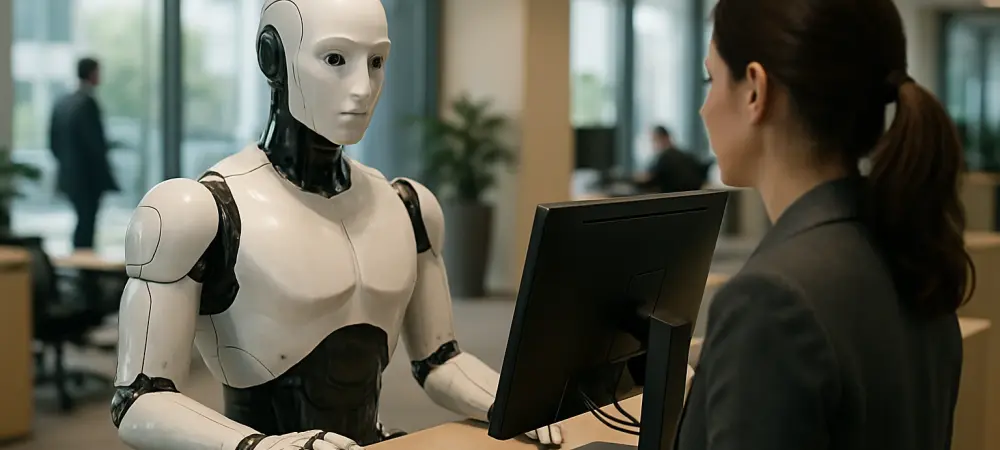
Imagine stepping into a high-end office building where every need, from booking a desk to reporting a faulty printer, is handled by a conversational AI that understands everyday language and anticipates employee requirements before they even ask. This is no longer a distant vision but a reality with Smart Spaces’ Space Agent, an agentic AI workplace concierge personified as “Max.” This technology is transforming commercial real estate by turning static smart buildings into proactive, interactive environments. This review delves into the capabilities of Space Agent, exploring how it enhances workplace management, boosts efficiency, and fosters employee engagement in modern office settings.
Core Features of Space Agent
Interactive Workplace Assistance
Space Agent stands out with its ability to simplify daily tasks for employees and tenants through natural language interactions. Whether it’s securing a desk for the day, reserving a meeting room for a critical presentation, or finding an available parking spot, users can communicate their needs via text or audio without navigating complex systems. This seamless interface reduces friction in routine activities, making the workplace more accessible and user-friendly.
The impact of this feature extends beyond mere convenience. By allowing employees to focus on their core responsibilities rather than logistical hurdles, Space Agent enhances productivity and satisfaction. Its intuitive design ensures that even those unfamiliar with advanced technology can interact effortlessly, bridging generational gaps in tech adoption within the workplace.
Smart Facilities Support
For facility managers, Space Agent offers a powerful suite of data-driven tools to monitor and optimize building performance. Real-time insights into occupancy levels, HVAC functionality, water consumption, and energy usage are readily available, enabling swift identification of inefficiencies or issues. This capability transforms traditional reactive maintenance into a proactive strategy, minimizing downtime and operational costs.
Such detailed analytics empower managers to make informed decisions about resource allocation and system upgrades. For instance, identifying underutilized spaces can lead to better space planning, while energy optimization data supports sustainability goals. Space Agent thus serves as a critical asset in managing high-end commercial properties with precision and foresight.
Community and Well-being Initiatives
Beyond operational efficiency, Space Agent plays a unique role in building workplace culture by promoting social connections and employee well-being. It suggests activities like lunchtime running clubs or coffee meetups, encouraging interaction among colleagues who might otherwise remain disconnected in large office environments. This focus on community helps create a more cohesive and supportive atmosphere.
Additionally, by facilitating these initiatives, the AI contributes to mental health and job satisfaction, which are increasingly prioritized in modern workplaces. Employees feel valued when their environment actively supports their personal and social needs, leading to higher retention rates and a more positive organizational reputation among tenants and stakeholders.
Streamlined Customer Service
Space Agent also excels in enhancing customer service through instant issue resolution mechanisms. Employees can report problems, such as malfunctioning IT equipment or facility concerns, directly through the platform, triggering immediate support tickets for relevant teams. This rapid response system minimizes disruptions and ensures that minor issues do not escalate into major setbacks.
The efficiency of this feature benefits not only the workforce but also facility managers and landlords who gain from quicker problem resolution and improved tenant satisfaction. By streamlining communication between users and support teams, Space Agent reduces response times, reinforcing trust in the building’s operational reliability and management effectiveness.
Emerging Trends in Smart Building Technology
The rise of intelligent building management solutions reflects a broader industry shift toward cost reduction and compliance with environmental, social, and governance (ESG) standards. Space Agent aligns perfectly with this trend by offering real-time diagnostics and actionable insights that make buildings more efficient to operate and easier to lease. Its ability to adapt to user needs positions it at the forefront of technology-driven workplace innovation.
Moreover, there is a noticeable change in expectations among occupiers and landlords alike. Employees now demand seamless engagement with their surroundings, while property managers seek greater control and transparency over facility operations. Space Agent meets these evolving demands by integrating user-centric design with robust backend analytics, setting a new benchmark for smart building capabilities.
Real-World Applications of Space Agent
Deployed across high-end commercial buildings worldwide via the cloud-hosted Smart Spaces platform, Space Agent serves a diverse array of stakeholders, including landlords, asset managers, facility teams, tenants, and employees. Its integration with existing smart building functions—such as access control, HVAC systems, lighting, and visitor management—creates a unified solution that enhances overall functionality. This holistic approach ensures that all aspects of building operations are interconnected and optimized.
Specific use cases highlight its versatility, such as enabling landlords to attract premium tenants by showcasing cutting-edge technology or assisting facility teams in maintaining peak operational efficiency. For employees, the concierge-like assistance transforms their interaction with the workspace, making it more intuitive and responsive. These applications demonstrate Space Agent’s capacity to deliver value across multiple levels of the commercial real estate ecosystem.
Challenges and Limitations of Agentic AI Concierges
Despite its impressive capabilities, Space Agent faces certain technical hurdles that must be addressed for broader adoption. Ensuring seamless integration with a variety of building systems, some of which may be outdated or incompatible, poses a significant challenge. Additionally, maintaining data privacy during AI interactions remains a critical concern, as sensitive information is often shared through these platforms.
Market-related obstacles also exist, particularly for smaller facilities where the cost of implementing such advanced technology might be prohibitive. Traditional building operators may resist adopting AI solutions due to unfamiliarity or skepticism about their benefits. Smart Spaces is actively working to overcome these barriers by enhancing scalability and accessibility, aiming to make Space Agent viable for a wider range of properties.
Future Outlook for Agentic AI in Workplaces
Looking ahead, agentic AI concierges like Space Agent are poised to evolve with even greater personalization and predictive analytics capabilities. Future iterations could anticipate building maintenance needs before issues arise or tailor workplace experiences to individual employee preferences, further enhancing efficiency and satisfaction. Such advancements would solidify AI’s role as an indispensable tool in commercial real estate management.
The long-term implications could redefine workplace design itself, creating fully autonomous environments that prioritize sustainability and user comfort. As these technologies mature over the coming years, from now through 2027, they are likely to influence architectural trends and employee expectations, pushing for spaces that are not just functional but also adaptive and human-centric in every aspect.
Final Thoughts and Verdict
Reflecting on this evaluation, it is evident that Space Agent has marked a significant milestone in transforming workplace management by blending conversational AI with smart building operations. Its multifaceted features have delivered tangible benefits, from simplifying daily tasks to supporting ESG objectives, proving its value to diverse stakeholders.
Moving forward, the focus should be on addressing integration challenges and expanding accessibility to smaller facilities through cost-effective solutions. Stakeholders in commercial real estate are encouraged to explore pilot programs with such technologies to better understand their potential impact. Additionally, ongoing collaboration between tech developers and building operators will be crucial to refine these tools, ensuring they meet the dynamic needs of modern workplaces while paving the way for smarter, more sustainable office environments.