

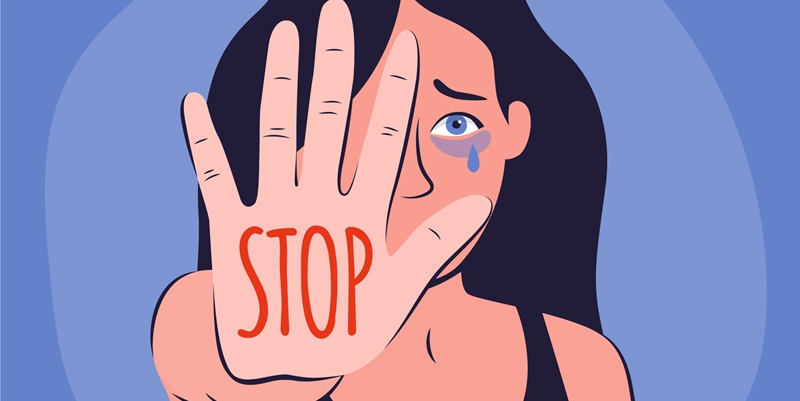
In recent years, there has been a concerning increase in sexual harassment lawsuits involving teenagers and other vulnerable employees. This article explores the reasons behind this rise and emphasizes the importance of addressing this issue in the workplace.
Lack of Awareness and Understanding
One of the key factors contributing to the prevalence of sexual harassment among minors is their limited understanding of what is considered appropriate versus inappropriate behavior. Many young employees may not have received adequate education or guidance on this matter, leaving them vulnerable to exploitation and harassment. It is crucial to address this lack of awareness to protect the well-being of adolescents in the workplace.
EEOC’s Expanded Protection
Recognizing the need to safeguard vulnerable workers, the Equal Employment Opportunity Commission (EEOC) announced its decision to expand its protection to those who might be unaware of their rights under equal employment opportunity laws. Notably, this category includes teenagers who are at risk of being subjected to sexual harassment without full comprehension of their legal protections. The EEOC’s proactive approach in pursuing harassment charges involving minors demonstrates their commitment to combating workplace misconduct.
Case Example
One poignant example that highlights the urgency of protecting young workers involves a restaurant chain. The EEOC brought a case against nine locations of the chain for allowing young female employees, including some teenagers, to be subjected to sexual harassment. This case serves as a compelling reminder to employers of the importance of creating a safe and respectful work environment for all employees, particularly those who are more vulnerable.
Effective Training and Management
To prevent sexual harassment incidents involving inexperienced or younger management, it is vital to provide consistent, regular, and ongoing training. These trainings should focus on educating managers about the appropriate ways to prevent and address sexual harassment. By equipping managers with the knowledge and skills needed to identify and address misconduct, employers can create a culture of respect and zero tolerance for harassment.
Clear Reporting Processes
One major misstep that employers often make, and which can lead to lawsuits down the line, is the lack of clear reporting processes. It is imperative for companies to establish transparent reporting mechanisms and ensure all employees are aware of them. Employees need to feel supported and encouraged to report any incidents of harassment without fear of retaliation. By streamlining the reporting process, employers can quickly address complaints and take appropriate action.
Investigation and Accountability
When a harassment incident is reported, it is crucial for employers to conduct a thorough investigation. This includes gathering evidence and speaking to all parties involved. Through a fair and unbiased investigation, employers can determine the veracity of the claims and hold those responsible for harassment accountable. Taking firm action not only promotes a safer work environment but also sends a strong message that sexual harassment will not be tolerated.
The rise in sexual harassment lawsuits involving teenagers and vulnerable employees demands immediate attention and action. Employers must prioritize the development of comprehensive prevention strategies to protect young workers in the workplace. By increasing awareness, providing proper training to management, establishing clear reporting processes, and ensuring thorough investigations, organizations can work towards creating a workplace environment that is safe, respectful, and free from sexual harassment. It is time to address this issue head-on and create a culture that supports and empowers all employees, regardless of their age or vulnerability.