

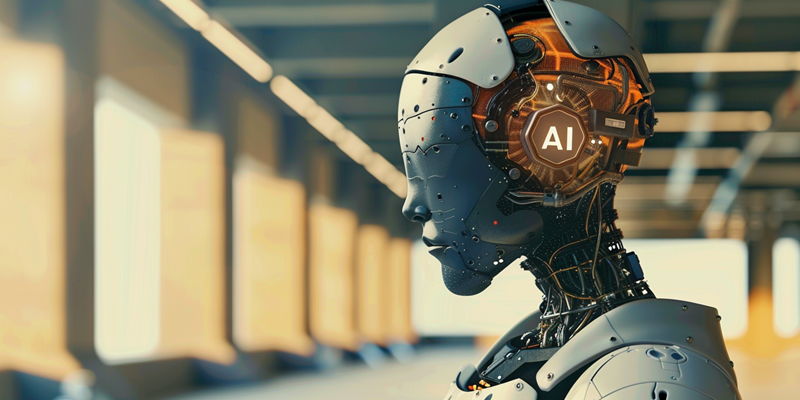
The advent of generative artificial intelligence is propelling organizations to reconsider their strategies for managing and nurturing talent. The transformative potential of AI technologies necessitates a holistic reevaluation of how companies cultivate their workforce, structure their teams, and future-proof their operations.
Adapting to AI-Led Changes in the Workforce
Shifting Talent Strategies
Leaders at the forefront of adopting AI within their organizations recognize the need to align their talent strategies with the possibilities unlocked by generative AI. In response to the pressures and opportunities presented by this novel technology, an overwhelming majority of upper management are set to revise their plans for talent development and acquisition. They are primed to reassess how tasks are allocated, which skills are essential, and how best to foster a culture of continuous learning. This restructuring of talent strategies takes into account not just the imminent integration of generative AI into everyday tasks but also the essential human element requisite for the effective application of AI.
Upskilling for the AI Era
Given the rapid pace of AI advancements, there’s a pressing need for workforce reskilling. Companies are recognizing that the proficiency required yesterday differs greatly from the capabilities that will be needed tomorrow. To harness the full potential of generative AI, talent must be equipped with skills that facilitate collaboration with these technologies. This focus on upskilling is spurred by the understanding that efficiency and productivity gains are contingent upon a workforce that can adapt to and work alongside AI’s evolutionary path.
Navigating the Trust and Integration Landscape
Building Trust in AI
Although the promise of AI is considerable, many organizations struggle with fostering trust among their employees in these systems. Trust is a cornerstone of successful AI integration, influencing how employees perceive and interact with the technology. Companies are gradually learning that the potential of AI cannot be leveraged without the support and confidence of their workforce. This understanding calls for an investment in building trusted AI, ensuring transparency and establishing clear guidelines for its use, which plays a significant role in achieving widespread acceptance and maximizing the technology’s benefits across an organization.
Structuring for AI
The emergence of generative AI is prompting businesses to restructure their talent management approaches. With AI’s disruptive capabilities, it’s crucial for companies to reassess how they develop their personnel, organize their teams, and adapt their processes for the future. This isn’t just about integrating new technologies—it’s also about fostering a culture that embraces continuous learning and innovation. Companies are now focusing on upskilling their employees to work seamlessly with advanced AI systems, ensuring that their human capital remains a competitive advantage. Moreover, leadership needs to be proactive in redesigning job roles and collaboration models to leverage AI effectively. This strategic shift is imperative to thrive in a rapidly evolving digital landscape. Businesses that can successfully merge human ingenuity with the efficiency of AI will be well-equipped to meet the challenges of the future.