

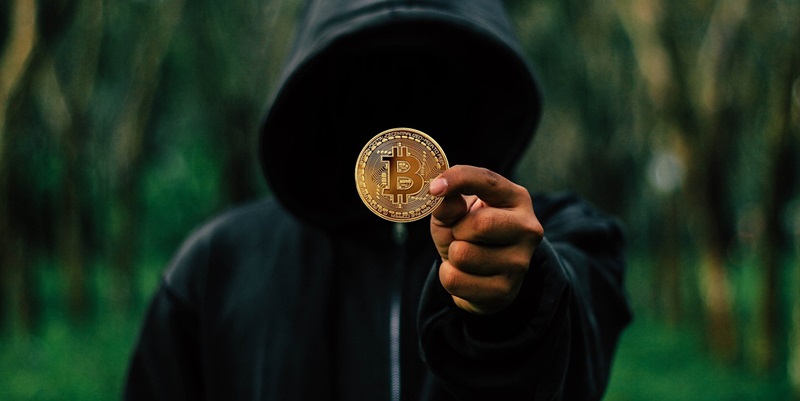
On November 3, the X (formerly Twitter) account of renowned rapper Wiz Khalifa was hacked, causing a significant stir among his substantial following of 35.7 million users. The hack led to the promotion of a fraudulent meme coin, $WIZ, claiming Khalifa’s involvement in the launch. The hackers impersonated Khalifa and announced that he and his team had developed the token specifically for cryptocurrency enthusiasts. Upon its listing on the Solana-based launchpad Pump.fun, the WIZ token saw an astonishing rise in market capitalization, reaching $3.4 million within just 15 minutes of its release. However, this excitement was short-lived, as the token’s value subsequently plummeted below $28,000 within an hour, a result of early investors offloading their large holdings quickly.
The extent of the scam became evident when it was reported that two particular wallets profited substantially, earning $160,000 by purchasing roughly 155 million WIZ tokens for $19,100 each and selling them at the peak before the token’s value crashed. This strategy is characteristic of "pump-and-dump" schemes, where perpetrators generate hype around a token only to sell their holdings at artificially inflated prices, thereby causing the value to collapse and leaving unsuspecting investors with worthless assets. The swift decline in WIZ’s market value reinforced the need for vigilance and skepticism among crypto investors, especially in a market rife with such deceptive practices.
Similar Hacking Incidents and Investigation
Blockchain investigator ZachXBT pointed out similarities between this incident and a previous hack on October 29 involving Andy Ayrey, the developer behind the Truth Terminal. In that incident, hackers took over Ayrey’s account to promote fake meme coins, leading to approximately $1.5 million in profits for the perpetrators. ZachXBT’s analysis suggests that the same hacker might be behind both attacks. He advised his followers on Telegram to avoid purchasing the WIZ token, reinforcing his suspicions by linking it to the earlier hack of Ayrey’s account.
This revelation intensified concerns about the security of high-profile social media accounts and the ease with which they can be commandeered for fraudulent purposes. The cybercriminals’ ability to execute such schemes underscores the need for more robust security measures and greater awareness among account holders. Social media platforms like X face increasing pressure to implement enhanced security protocols to prevent such breaches. The involvement of notable figures in these scams not only impacts the victims but also shakes the confidence of the broader public in the security of digital platforms and the safety of engaging in cryptocurrency investments.
Impact and Call for Better Security Measures
The hacking incident involving Wiz Khalifa’s account has not only cast a spotlight on the vulnerabilities of social media but also highlighted the risks associated with uninformed or impulsive investments in nascent and highly volatile markets like cryptocurrency. As fans and followers of Khalifa remain unaware if his account has been reclaimed, the event serves as a stark reminder of the potential for substantial financial losses in the wake of such scams. There has been no official statement from Khalifa’s team, leaving many in the dark about the status of the compromised account and fostering a sense of uncertainty and mistrust among his followers.
In light of these developments, cybersecurity experts and industry stakeholders are urging for heightened security and vigilance in managing high-profile social media accounts. Enhanced features such as multi-factor authentication and regular security audits are being recommended to safeguard against unauthorized access. Education on the dynamics of common scams, particularly in the cryptocurrency space, is also critical to arming users with the knowledge needed to identify and avoid potential threats. Adequate preventative measures not only protect individual accounts but also preserve the integrity of the social media platforms themselves, fostering a safer digital environment for all users.
Reflection on the Broader Crypto Space
On November 3, Wiz Khalifa’s X (formerly Twitter) account was hacked, causing a major uproar among his 35.7 million followers. The hacker used Khalifa’s account to promote a fake meme coin called $WIZ, falsely claiming the rapper’s endorsement and involvement in creating it. The token was quickly listed on Pump.fun, a Solana-based launchpad, and its market capitalization soared to $3.4 million within just 15 minutes of its debut. However, the enthusiasm was short-lived, with the token’s value collapsing to less than $28,000 within an hour, as early investors hurriedly sold off their holdings.
The full extent of the scam became clear when it was revealed that two particular wallets had made significant profits. These wallets bought around 155 million WIZ tokens for $19,100 each and sold them at the peak, netting a total of $160,000 before the crash. This practice is a classic example of a "pump-and-dump" scheme, where scammers inflate a token’s value and then sell off their shares at high prices, leaving other investors holding worthless assets. The incident highlighted the necessity for crypto investors to remain vigilant against such deceitful practices in a market filled with potential fraud.