

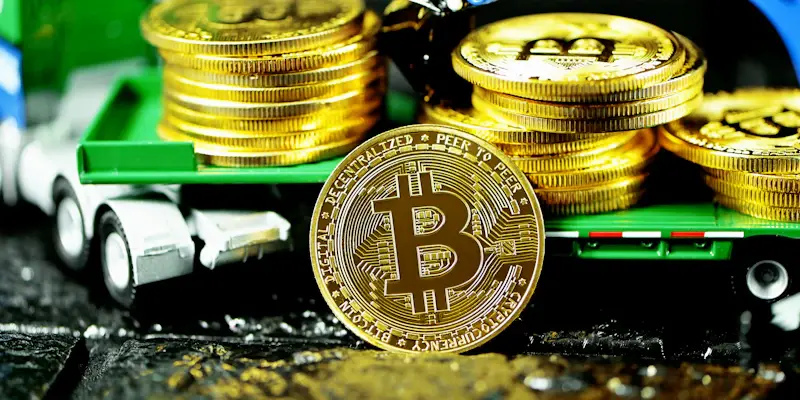
The cryptocurrency market has proven to be one of the most dynamic and rapidly evolving sectors in the financial industry, drawing considerable attention from investors, institutions, and governments worldwide. Anticipation is building around the potential for explosive growth in several major cryptocurrencies by 2025. This article delves into five prominent cryptocurrencies: Bitcoin (BTC), Ethereum (ETH), Ripple (XRP), Binance Coin (BNB), and Solana (SOL), analyzing their current market performance, technological advancements, and robust community support.
Bitcoin: Maintaining Dominance in the Crypto Market
Current Market Performance and Institutional Acceptance
Bitcoin remains the undisputed leader in the cryptocurrency market, trading at over $93,000 with a significant year-to-date growth of 121.46%. Its status as a digital gold and a store of value has only strengthened over time. Bitcoin’s appeal lies in its ability to serve as a hedge against inflation, which has increasingly drawn the interest of both retail and institutional investors. Institutional acceptance has been a significant driving force behind Bitcoin’s surge, with major financial entities integrating Bitcoin into their portfolios and payment systems.
The development of Bitcoin Exchange-Traded Funds (ETFs) has also played a crucial role in Bitcoin’s continued dominance. These financial instruments have made Bitcoin more accessible to a broader range of investors and are expected to contribute to its further mainstream adoption. As regulatory frameworks become clearer and more supportive, Bitcoin’s position in the financial ecosystem is likely to be reinforced, leading to sustained growth and potential new highs by 2025.
Technological Advancements and Future Outlook
Technological advancements within the Bitcoin network have been pivotal in maintaining its competitive edge. The implementation of the Lightning Network, which enhances transaction speeds and reduces costs, has addressed some of the scalability issues that have plagued Bitcoin in the past. Moreover, ongoing developments in security protocols and infrastructure improvements ensure that Bitcoin remains a secure and viable investment option.
Looking to 2025, Bitcoin is expected to continue benefiting from its established reputation and widespread adoption. The growing interest in decentralized finance (DeFi) and the integration of blockchain technologies across various industries are likely to further integrate Bitcoin into the global financial system. As more countries consider recognizing Bitcoin as a legitimate form of currency, its market capitalization and investor base could expand significantly.
Ethereum: Pioneering Smart Contracts and dApps
Performance and Transition to Ethereum 2.0
Ethereum stands out due to its revolutionary smart contract functionalities, which have become the backbone of decentralized applications (dApps) and the broader DeFi ecosystem. With a trading price of $3,419.45 and a year-to-date growth of 49.86%, Ethereum continues to be a preferred platform for developers and enterprises. The transition to Ethereum 2.0 has been a game-changer, enhancing scalability, security, and energy efficiency of the network.
The move to a proof-of-stake consensus mechanism in Ethereum 2.0 has significantly reduced the network’s energy consumption, addressing one of the major criticisms against cryptocurrency mining. This transition has not only made Ethereum more sustainable but has also improved its transaction processing capabilities, making it more attractive for a diverse range of applications. This technological evolution positions Ethereum as a crucial player in the blockchain space, likely driving its growth through 2025.
Ecosystem Developments and Future Prospects
Ethereum’s robust ecosystem continues to expand, with a thriving developer community and an increasing number of projects being built on its platform. Decentralized finance (DeFi) has emerged as a significant growth area, allowing users to engage in lending, borrowing, and trading activities without intermediaries. Additionally, the explosion of non-fungible tokens (NFTs), given that the majority of NFT marketplaces are built on its blockchain, has further fueled interest in Ethereum.
Looking ahead, Ethereum is poised to benefit from its strong technological foundation and extensive developer support. The ongoing improvements in network efficiency and scalability will likely attract more businesses and projects, driving further adoption. With its pivotal role in powering dApps and the DeFi ecosystem, Ethereum’s market performance is anticipated to remain robust, potentially reaching new milestones by 2025.
Ripple: Advancing Blockchain-Based Payments
Market Performance and Legal Victory
Ripple has demonstrated impressive market performance, priced at $2.07 with an outstanding year-to-date growth of 237.37%. A significant factor contributing to Ripple’s resurgence has been its legal victory against the U.S. Securities and Exchange Commission (SEC). This favorable outcome has removed a substantial cloud of uncertainty, allowing Ripple to refocus on its core mission of revolutionizing cross-border payments through blockchain technology.
Ripple’s blockchain-based payment solutions offer considerable advantages over traditional financial systems, including faster transaction times and lower costs. Financial institutions have shown increasing interest in adopting Ripple’s technology for cross-border transactions, which has the potential to greatly streamline financial operations. As regulatory clarity improves, Ripple’s market positioning is expected to strengthen, fostering further growth.
Technological Innovations and Future Growth
Ripple’s emphasis on technological innovation has been crucial to its success. The company’s commitment to developing a robust and scalable payment network has positioned it as a formidable competitor in the fintech space. With a focus on providing secure and efficient solutions, Ripple’s technology is well-suited to meet the demands of modern financial markets. The introduction of new features and improvements in network functionality are likely to enhance Ripple’s appeal to both financial institutions and individual users.
As Ripple aims to expand its adoption for cross-border payments and financial transactions, the company’s strategic partnerships and technological advancements will play a vital role. By 2025, Ripple’s ability to offer efficient and cost-effective solutions could lead to widespread adoption across various industries, further solidifying its market presence.
Binance Coin: Integral to the Binance Ecosystem
Market Performance and Ecosystem Integration
Binance Coin (BNB), trading at $697.87 with a year-to-date growth of 123.40%, has established itself as an integral component of the Binance ecosystem. This ecosystem includes one of the world’s largest cryptocurrency exchanges, Binance, and the Binance Smart Chain (BSC). BNB’s utility extends beyond transaction fees, encompassing staking, participating in token sales, and various DeFi applications within the Binance ecosystem.
The sustained growth of Binance and its expanding suite of services has directly influenced BNB’s market performance. Binance’s strategic initiatives, such as launching new products and services and entering into partnerships, have bolstered BNB’s demand and value. The ecosystem’s thriving DeFi activities and the advent of new projects on the Binance Smart Chain have further enhanced BNB’s utility and market appeal.
Future Developments and Market Potential
Looking forward, Binance plans to continue expanding its ecosystem, which will positively impact BNB’s growth prospects. Ongoing enhancements to the Binance Smart Chain, including improvements in scalability and security, are expected to attract more developers and projects to the platform. This increased activity within the ecosystem will likely drive demand for BNB, contributing to its market growth.
Moreover, Binance’s efforts to comply with regulatory requirements and secure licenses in various jurisdictions will play a pivotal role in ensuring its longevity and continued expansion. As regulatory environments evolve and become more supportive, BNB’s integration within the Binance ecosystem could lead to significant growth, making it a key player in the cryptocurrency market by 2025.
Solana: High-Speed Blockchain for dApps and DeFi
Exceptional Growth and Technological Strengths
Solana has exhibited exceptional growth, trading at $192.15, with a notable year-to-date increase of 89.29%. Known for its high-speed and low-cost blockchain, Solana has garnered attention for its suitability for decentralized applications, particularly in gaming, non-fungible tokens (NFTs), and DeFi projects. Solana’s technological strengths, including its high throughput and efficient consensus mechanism, have positioned it as a leading contender in the blockchain space.
The platform’s ability to process thousands of transactions per second with minimal fees has attracted a growing number of developers and projects. Solana’s innovative approach to scalability and performance has enabled it to overcome several challenges faced by other blockchain networks, fostering an ecosystem of cutting-edge applications. The growing interest in Solana’s technology is likely to drive further adoption and growth in the coming years.
Future Prospects and Ecosystem Expansion
Looking ahead, Solana’s continued technological improvements and ecosystem expansion are expected to enhance its market presence. The increasing number of projects and decentralized applications being built on Solana’s blockchain underscores its appeal to developers seeking high-performance solutions. Solana’s focus on fostering a vibrant and supportive community will play a crucial role in driving ecosystem growth and adoption.
Additionally, strategic partnerships and collaborations with other blockchain projects and industry leaders will further bolster Solana’s market position. By 2025, Solana’s ability to deliver fast, secure, and cost-effective solutions will likely make it a prominent player in the cryptocurrency market, offering substantial opportunities for investors.
Conclusion
The cryptocurrency market has emerged as one of the most dynamic and fast-paced sectors in the financial world, garnering significant interest from investors, institutions, and governments around the globe. Expectations are mounting about the potential for significant growth in several leading cryptocurrencies by 2025. This article explores five notable cryptocurrencies: Bitcoin (BTC), Ethereum (ETH), Ripple (XRP), Binance Coin (BNB), and Solana (SOL). It provides an analysis of their current market performance, recent technological innovations, and the strong support each has from its respective community. Bitcoin, often referred to as digital gold, leads the way with its robust adoption and limited supply. Ethereum stands out with its smart contract capabilities and diverse applications. Ripple, with its focus on banking and financial transactions, aims to revolutionize cross-border payments. Binance Coin has gained traction as the native token of the world’s largest cryptocurrency exchange, while Solana continues to make waves with its high-speed and low-cost transactions.