

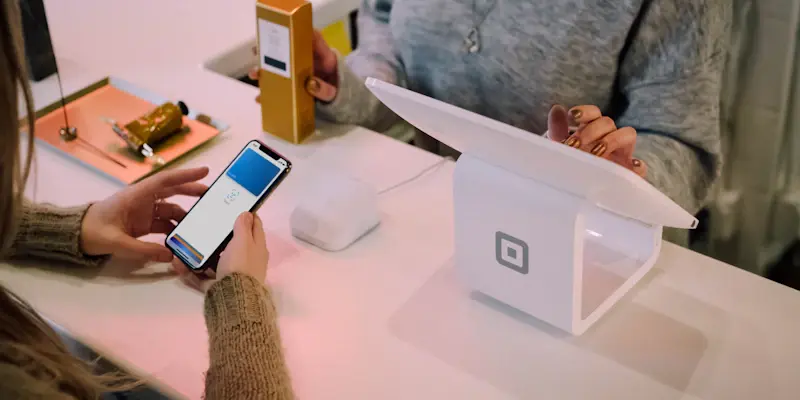
As Tap to Pay technology continues to gain momentum, businesses and consumers alike are beginning to experience its benefits. This rapidly evolving payment method allows merchants to process digital wallet transactions directly through iPhones, potentially disrupting traditional Point of Sale (POS) systems. The shift toward this new technology prompts questions about whether it could eventually replace established POS systems entirely.
Expansion of Tap to Pay Technology
Tap to Pay Growth
Recent expansions by fintech companies such as Adyen, Viva.com, and Nexi underscore the increasing popularity and demand for Tap to Pay solutions. These innovations aim to simplify and secure the payment process for both merchants and consumers. With the ease of use and security provided by these solutions, the adoption rate has increased significantly, highlighting a shift in merchant and consumer behavior toward more technologically advanced payment methods.
Adyen’s notable expansion into nine new markets, including Bulgaria, Finland, and Hungary, demonstrates the growing acceptance of Tap to Pay technology. This move not only enhances the in-store experience but also highlights the technology’s scalability and reliability. By offering secure encrypted transactions and eliminating the need for additional hardware, Adyen has made it easier for businesses to adopt this technology, leading to a smoother and more efficient payment process. The expansion into diverse markets reflects the universal appeal and practicality of Tap to Pay, providing a modern solution to traditional POS challenges.
New Markets and Adoption
Similarly, Nexi has introduced its SoftPOS solution to Switzerland and Finland, illustrating the flexibility and mobility benefits that Tap to Pay offers. This technology is particularly advantageous for small businesses that find the traditional POS systems costly and cumbersome. By enabling digital payments without the need for a fixed location or additional hardware, Nexi’s SoftPOS provides merchants with the freedom to conduct transactions virtually anywhere, increasing their operational flexibility.
Viva.com has also expanded its Tap to Pay services into new regions such as Bulgaria and Portugal, further showcasing the potential for this technology to streamline the checkout process, offering more accessible and innovative payment solutions for businesses. The ability to quickly and efficiently process transactions through a smartphone enhances customer satisfaction and reduces wait times at checkout. This global expansion highlights the growing demand for Tap to Pay solutions, indicating a shift in market preferences toward more efficient and mobile payment methods.
The Debate on POS System Replacement
Benefits for Small Businesses
One of the key advantages of Tap to Pay technology is its cost-effectiveness, making it an attractive option for startups and smaller enterprises. Many startups struggle with the expenses associated with traditional POS devices, which often leads them to prefer cash-only transactions. Tap to Pay on iPhone offers a more accessible solution, enabling these businesses to accept digital payments without the need for costly hardware investments. This not only reduces operational costs but also appeals to customers who prefer contactless payment options.
Dennis Shirshikov, a finance professor, notes that while Tap to Pay reduces the footprint of traditional POS systems, it may not fully replace them. Larger companies with intricate needs, like inventory management, may continue to rely on traditional systems for their comprehensive functionalities. The advanced features of traditional POS systems support detailed back-end operations that are crucial for large-scale businesses. Therefore, while Tap to Pay presents a viable alternative for smaller companies, it may not cater to the complex demands of larger enterprises.
Larger Organizations’ Needs
Larger retail chains might still depend on traditional POS systems due to their advanced capabilities that support complex back-end operations. While smaller businesses like coffee shops benefit from the expedited checkout process, traditional systems continue to serve the detailed needs of bigger enterprises. Features such as inventory tracking, loyalty program integrations, and detailed sales analysis provided by traditional POS systems are essential for the efficient management of large stores.
Nonetheless, the ongoing development and integration of Tap to Pay technology could slowly shift the reliance from traditional POS systems. Sectors like public transit already demonstrate the effectiveness of Tap to Pay for instant payment processing, suggesting a potential broader application. As the technology advances, it may begin to incorporate more sophisticated features that appeal to larger organizations, gradually bridging the gap between Tap to Pay and traditional POS systems.
Overcoming Challenges
Merchant Awareness and Security Concerns
Despite the promising advantages, Tap to Pay technology faces significant challenges, primarily related to gaining trust and awareness among merchants. Many businesses are cautious about transitioning from their long-standing payment methods, especially when concerned about security. The unfamiliarity with new technologies and the fear of data breaches contribute to this hesitation, making it essential for providers to emphasize the security measures in place.
Educating merchants on the security features of Tap to Pay systems is crucial for fostering adoption. Demonstrating that these solutions are as secure as traditional terminals will be key in persuading hesitant businesses. Providers must showcase the encryption protocols and secure data transmission methods employed by Tap to Pay technology to build confidence among users. By addressing these concerns, businesses can be more confident in adopting this modern payment method, leading to increased acceptance and usage.
Consumer Preferences and Technology Limitations
As Tap to Pay technology continues to gain momentum, both businesses and consumers are starting to experience its numerous advantages. This fast-evolving payment method enables merchants to process digital wallet transactions directly through iPhones, potentially disrupting traditional Point of Sale (POS) systems that have long been the standard. With the rise of Tap to Pay, many are questioning whether this innovative technology could eventually replace established POS systems entirely.
Not only does Tap to Pay offer convenience and speed for consumers, but it also simplifies the checkout process for merchants, reducing the need for additional hardware and streamlining transaction procedures. As more businesses adopt this technology, the industry may witness a significant shift in how transactions are conducted. However, it remains to be seen if Tap to Pay will fully overtake traditional POS systems, as issues like integration, security, and consumer adaptation must still be addressed. Regardless, the growing popularity of Tap to Pay signals a notable transformation in the payment landscape.