

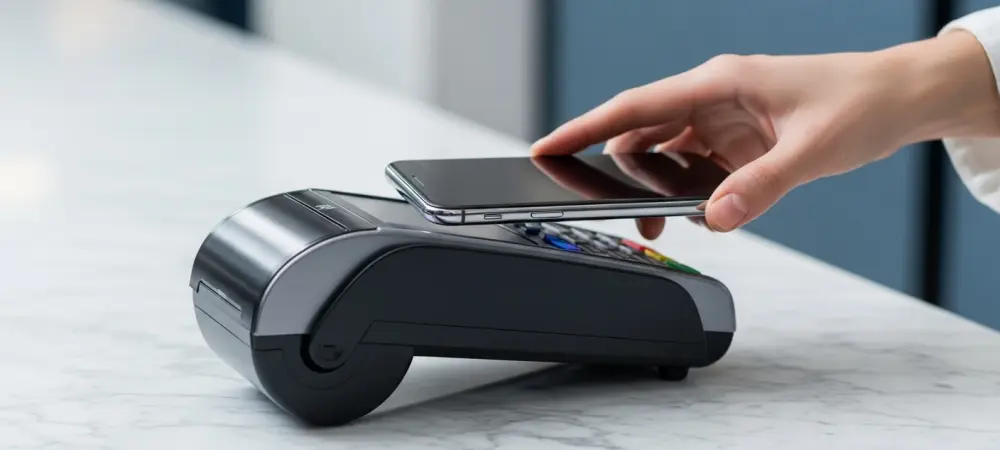
The dream of leaving the house with nothing but a smartphone is finally transitioning from a futuristic novelty into a standard daily reality for millions of users worldwide. As digital wallet technology matures, the convenience of tapping a device to board a train or buy groceries has expanded to include highly sensitive documents like state-issued driver’s licenses and corporate employee badges. Google Pay has undergone a massive evolution, integrating sophisticated encryption and strategic partnerships with government agencies to ensure that digital credentials carry the same legal weight as their traditional plastic counterparts. This shift represents a fundamental change in how personal identity and financial assets are managed in an increasingly interconnected society. While some regions have fully embraced this transition, others remain cautious about the security implications and the potential for technological exclusion among those who do not possess modern hardware. The evolution of the digital wallet is reaching a critical mass where the necessity of a physical leather folder is being questioned.
Digital Identity: The Integration of Government and Corporate Credentials
State governments across the country have started to authorize the use of digital driver’s licenses within the Google Pay ecosystem, utilizing the ISO 18013-5 standard for mobile identification. This technical framework allows for a secure exchange of information between the smartphone and an identity reader, such as those used by the Transportation Security Administration at airport checkpoints. By implementing this standard, Google ensures that the digital ID is not just a static image but a cryptographically signed credential that can be verified as authentic in real-time. Several states, including Arizona and Georgia, were early adopters, paving the way for a more standardized national rollout that minimizes the friction of manual ID checks. These digital credentials allow users to maintain control over their data, as the information is stored locally in a secure element on the device rather than on a central server that could be vulnerable to massive data breaches or unauthorized access.
Beyond government identification, the expansion of Google Pay into corporate and transit sectors has replaced the need for physical access cards and paper tickets in major metropolitan areas. Major office buildings in New York and San Francisco have integrated their security systems with digital wallets, allowing employees to unlock doors and verify their presence using only their mobile devices. Similarly, transit authorities in London and Chicago have moved toward a system where physical fare cards are largely redundant, as NFC-enabled smartphones provide a faster and more reliable method of entry. This widespread infrastructure upgrade has created an environment where the smartphone functions as a universal key, capable of navigating both the physical and digital worlds with a single tap. The reliability of these systems has improved to the point where downtime is rare, and the inclusion of power-reserve modes allows for transit passes to function even if the phone battery is depleted.
Security Foundations: Safeguarding Sensitive Personal Data
Security remains the primary concern for users considering the total replacement of their physical wallets, and Google has addressed this through multi-layered hardware protections. To maximize safety, individuals should utilize the hardware-level encryption provided by the Titan M2 security chip, which creates a dedicated environment for storing sensitive keys and biometric data. It is essential for users to enable biometric authentication for every transaction or ID request, ensuring that a lost or stolen phone does not grant an intruder access to financial or personal life. Unlike a physical wallet, which can be picked up and used by anyone, a digital wallet is effectively a brick without the owner’s unique biological signature. Moreover, users should audit their digital credentials regularly to ensure that tokenization is active for financial transactions, replacing actual card numbers with unique codes that prevent merchants from storing user account details, reducing fraud from terminal compromises.
The shift toward a unified digital identity and payment platform moved beyond the experimental phase and became a cornerstone of modern daily life. Technological hurdles that once prevented the full adoption of mobile wallets were systematically dismantled through better hardware security and international standardization of digital credentials. Merchants and government agencies recognized the efficiency of electronic verification, leading to a significant reduction in the reliance on physical plastic and paper documents. While the transition required a period of adjustment for both the public and private sectors, the benefits of enhanced privacy and reduced fraud eventually outweighed the initial skepticism. As more individuals adopted these secure digital tools, the traditional physical wallet transformed from a necessity into a niche accessory for those who preferred legacy methods. The successful integration of these systems demonstrated that digital ecosystems could provide a safer and more efficient way to manage information.