

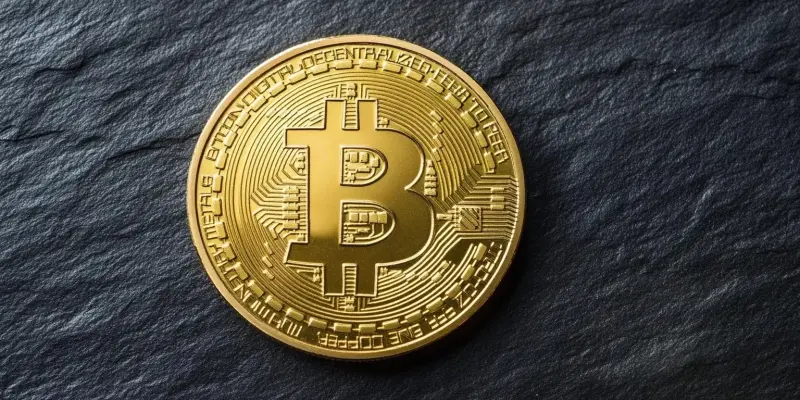
Recent developments in the Bitcoin (BTC) market have captured the attention of investors and analysts alike, as the digital currency tests significant price levels. Trading at approximately $85,192 with a slight daily increase, Bitcoin’s performance reflects a confluence of factors driving its price trends and shaping its near-term outlook. These factors include strategic market movements, institutional investments, government actions, regulatory developments, and anticipated events such as the expiration of Bitcoin options. By analyzing these components, it becomes evident that Bitcoin’s trajectory remains uncertain yet filled with potential for substantial growth.
Institutional Investment Surge
One of the major drivers of Bitcoin’s recent performance is the increased involvement of institutional investors. A standout example is GameStop’s decision to invest $1.3 billion in Bitcoin through the issuance of convertible senior notes. This strategic shift represents a significant move from traditional investments toward digital assets, signaling growing confidence in Bitcoin. As more mainstream businesses commit to holding Bitcoin, it further reduces the stigma associated with cryptocurrency investments. These public displays of trust in digital currencies often catalyze positive momentum in the market, transforming Bitcoin into an asset with recognized legitimacy within traditional financial sectors.
Such institutional commitments not only stabilize market sentiment but also pave the way for other companies to adopt similar strategies. When reputable companies make substantial investments in Bitcoin, they help validate the asset class among broader financial circles. This cascading effect of institutional adoption often results in enhanced liquidity and price stability. Additionally, institutional participation increases market depth by introducing sophisticated trading strategies and risk management practices, which can mitigate price volatility. As more companies follow GameStop’s lead, Bitcoin’s market dynamics are likely to shift, fostering an environment ripe for potential breakouts beyond current resistance levels.
Government Transactions Fuel Speculation
The Bitcoin market has also been influenced by significant movements from government-linked cryptocurrency wallets, which have caught the attention of vigilant investors. On March 28, 2025, the U.S. government transferred around 97.3 BTC and 884.3 ETH, sparking considerable speculation among market participants. Although the purpose behind these large-scale transactions remains unclear, they invariably lead to conjecture about potential sell-offs or strategic reallocations. Such government activities can act as short-term catalysts, especially during periods of heightened macroeconomic uncertainty.
These government-linked transactions typically result in elevated market activity and increased volatility. Speculative responses from traders often drive price fluctuations as they anticipate further governmental actions or policy shifts. While these movements do not solely dictate the market direction, they contribute to short-term price dynamics and trading volumes. Investor sentiment during these periods can swing dramatically based on perceived implications for broader market trends. It is essential for market participants to closely monitor such governmental activities, as they may herald strategic shifts that impact the overall cryptocurrency landscape.
Strategic Policy Shifts
Another notable factor driving Bitcoin’s market dynamics is the recent executive policy initiatives concerning the digital currency. U.S. President Donald Trump signed an executive order for the creation of a Strategic Bitcoin Reserve, marking a significant policy shift. This initiative signifies a major change in the perception of Bitcoin, highlighting its potential role beyond a speculative asset and emphasizing its strategic importance for the U.S. economy. Such supportive regulatory policies from influential economies can significantly impact Bitcoin’s adoption and long-term outlook.
These regulatory developments underscore the growing acceptance and integration of digital currencies within global financial systems. With the establishment of a Strategic Bitcoin Reserve, the U.S. government aims to strengthen its leadership in the digital financial technology space. This policy decision reflects a broader trend among major economies to incorporate cryptocurrencies into their economic strategies. As more governments adopt supportive stances, Bitcoin’s legitimacy and utility as a strategic asset are likely to grow, encouraging further adoption and integration across financial markets.
Impact of Derivatives Expiry
The scheduled expiration of $16.5 billion in Bitcoin options is another critical event influencing the cryptocurrency’s short-term price action. The expiration of such a large amount of derivative contracts typically introduces significant volatility into the market. As market makers adjust their positions ahead of expiration, abrupt price swings often occur, reflecting the complex interplay between derivatives markets and spot prices. This heightened trading activity can drive the spot market to experience directional momentum during periods leading up to the options expiry.
If prevailing market sentiment favors a bullish outlook, Bitcoin may break key resistance levels like $90,000, paving the way for further upward movement. However, if it fails to surpass these thresholds, renewed selling pressures might emerge, driving prices lower. The outcome of these expirations often sets the tone for subsequent trading sessions, influencing both short-term and medium-term price trajectories. Market participants closely watch these expirations, as they offer valuable insights into market sentiment and potential future price movements.
On-Chain Whale Activity
On-chain data highlights an emerging trend of Bitcoin “whales” accumulating substantial amounts of BTC, signaling their confidence in the asset’s medium- to long-term potential. Recent reports indicate that whales have accumulated over 129,000 BTC, which can often precede bullish market movements. When significant holders accumulate large quantities of Bitcoin, it reduces the selling pressure on the open market, creating an environment conducive to price increases. This accumulation trend aligns with historical patterns, where such behavior typically signals upcoming bullish breakouts.
The actions of these large-scale holders, or “whales,” play a critical role in shaping market dynamics. Their accumulation strategies reflect a belief in Bitcoin’s future value appreciation, providing a foundation for market stability. As whales bolster their holdings, their influence on market sentiment and price trends becomes more pronounced. Investors and analysts monitor these trends closely, as they often provide early indicators of directional market shifts. The continued accumulation by whales suggests a supportive foundation for Bitcoin’s price, potentially propelling it towards new highs.
Bitcoin as “Digital Gold”
Bitcoin’s evolving role as “digital gold” presents an intriguing comparison to traditional safe-haven assets. Despite gold’s historic peak at $3,077 per ounce driven by geopolitical tensions and inflation, Bitcoin is gradually positioning itself as a hedge against monetary debasement and centralized control. Bitcoin’s finite supply and operation outside traditional monetary policies offer an asymmetric upside potential that appeals to many investors. Institutional portfolios increasingly allocate small percentages to Bitcoin, similar to gold allocations in traditional hedge strategies.
While Bitcoin’s volatility differentiates it from gold, its potential as a complementary asset within diversified portfolios cannot be overlooked. Investors seeking to hedge against systemic risks and inflationary pressures find Bitcoin’s attributes compelling. The finite supply of Bitcoin creates a scarcity factor that resonates with those concerned about monetary debasement. As digital economies continue to evolve, Bitcoin’s role as a store of value is likely to gain more prominence, reinforcing its position alongside traditional assets like gold.
Market Sentiment and Technical Targets
Market sentiment surrounding Bitcoin remains cautiously optimistic, with technical analysts suggesting potential price targets. A sustained breakout above $90,000 could drive Bitcoin towards $95,000 and even $100,000, depending on prevailing market conditions. These projections hinge on Bitcoin maintaining support levels near $86,000 and sustaining momentum following the options expiry. Betting markets currently estimate a 61% probability of Bitcoin reaching $110,000 by the year’s end. However, projections become more conservative beyond this point, reflecting uncertainties about adoption pace and macroeconomic stability.
Technical analysis indicates that maintaining key support levels is crucial for any sustained upward movement. The interplay between support and resistance levels will determine Bitcoin’s near-term price trajectory. Analysts closely monitor these thresholds to gauge market sentiment and potential breakout opportunities. The cautiously optimistic outlook suggests that while there is room for growth, significant challenges and uncertainties remain, which could influence Bitcoin’s path forward.
Conclusion
Recent shifts in the Bitcoin (BTC) market have grabbed the attention of both investors and analysts as the cryptocurrency tests crucial price levels. Currently trading around $85,192 with a modest daily gain, Bitcoin’s movement reflects a blend of elements that influence its price trends and shape its short-term outlook. Key factors affecting its performance include strategic market maneuvers, increased institutional investment, regulatory developments, government actions, and upcoming events like the expiration of Bitcoin options. A careful examination of these elements shows that Bitcoin’s future is uncertain but holds significant potential for major growth. The market’s dynamism is driven by the interplay of these various factors, illustrating a complex yet promising landscape for Bitcoin. Investors remain cautious yet optimistic, considering the unprecedented interest and scrutiny from both public and private sectors. As these components evolve, they will continue to play a pivotal role in determining Bitcoin’s trajectory.