

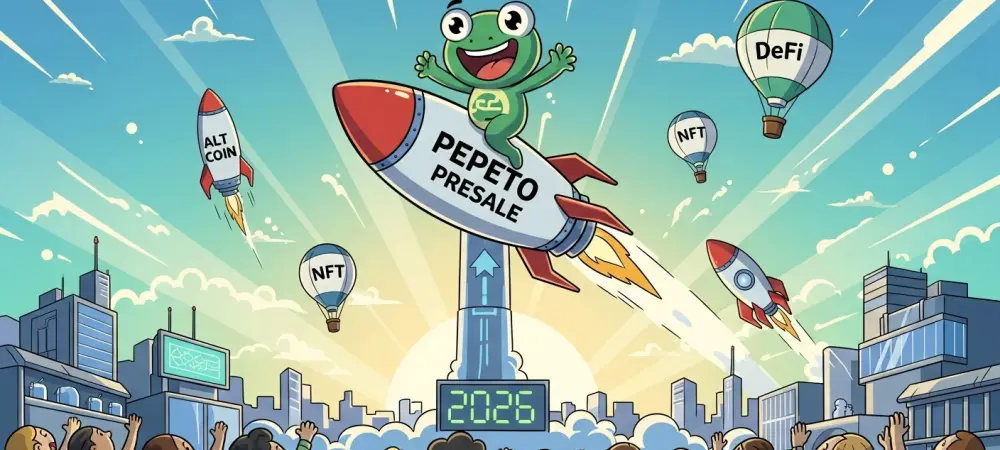
The contemporary cryptocurrency landscape has undergone a profound transformation as investors pivot from speculative assets toward platforms that integrate robust financial infrastructure with cultural relevance. At the heart of this evolution is Pepeto, a decentralized finance (DeFi) ecosystem that has rapidly become the most discussed presale of the current year. By surpassing a massive $7.85 million funding milestone, the project has successfully captured the attention of both retail traders and institutional players. This movement explores the multifaceted reasons behind the dominance of Pepeto, examining how the project bridges the gap between viral appeal and functional stability to set a new standard for digital asset launches.
From Meme Culture to Institutional Infrastructure
To understand the current success of the project, one must look at the historical trajectory of the meme coin phenomenon and the subsequent demand for decentralized exchanges. In previous market cycles, projects often relied solely on community hype, frequently lacking the technical foundation to survive long-term volatility. This lack of substance often led to rapid declines once the initial excitement faded. However, the market has matured significantly, demanding that new entries provide more than just a recognizable logo or a clever social media campaign.
The project represents a sophisticated pivot in this narrative by drawing inspiration from viral predecessors while integrating high-level exchange architecture. It addresses historical criticisms of the DeFi space, specifically regarding high fees and fragmented liquidity across different blockchains. This transition from joke assets to utility-plus-culture assets is a defining shift that has paved the way for the leadership of Pepeto. By offering a platform that feels familiar yet performs like a professional trading suite, the project has tapped into a unique market niche that satisfies both the craving for community and the need for professional tools.
The Pillars of Pepeto’s Competitive Advantage
Proven Leadership: Strategic Institutional Ties
One of the most critical factors driving the presale is the high caliber of the founding team. The project is steered by the same visionary co-founder who previously scaled the Pepe token to a $7 billion market capitalization, ensuring a deep understanding of community growth and market dynamics. This expertise is further bolstered by the involvement of a former Binance executive who manages strategic exchange listings. Such a combination of viral DNA and institutional experience provides a level of credibility rarely seen in the early stages of a project.
For professional investors, this leadership structure significantly mitigates the typical risks associated with early-stage crypto ventures. It signals that the project is built for professional-grade scalability and global reach rather than short-term gains. The presence of experienced hands at the helm ensures that the roadmap is not just a list of promises but a series of achievable milestones. This professional oversight has been instrumental in securing large-scale capital inflows during the presale phases, as it provides a sense of security that is often missing in the volatile world of decentralized finance.
Revolutionary Architecture: Zero-Fee Trading and Cross-Chain Fluidity
The technical stack of the project aims to eliminate the primary friction points that hinder decentralized trading. By offering a zero-fee exchange architecture across Ethereum, BNB Chain, and Solana, the platform removes the cost barriers that often diminish trader profits. This is further enhanced by a proprietary zero-cost bridge, allowing for the seamless movement of capital between disparate blockchains. In a market where interoperability is often expensive and slow, this streamlined approach provides a significant competitive edge over established decentralized exchanges. The ecosystem is already primed for immediate high-volume activity upon its public debut, with over 1,500 projects backlogged for listing. This massive pipeline suggests that the exchange will not suffer from the liquidity issues that plague many new platforms. By providing a one-stop solution for cross-chain swaps without the burden of excessive gas fees or bridge costs, the project positions itself as the primary liquidity hub for the next generation of traders. This focus on efficiency reflects a deep understanding of the practical needs of the modern DeFi user.
AI-Driven Security: Risk Mitigation in DeFi
In an era where security breaches and fraudulent schemes have made investors cautious, the project has integrated an AI-enhanced security verification system. This tool performs real-time risk scoring for every token on the exchange, screening for vulnerabilities before they can affect users. By prioritizing safety through automated audits and transparent smart contracts—verified by firms like SolidProof—the platform addresses the trust deficit inherent in the decentralized world. This proactive approach to security is a departure from the “list first, ask questions later” mentality of many competitors.
This focus on safe trading not only protects the community but also makes the platform an attractive destination for high-frequency traders who require a secure environment for significant capital deployment. The integration of artificial intelligence ensures that the security protocols evolve alongside emerging threats, providing a dynamic defense mechanism. As a result, users can engage with new and trending tokens with a higher degree of confidence, knowing that a sophisticated layer of protection is constantly monitoring the integrity of the assets available on the platform.
Future Projections: Reshaping the Exchange Landscape
Looking ahead, the trajectory of the project suggests a broader shift toward product-first roadmaps in the cryptocurrency industry. As regulatory frameworks become more defined globally, projects that offer clear economic models are likely to outperform purely speculative tokens. The upcoming listing on Binance serves as a major catalyst that could redefine the valuation of the ecosystem. Experts predict that as the platform moves from the presale phase to a live exchange environment, its ability to generate passive income for holders will set a new benchmark for liquidity retention. The economic model, which includes substantial staking rewards and revenue-sharing mechanisms, creates a symbiotic relationship between the platform and its users. By distributing a portion of transaction fees back to the community, the project ensures that long-term holders are rewarded for the success of the exchange. This model shifts the focus from price appreciation alone to sustainable yield generation, which is a key requirement for institutional adoption. As the ecosystem matures, these financial incentives will likely serve as a powerful tool for maintaining market stability and user loyalty.
Strategic Takeaways for the Modern Investor
The dominance of the current presale offers several vital lessons for those navigating the market. First, the importance of informed capital cannot be overstated; projects led by industry veterans with proven track records offer a higher probability of sustained growth. Second, utility has become the new gold standard in the digital asset space. Features like zero-fee trading and AI-driven security are no longer considered optional extras but are expected by a more mature and discerning investor base.
For those looking to participate, the narrowing window of the presale emphasizes the necessity of early entry before exchange listings permanently reprice the asset. Leveraging high-yield staking early on remains one of the most effective strategies for maximizing returns in this new era of decentralized finance. The success of this project serves as a blueprint for future launches, highlighting that a combination of technological innovation, strategic leadership, and community engagement is the most effective path toward long-term market leadership.
Navigating the Final Stages of the Presale
As the project approached its global exchange debut, it stood as a testament to the power of combining cultural relevance with serious technological innovation. The project successfully navigated the complexities of the market by offering a comprehensive ecosystem that rewarded its community through both utility and financial incentives. While the digital asset market remained inherently volatile, the structured growth and institutional-grade security of the platform provided a compelling case for its long-term viability. The developers prioritized transparency and efficiency, which resonated deeply with a user base that had grown weary of opaque operations and high costs.
The transition from a speculative presale to a functional trading hub marked a significant milestone for the broader industry. By implementing a revenue-sharing model and a zero-fee structure, the project challenged existing norms and forced competitors to re-evaluate their own value propositions. Investors who recognized these shifts early were able to position themselves at the forefront of a new wave of decentralized utility. Ultimately, the success of the ecosystem demonstrated that the future of digital finance belonged to those who could balance the excitement of the community with the rigor of professional financial engineering.