

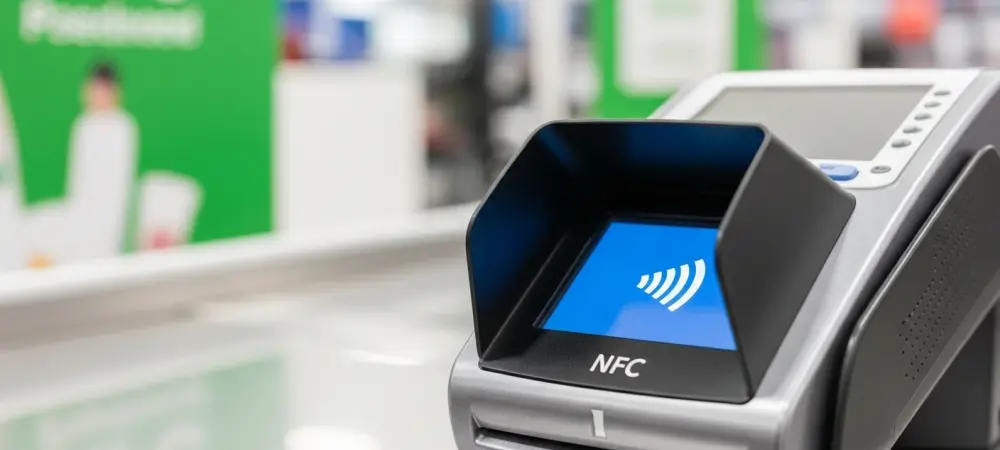
The End of the Publix Pay Era
The familiar green-and-white logos of Publix serve as a comforting landmark across the Southeastern landscape, yet a specific digital component of the shopping experience is currently being phased out as the company pivots toward a more traditional payment infrastructure. Starting March 19, the grocery giant is officially retiring Publix Pay, its proprietary mobile payment service. While most retail behemoths are doubling down on store-specific apps to lock in consumer data, Publix is making a rare strategic U-turn. This decision marks a significant shift in how one of the nation’s most successful grocers balances modern technology with the harsh realities of retail operations.
The move represents a major departure from the trend of “closed-loop” ecosystems that many competitors still favor. For years, the proprietary app allowed shoppers to store credit, debit, and gift card information, facilitating checkouts via a PIN-protected QR code. However, the operational landscape changed, and the company determined that maintaining a custom financial tool no longer aligned with its long-term efficiency goals.
The Friction Between Innovation and Security
In an era where frictionless is the ultimate retail buzzword, the proprietary payment app was supposed to be a win-win: faster checkouts for customers and valuable data for the brand. However, the rise of app-based payments introduced a blind spot in store security that many retailers are struggling to navigate. As the industry grapples with rising rates of inventory shrinkage—the polite term for theft and lost goods—the convenience of a QR-code-based checkout often comes at a steep price.
Publix’s move signals a broader trend where the hidden costs of digital convenience are finally outweighing the perceived benefits of a custom-built ecosystem. The company recognized that while mobile tools drive engagement, they can also complicate front-end management. By stepping back from its own payment hardware, the grocer is prioritizing a more controlled environment where traditional security measures remain effective.
Deconstructing the Decision: Costs, Risks, and Logistics
The discontinuation of Publix Pay was not a failure of technology, but rather a calculation of operational efficiency. One of the most significant hurdles was the verification gap at the exit door. When a customer pays via a proprietary app, it becomes difficult for floor staff to distinguish a paid transaction from an unpaid exit without physically stopping the customer to check a digital receipt. Implementing this level of oversight would have required additional labor, effectively neutralizing the speed and cost-savings the app was designed to provide.
Furthermore, the high-tech solutions required to automate this process, such as store-wide RFID tagging or complex geofencing, remained too expensive for high-volume grocery environments. The logistics of managing a separate payment gateway also involved significant maintenance costs and cybersecurity risks. Ultimately, the burden of managing a private financial network became less attractive than utilizing existing global standards.
Expert Perspectives on the Shrinkage Dilemma
Retail analysts suggest that the honor system inherent in many proprietary apps has become a liability. Without a physical barrier or a traditional cashier interaction, the risk of merchandise leaving the store unpaid increased significantly. Market experts pointed out that when a store has to choose between a custom app that facilitates theft and a universal standard like Apple Pay that utilizes hardware-level security, the universal standard won.
The consensus was clear: if a proprietary tool cannot integrate security with speed, it becomes a burden rather than an asset. Experts noted that third-party digital wallets provide a layer of encryption and biometric verification that individual retailers struggle to replicate on their own. By shifting the responsibility of transaction security to specialized tech firms, Publix reduced its own risk profile while maintaining the convenience of contactless payments.
Navigating the Shift: What Shoppers Need to Know
For loyal Publix shoppers, the transition away from the dedicated payment app does not mean a return to the swipe and sign days of the past. The grocery chain refocuses its tech stack on established, secure, and widely adopted standards to ensure a seamless experience. Shoppers are encouraged to use Apple Pay, Google Pay, or Samsung Pay, which will continue to be accepted at all registers. These third-party wallets offer superior hardware-level encryption that protects both the retailer and the consumer.
Additionally, customers using home delivery or curbside pickup now process payments directly through the Publix website rather than the defunct payment app. While the payment feature vanished, the core Publix app remained a hub for digital coupons and weekly ads, successfully separating loyalty rewards from the actual financial transaction. This strategic pivot ensured that inventory control remained a priority while the company leaned into standardized contactless technology. Managers observed that the streamlined approach reduced checkout confusion and allowed employees to focus on customer service rather than digital troubleshooting. Through this change, the retailer prioritized long-term stability over the novelty of a proprietary ecosystem.