

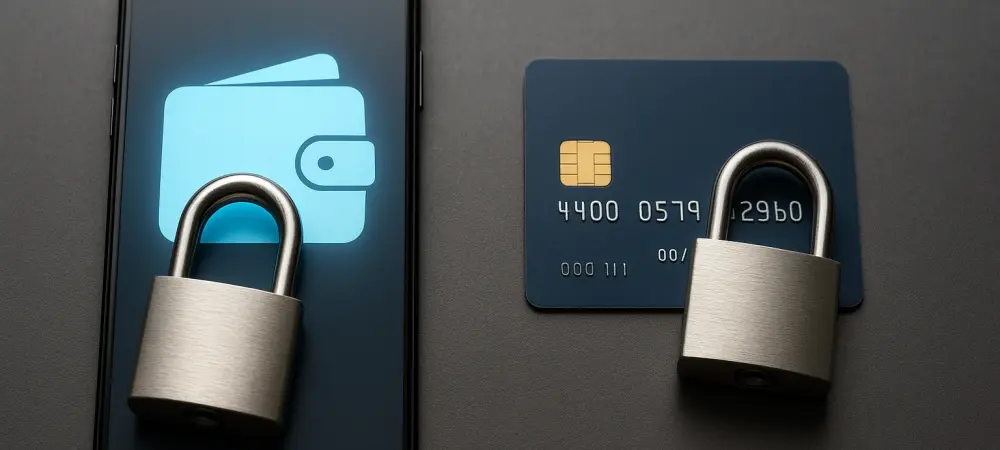
The persistent vulnerability of magnetic stripes and physical chip cards has finally reached a tipping point where traditional plastic feels more like a liability than a tool for modern commerce. While a physical wallet can be easily lifted from a pocket or left behind at a restaurant, the smartphones and wearables of today provide a multi-layered fortress that is significantly more difficult for criminals to penetrate. The sheer volume of identity theft cases linked to physical card skimming or basic theft has forced a massive migration toward encrypted digital alternatives that prioritize the user’s data privacy above all else. This transition is not merely about the convenience of carrying fewer items, but about adopting a sophisticated security architecture that renders stolen hardware essentially useless. By shifting the focus from physical possession to biometric verification, the industry is effectively neutralizing the oldest tricks in the fraudster’s playbook.
Biometric Infrastructure and Hardware Integrity
Authentication Protocols: The First Line of Defense
The most immediate security advantage of a digital wallet involves the mandatory requirement for active biometric or passcode-based authentication for every single transaction attempted by the user. Unlike a standard credit card that can often be tapped or swiped at a point-of-sale terminal without any secondary verification for small amounts, a digital wallet requires a face scan or fingerprint. Even when utilizing secondary devices like an Apple Watch or a Google Pixel Watch, the security remains exceptionally tight because these gadgets are designed to lock instantly the moment they lose contact with the skin. Once a watch is removed from the wrist, the payment functionality is disabled until a PIN is manually entered, ensuring that a lost or stolen wearable cannot be used for unauthorized shopping sprees. This hardware-level integration creates a massive hurdle for opportunistic criminals who might find a lost phone but lack the biometric data to unlock the payment modules inside.
Secure Enclaves: Protecting Data at the Hardware Level
Beyond the basic lock screen, these digital systems utilize secure enclaves within the device’s processor to isolate sensitive financial data from the rest of the operating system’s functions. This architectural separation means that even if a phone is infected with malware or a malicious application, the payment credentials remain stored in a vault that is inaccessible to standard software processes. Furthermore, the reliance on Face ID or Touch ID significantly reduces the risk of social engineering or shoulder surfing where a criminal might observe a user entering a PIN at a register. Since the authentication happens locally on the device and is never transmitted over a network, the biometric data itself is never at risk of being intercepted during a transaction. This proactive approach to identity verification transforms the mobile device into a personalized security token tied to the owner, providing a degree of certainty that physical cards simply cannot match.
Strategic Advantage in Data Handling
Tokenization Systems: Neutralizing the Threat of Breaches
A critical technological shift that has redefined financial security is the implementation of tokenization, which replaces sensitive card numbers with non-repeating digital identifiers. When a transaction is initiated via a digital wallet, the actual sixteen-digit credit card number is never shared with the merchant or transmitted across the payment network during the process. Instead, a unique token is generated for that specific transaction, accompanied by a one-time dynamic security code that is only valid for a single use. This means that if a merchant’s database is compromised in a large-scale data breach, the information captured by hackers is entirely useless for making future purchases because those tokens cannot be reused elsewhere. This layer of abstraction effectively decouples the user’s permanent financial account from the vulnerability of individual retail environments, ensuring that a security failure at a single store does not lead to a total account compromise.
Remote Management: Controlling Access From Afar
Transitioning to a digital-first payment strategy proved to be a decisive move for individuals seeking to minimize their exposure to the evolving landscape of cyber and physical fraud. By auditing their current financial tools and prioritizing platforms that supported robust tokenization, users successfully mitigated many of the risks that had plagued traditional banking for decades. The proactive adoption of biometric security measures and remote management protocols became the recommended standard for anyone handling sensitive financial information in a mobile environment. Moving forward, the focus remained on integrating all remaining physical documents, such as government IDs and insurance cards, into these secure digital frameworks to further reduce physical vulnerabilities. Ensuring that secondary authentication was always active and that recovery accounts were securely managed allowed consumers to navigate the commercial world with a higher degree of confidence and safety.