

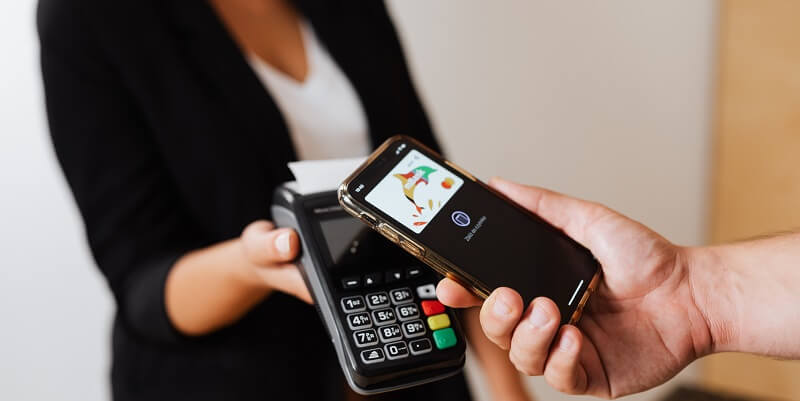
In the digital age, mobile wallets have emerged as popular alternatives to traditional banking, revolutionizing the way we make payments. This article delves into the world of mobile wallets, highlighting their advantages, security measures, integration capabilities, and the changing landscape of traditional banking. Furthermore, it explores the driving factors behind the shift towards digital payments, with a focus on the influence of millennials and the importance of considering security, convenience, and individual financial needs when choosing between mobile wallets and traditional banking.
Advantages of mobile wallets
One of the reasons behind the growing popularity of mobile wallets is their immense convenience. By allowing users to store their payment information on their smartphones or wearable devices, mobile wallets eliminate the need to carry physical cards or cash. This transformative technology enables contactless transactions, providing users with fast and seamless payment experiences. With just a few taps on their screens, users can make purchases at various establishments, making transactions quicker and more efficient. Accessibility is another significant advantage of mobile wallets. Unlike traditional banking, which often requires physical visits to a bank branch, mobile wallets are accessible anytime and anywhere, as long as users have their smartphones with them. This accessibility makes mobile wallets particularly beneficial for individuals who are constantly on the go or prefer managing their finances electronically.
Security measures of mobile wallets
Concerns regarding security when it comes to digital transactions are crucial. Mobile wallets have addressed these concerns by implementing robust security measures. Transactions made through mobile wallets are secured through encryption and tokenization techniques, making it extremely challenging for hackers to decipher users’ payment information. Additionally, mobile wallets often incorporate biometric authentication methods, such as fingerprint or facial recognition, to provide an extra layer of protection.
Integration of mobile wallets
Mobile wallets offer more than just a convenient payment method; they seamlessly integrate with other digital services, enhancing the overall user experience. By linking loyalty cards and ticketing systems, mobile wallet users can effortlessly access and utilize these services within the same platform. This integration simplifies everyday interactions, eliminating the need for multiple physical cards and streamlining various aspects of daily life, ranging from public transportation to loyalty program rewards.
Role of traditional banks
Despite the rise of mobile wallets, traditional banks still play a vital role in the financial ecosystem. With their longstanding reputation for trustworthiness and security, traditional banks offer a wide range of complex financial services that mobile wallets may not provide. These services include personalized investment advice, mortgages, loans, and retirement planning. Traditional banks serve as reliable and established pillars of the financial sector, catering to individuals with more intricate financial needs and preferences.
Digital solutions offered by traditional banks
Recognizing the evolving consumer demands and technological advancements, traditional banks have embraced digital solutions to meet their customers’ expectations and stay competitive. Online banking software allows users to access their accounts, view statements, and make transactions from the comfort of their homes. Furthermore, mobile apps provided by traditional banks offer convenient access to accounts and services, enabling users to conduct their banking activities using their smartphones.
Shift towards digital payments
The growing popularity of mobile wallets has been a primary driver for the shift towards digital payments. As consumers increasingly seek fast, contactless payment options, mobile wallets have emerged as a convenient solution. Moreover, changing consumer behavior, influenced by the rise of e-commerce and online shopping, has propelled the adoption of digital payment methods. With the ease of online shopping, consumers require secure and efficient platforms to complete their transactions, leading to the rapid rise of mobile wallet usage.
Millennials and digital payment methods
Millennials, often referred to as digital natives, are more likely to adopt digital payment methods due to their exposure to new technologies from an early age. Growing up in an era of technological advancements, they are comfortable with using smartphones for various purposes, including managing their finances. The millennial generation’s preference for convenience, efficiency, and speed align perfectly with the capabilities provided by mobile wallets, contributing to their widespread adoption.
Choosing between mobile wallets and traditional banking
When deciding between mobile wallets and traditional banking, several factors should be considered. Security measures are of utmost importance to ensure the safety of sensitive financial information. Mobile wallets employ encryption, tokenization, and biometric authentication techniques, providing robust security. Convenience is another crucial aspect to consider, with mobile wallets offering anytime, anywhere access to transactions. Finally, users must assess their specific financial needs. While mobile wallets offer convenience, traditional banks still excel in providing more intricate financial services and personalized advice.
As technology continues to advance, mobile wallets have transformed payment experiences by offering convenience, accessibility, and enhanced security. The integration of various digital services further simplifies everyday interactions, providing users with a unified and seamless experience. Meanwhile, traditional banks strive to evolve and cater to changing consumer demands by offering online banking software and mobile apps. The shift towards digital payments is driven by the popularity of mobile wallets, changing consumer behavior, and the rise of e-commerce. As millennials emerge as key influencers in the digital payment landscape, individuals are encouraged to weigh the security measures, convenience, and specific financial needs when choosing between mobile wallets and traditional banking.