

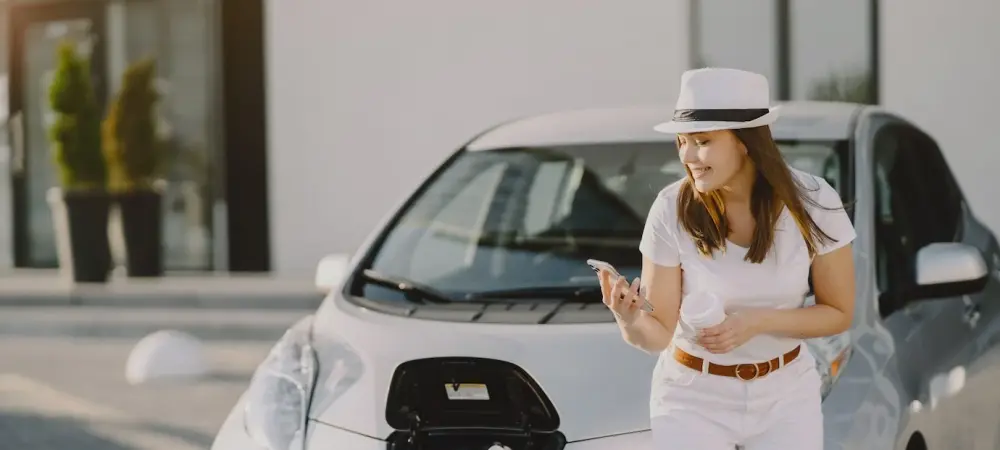
In the dynamic world of mobility, electric and autonomous vehicles have emerged as transformative forces with the potential to reshape the landscape of personal and commercial transportation. As these technologies evolve, so does the need for specialized insurance solutions that cater to their unique characteristics and risks. The introduction of The Plan Group’s new division, eavi, aims to innovate within this niche by providing comprehensive insurance products tailored to the electric and autonomous vehicle sectors. This endeavor seeks to bridge the gap between cutting-edge mobility technology and the current insurance industry’s capabilities, offering a glimpse into new possibilities for risk management and sustainability.
Current Landscape of Electric and Autonomous Vehicle Insurance
Market Data and Growth Trends
Electric and autonomous vehicles have seen substantial growth, with adoption accelerating as more consumers and businesses recognize their benefits. Recent market data underscores a notable increase in the number of electric vehicles on the road, paralleled by the gradual integration of autonomous technologies. These trends indicate a shift in consumer preferences and the growing demand for eco-friendly and innovative transportation solutions. As a result, insurance providers face the challenge of adapting to this transformed landscape, necessitating new models that address the distinct risks posed by these vehicles.
Real-World Applications and Case Studies
Globally, insurance models for electric and autonomous vehicles are evolving, with several innovative companies leading the way. For instance, certain insurers have pioneered specific products that consider factors unique to electric vehicles, such as battery life and charging infrastructure. Others focus on liability and safety concerns associated with autonomous driving technologies. These case studies illustrate how targeted strategies can effectively address the challenges inherent in insuring these cutting-edge vehicles, thereby reshaping the market and setting precedents for future innovation.
Expert Insights and Industry Perspectives
Industry experts offer invaluable insights into the complexities of insuring electric and autonomous vehicles. A significant challenge remains the perception of battery risks, particularly fire hazards, which influence manufacturers, retailers, and insurers alike. Thought leaders in the field agree that creating comprehensive policies for micro-mobility and autonomous vehicles, including drones, requires collaboration and adaptable policy structures. Such perspectives shed light on the crucial obstacles faced by the insurance sector and the implications these have for broader risk management practices.
The Future of Insurance in Electric and Autonomous Vehicles
The future of insurance for electric and autonomous vehicles holds promise, as upcoming developments aim to enhance adaptability and sustainability. Solutions that focus on lifecycle management, including reuse and recycling, are emerging, reflecting the industry’s move toward more sustainable practices. However, challenges such as regulatory approval and technology integration loom, impacting various industries connected to mobility and insurance. Analyzing different scenarios for the trend’s evolution provides a comprehensive view of potential outcomes and the role collaboration will play in overcoming these hurdles.
Conclusion and Call to Action
As the sector progresses, the integration of electric and autonomous vehicles into society signals a critical inflection point for the insurance industry. Insurers need to adapt to this shift, implementing innovative strategies that align with advancements in technology and sustainability. These efforts invariably shape the approach to risk management, offering stakeholders an opportunity to redefine industry standards. Stakeholders are encouraged to explore proactive measures and collaboration with tech platforms to propel the market toward a future that embraces technological integration and nuanced risk solutions.