

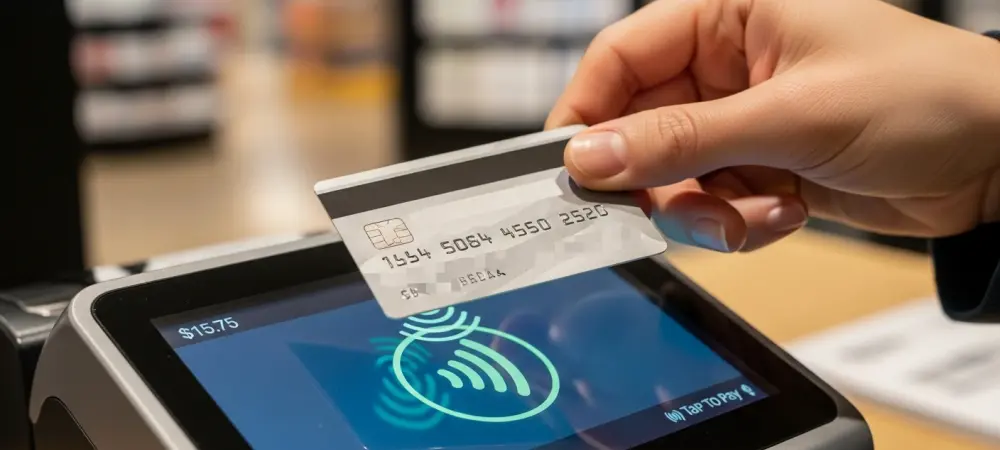
A crowd swells at a turnstile and a concealed reader brushes pockets in passing, a tap no one sensed yet a charge appears hours later, making digital pickpocketing feel less like fiction and more like a proximity tax hidden in plain sight. The trend under scrutiny is “ghost tapping,” the claim that bad actors can trigger small contactless transactions from inches away in tight spaces.
Convenience drove contactless adoption; proximity now tests its trade-offs. The same near-field magic that speeds a line can, under the wrong conditions, enable stealthy microcharges that slip by unnoticed and feed larger fraud.
This analysis traces the growth signals, examines plausibility, weighs expert views, outlines defenses, and sketches near-term and longer-run implications for payments and crowded venues.
Trend Signals: Adoption Growth and Field Evidence
Payments data from EMVCo and major networks point to steady gains in tap usage across retail, transit, and live events. As NFC cards and devices saturate wallets, merchant acceptance normalizes contactless behavior at high-traffic touchpoints.
Fraud telemetry lags the headlines, yet patterns are suggestive. Microtransaction testing has risen, tap limits keep flows fast, and incident taxonomies often blur card-present taps with online spillovers, complicating counts.
Data Picture: Contactless Momentum and Fraud Indicators
Issuers report more NFC-enabled cards in market and higher tap shares per active account, with transit and quick-serve categories leading frequency. Acceptance at stadiums and festivals expands the high-density surface area. Meanwhile, watchdogs cite clusters of tiny charges, ambiguous merchant descriptors, and underreporting to bodies like the FTC and FBI IC3. The strongest red flags are repeated small declines followed by a low-value success.
On-the-Ground Examples and Plausibility Checks
A Better Business Bureau demo showed how a pocketable reader could be concealed and positioned within inches in a surge. Festivals, arenas, and parades offer cover, noise, and motion that mask close approach. The proposed playbook is pragmatic: skim for proximity, seed microcharges to test viability, then pivot to online use or resale. Alerts that label “tap” events users did not perform provide early scrutiny points.
Mechanics and Exposure: How Ghost Tapping Would Work
NFC’s range spans millimeters to a few centimeters; inches are feasible with deliberate placement and momentary contact in motion. Timing windows are short, and terminal prompts can add friction that thwarts casual attempts. Cards differ from devices. Passive cards respond without user authentication, while phones and watches hold tokens until biometrics or a passcode unlocks them. Tokenization further limits reuse, especially when dynamic cryptograms bind data to a single tap.
NFC Basics and Transaction Flow
Tap limits and occasional offline approvals prioritize speed, but they also create narrow lanes to probe. Merchant category codes and clearer descriptors help banks tune controls and post recognizable statements.
What can be captured is bounded: tokenized device payments resist reuse, and even card data exposed by NFC is often insufficient without other factors. That narrows payoff unless attackers chain methods.
Conditions That Increase or Decrease Risk
Crowd density, jostling, and low lighting raise exposure by normalizing close contact. However, precise alignment and brief timeouts constrain attackers, and receipts or declines can draw attention. Defenses already in pockets matter. Locked wearables, RFID-shielding sleeves, and real-time issuer or wallet alerts add protective friction that interrupts or flags suspicious taps.
Expert and Stakeholder Perspectives
Consumer advocates emphasize vigilance over panic, urging scrutiny of microcharges and quick disputes with clear documentation. Cybersecurity specialists judge the setup feasible but note scarce, confirmed law-enforcement cases.
Banks and networks point to liability protections and encourage tokenized wallets, while police seek timely reports to pattern-match venues and times. Venue operators increasingly fold staff training and signage into event operations.
Defensive Playbook and Impact Pathways
The most effective consumer move is to pay with authenticated devices rather than bare cards. Lock screens, enable tap alerts, and use shielding in crowds to reduce casual exposure. If compromise is suspected, lock the card, dispute immediately, and file with the BBB, FTC, and FBI IC3, noting locations and time windows. Swift action limits loss and sharpens signal quality for investigators.
Practical Protections for Consumers
Daily or weekly account checks catch low-value tests before they escalate. Treat any unlabeled or unfamiliar small tap as a trigger to investigate, not a rounding error. Managing venue risk is collaborative; attendees bring locked devices, while on-site teams deter close-contact probing through flow design and visible oversight.
Ecosystem Responses and Policy Options
Issuers can tighten anomaly models for repeated small taps and improve merchant descriptors. Networks can refine offline controls, calibrate tap limits, and expand tokenization mandates across categories.
Device makers can keep wallets locked by default and nudge users toward alerts, while regulators can standardize NFC-fraud taxonomies to illuminate true incident rates.
What’s Next: Outlook, Scenarios, and Implications
Contactless use will continue expanding in transit, retail, hospitality, and live events, sustaining an attractive but manageable surface. More public demos will sharpen both consumer awareness and adversary tactics. Over time, authenticated, tokenized devices and better microcharge analytics should depress returns for ghost tappers. In parallel, card hardware and standards may evolve to favor tighter proximity coupling and stricter unattended flows.
Key Takeaways and Call to Action
Ghost tapping remained technically plausible yet unevenly documented, with microtransactions serving as the steadiest early signal. Authenticated mobile wallets materially cut practical risk in crowds.
Next steps centered on simple, high-yield moves: use locked devices, turn on alerts, shield cards, review statements, and report quickly. Industry partners advanced tokenization, anomaly detection, and transparency to keep convenience intact without ignoring proximity risk.