

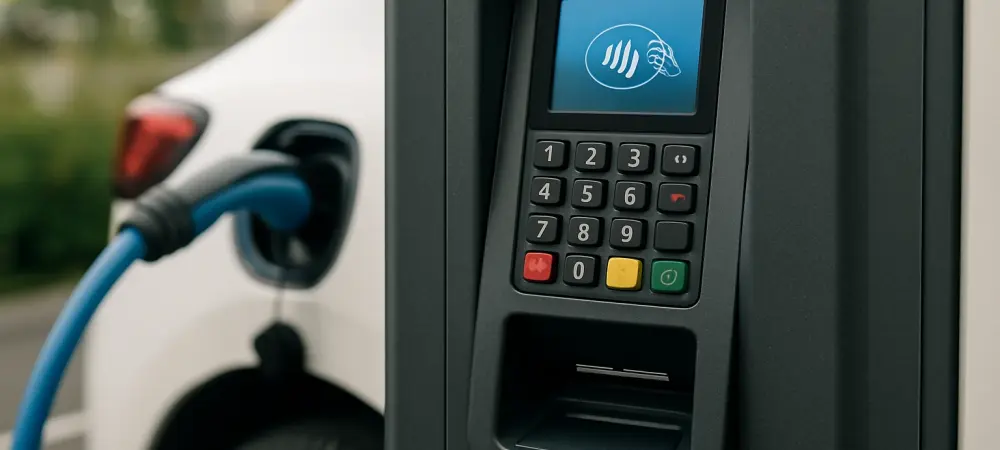
Imagine a world where charging an electric vehicle (EV) is as simple as tapping a card or phone at any station, anywhere, without juggling multiple apps or memberships. With EV adoption surging globally, the demand for seamless, user-friendly charging solutions has never been more pressing. Open payment systems are emerging as a game-changer, promising to simplify transactions and enhance accessibility for millions of drivers. This analysis dives into the rise of these systems, spotlighting a groundbreaking draft solution by EMVCo, exploring industry trends, sharing expert perspectives, and evaluating the future implications for global mobility.
The Surge of Open Payment Systems in EV Charging
Expansion and Market Adoption
The global EV market is experiencing unprecedented growth, with millions of vehicles on the road and projections indicating a steep rise over the next few years. According to recent industry reports, the number of electric vehicles worldwide is expected to double by 2027, creating an urgent need for robust charging infrastructure. This rapid expansion underscores the critical role of accessible payment solutions that can keep pace with demand and support diverse user needs across regions.
Alongside this growth, the adoption of open payment systems in EV charging is gaining momentum. Studies suggest that interoperable payment technologies are being integrated into over 30% of new charging stations in key markets, reflecting a shift toward standardized solutions. Such systems eliminate barriers like region-specific payment methods, making charging more inclusive for international travelers and local users alike, and paving the way for broader EV acceptance.
A pivotal development in this space is EMVCo’s draft proposal for an open payment framework, which aims to unify transaction processes across charging networks. By focusing on interoperability, this initiative addresses a core challenge in the EV ecosystem—fragmented payment experiences—and sets a foundation for scalable market growth. The emphasis on universal standards could significantly boost confidence among manufacturers and operators to invest in compatible infrastructure.
Practical Implementations and Key Initiatives
One of the most notable advancements is EMVCo’s “EV Open Payments Use Case” draft, which introduces the integration of EMV Secure Remote Commerce (SRC) technology. This approach streamlines digital transactions by ensuring they are secure, consistent, and intuitive for users. The framework is designed to work within the ISO 15118 Plug and Charge standard, allowing EVs and charging stations to communicate seamlessly during payment processes.
This compatibility with existing systems means that minimal hardware changes are required, a significant advantage for EV manufacturers and charging station operators. The focus on backend integration rather than physical upgrades reduces deployment costs and accelerates the rollout of open payment options. As a result, the technology promises to be both practical and efficient for widespread adoption in diverse markets.
The real-world impact of such a system is transformative—drivers could charge their vehicles at any compatible station with a simple card tap or digital wallet, bypassing the need for multiple subscriptions or apps. Picture a cross-country road trip where payment hurdles are nonexistent, regardless of the charging network. This level of convenience could redefine user expectations and encourage more individuals to transition to electric mobility.
Industry Voices on Open Payment Innovations
Expert opinions highlight the transformative potential of open payment solutions for EV charging. Patrik Smets, EMVCo Executive Committee Chair, has emphasized the importance of convenience and choice, noting that drivers should be able to pay effortlessly at any station without prior merchant relationships. This user-centric approach is seen as a cornerstone for building trust and encouraging EV adoption on a global scale.
Collaboration is another key theme, with EMVCo partnering with prominent organizations such as the Car Connectivity Consortium, CharIN, ISO, and the Secure Technology Alliance. These alliances reflect a shared commitment to overcoming technical and operational challenges in payment integration. By pooling expertise, the industry is working toward a cohesive framework that ensures compatibility across different systems and regions.
Achieving global interoperability remains a priority, as it addresses fragmented payment experiences that can deter users. Industry consensus suggests that standardized solutions like EMV SRC technology can bridge gaps between diverse charging networks and payment platforms. This unified effort not only enhances the user experience but also simplifies compliance for operators navigating varied regulatory landscapes worldwide.
Future Prospects for EV Open Payment Frameworks
Looking ahead, the broader adoption of EMV SRC technology holds immense potential to standardize payment processes across global charging networks. As more operators integrate this solution, the vision of a unified payment ecosystem becomes increasingly achievable. This could lead to a network where drivers experience the same ease of transaction, whether charging in urban hubs or remote areas.
The benefits extend beyond user convenience to include cost-effective deployment for stakeholders. With minimal hardware modifications needed, manufacturers and operators can implement open payment systems without significant financial strain. This efficiency is crucial for scaling infrastructure rapidly to meet the growing demand for EV charging, particularly in emerging markets with limited resources.
However, challenges persist, including the need for comprehensive stakeholder input to refine frameworks like EMVCo’s draft before finalization. Barriers to global standardization, such as differing regional regulations and technological capabilities, must also be navigated carefully. Additionally, ensuring robust cybersecurity in open payment systems remains vital to protect users and maintain trust as adoption expands.
The broader implications of these developments are profound, supporting the transition to electric mobility by removing friction from the charging process. Enhanced user experiences could accelerate public acceptance of EVs, contributing to sustainability goals. As payment systems evolve, they may also inspire innovations in adjacent sectors, such as smart transportation and urban planning, creating a ripple effect across industries.
Final Thoughts on EV Charging Payment Evolution
Reflecting on the journey, the push for open payment systems in EV charging marks a significant stride in addressing user needs and industry challenges. EMVCo’s draft stands as a beacon of innovation, championing interoperability and ease of use. Industry collaboration underscores a collective resolve to build a seamless payment ecosystem that supports the global shift to electric mobility.
Looking back, the focus on minimal infrastructure changes and cost efficiency paved the way for scalable solutions that benefited both operators and drivers. Moving forward, the emphasis shifts to actionable steps like fostering dialogue among stakeholders to refine standards and address regional disparities. Prioritizing cybersecurity and user education emerges as a critical consideration to sustain momentum and ensure long-term success in this dynamic landscape.