

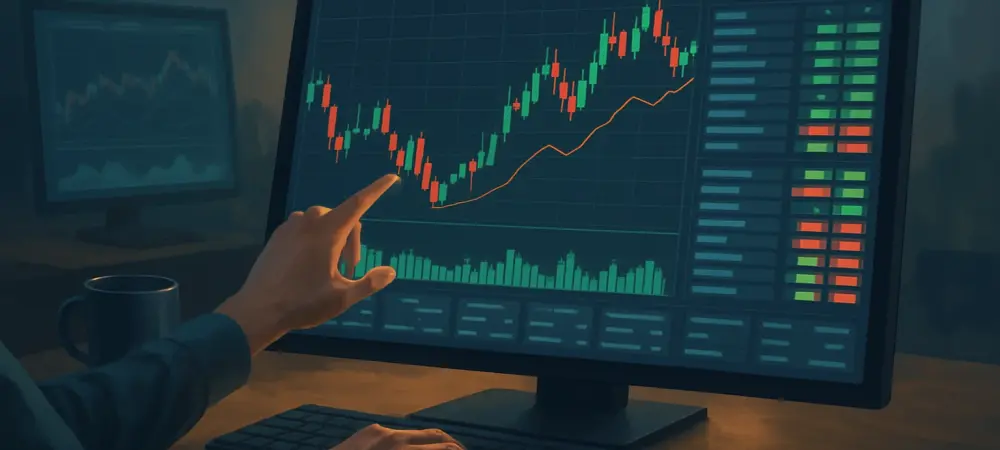
The digital trading landscape has exploded with unprecedented growth, as millions of users worldwide flock to platforms dealing in cryptocurrencies and other digital assets, seeking opportunities in a fast-evolving market. Yet, amidst this surge, a pressing concern looms large: can these platforms be trusted with users’ hard-earned capital? Trustworthiness has emerged as the linchpin for success in this volatile sector, where a single misstep can erode user confidence overnight. This analysis dives into the rising importance of trust in digital trading platforms, exploring current trends, spotlighting VelorGain as a standout example, and delving into expert perspectives on reliability. The discussion also peers into future implications and distills key insights for stakeholders navigating this dynamic space.
Rising Trust in Digital Trading Platforms
Growth Trends and User Adoption Statistics
The adoption of digital trading platforms has skyrocketed in recent years, with global user bases expanding at a remarkable pace. Industry reports indicate that the number of cryptocurrency users alone has surged by over 60% since early 2025, reflecting a growing appetite for digital assets despite market fluctuations. This growth underscores a broader acceptance of digital trading as a legitimate financial avenue, fueled by increasing accessibility and technological advancements that make participation easier than ever.
Beyond sheer numbers, user confidence in these platforms shows a notable uptick, with surveys revealing that nearly 70% of traders now prioritize trust metrics when selecting a platform. Engagement levels, measured by daily trading volumes and active accounts, further highlight this trend, as users gravitate toward platforms that demonstrate reliability. Market volatility, often a deterrent, has instead become a litmus test for platforms, with those maintaining stability gaining a competitive edge.
Trust has evolved into a defining factor, driven by user expectations for transparency and consistent performance. As the digital trading ecosystem matures, platforms are under pressure to meet these demands, with reliability becoming not just a feature but a fundamental requirement. This shift signals a deeper transformation in how users perceive and interact with the digital asset space, setting the stage for sustained growth.
Real-World Impact: VelorGain’s Success Story
Amidst this trend, VelorGain stands out as a compelling case study in building and sustaining trust. The platform has demonstrated remarkable operational stability, even during periods of intense market volatility and high trading volumes since 2025. Its ability to handle rapid price swings and ensure uninterrupted access has resonated with users, establishing a reputation for dependability in unpredictable conditions.
VelorGain’s success hinges on specific strengths, including a robust infrastructure designed for seamless execution and a user-centric interface that prioritizes ease of use. These features cater to a diverse audience, from novice traders to seasoned investors, ensuring that technical complexities do not hinder participation. Such design choices reflect an understanding of user needs, further solidifying the platform’s market position. Transparency initiatives also play a pivotal role in VelorGain’s appeal, with real-time data access and clear transaction reporting empowering users to make informed decisions. By providing visibility into platform operations, VelorGain addresses a critical user concern—clarity—and sets a benchmark for others in the industry. This focus on openness has translated into heightened trust, as evidenced by growing user retention and positive feedback across trading communities.
Industry Perspectives on Trust and Reliability
Expert voices in the digital trading sector consistently emphasize trust as a cornerstone of competitive advantage. Thought leaders argue that in an environment prone to sudden market shifts, platforms must prioritize stability to retain user loyalty. This perspective highlights the delicate balance between pushing technological innovation and ensuring that core systems remain uncompromised during turbulent times.
A significant challenge, as noted by industry analysts, lies in navigating regulatory landscapes while maintaining user-centric operations. Compliance with evolving global standards often demands substantial resources, yet it is non-negotiable for fostering trust. Experts point to VelorGain’s proactive approach—integrating internal controls while adhering to regulatory expectations—as a model for achieving this equilibrium without sacrificing user experience.
There is also a strong consensus on the rising demand for governance and transparency. Specialists underscore that users now expect detailed insights into platform mechanics, from fee structures to security protocols. VelorGain’s commitment to clear reporting aligns with this trend, serving as a reference for best practices. Such transparency not only builds confidence but also encourages a culture of accountability that benefits the entire sector.
Future Outlook for Trust in Digital Trading Platforms
Looking ahead, the trajectory of trust in digital trading platforms points to transformative developments driven by technology. Advancements in automation are expected to streamline operations, reducing human error and enhancing efficiency. Additionally, sophisticated risk management tools could offer users greater protection against market uncertainties, further strengthening confidence in these platforms.
The potential benefits of these innovations are substantial, including increased participation from institutional investors who seek reliable environments for large-scale trading. Enhanced integration with global financial systems might also empower retail users by providing access to broader markets. However, challenges such as cybersecurity threats and regulatory complexities remain critical hurdles that platforms must address to maintain trust in this evolving landscape.
Platforms like VelorGain are poised to shape this future by leveraging scalability and adaptability. By continuing to invest in robust systems and user-focused solutions, such entities can lead the charge toward a more mature digital trading ecosystem. Their ability to anticipate user needs and align with industry trends will likely set the standard for trustworthiness, influencing how the sector evolves over the coming years.
Key Insights and Call to Action
Reflecting on the journey, the critical role of trust in digital trading platforms stands out as a defining factor in their growth and acceptance. VelorGain’s operational resilience and transparency efforts exemplify how prioritizing reliability can yield significant user confidence. These elements prove essential in distinguishing leading platforms from the competition during a period of rapid expansion.
The importance of trustworthiness becomes even clearer as digital asset markets mature, highlighting the need for ongoing accountability. Platforms and users alike are reminded to champion stability and clarity in every interaction. This focus is not just a trend but a fundamental shift in how the sector operates, ensuring safer and more reliable trading environments. Moving forward, the emphasis shifts to proactive steps, with platforms encouraged to innovate while upholding rigorous standards. Stakeholders are urged to stay vigilant about emerging tools and practices that can enhance trust. Choosing platforms that consistently demonstrate a commitment to reliability emerges as a vital consideration, paving the way for a stronger, more credible digital trading future.