

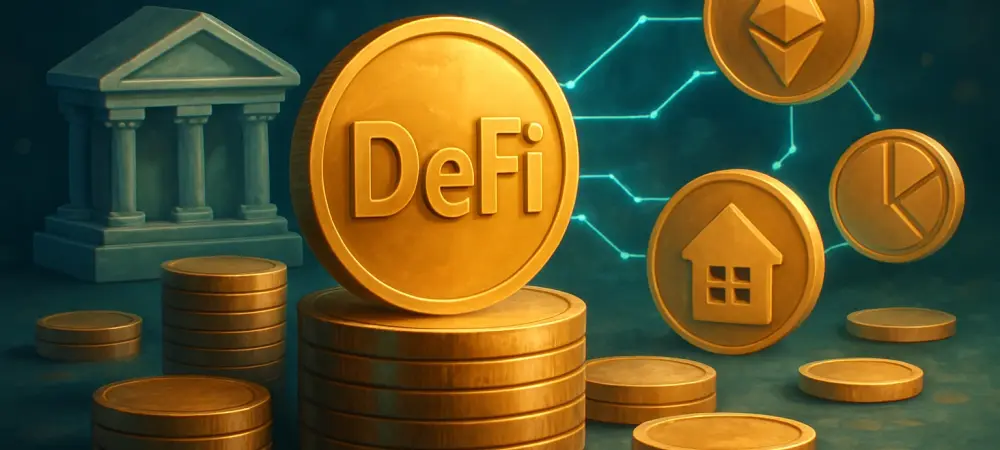
The financial world is undergoing a seismic shift as decentralized finance (DeFi) redefines how value is accessed and exchanged, particularly through the groundbreaking practice of asset tokenization. This transformative process, which converts ownership of real-world assets into digital tokens on a blockchain, serves as a bridge between traditional finance and the digital realm. By unlocking liquidity for assets that were once illiquid and opening investment opportunities to a broader audience, tokenization is reshaping the economic landscape. This analysis delves into the latest innovations in DeFi, spotlighting pioneering platforms like PayDax Protocol, while exploring market trends, technological advancements, and the future potential of this dynamic sector.
The Rise of Asset Tokenization in DeFi
Market Growth and Adoption Trends
Asset tokenization within DeFi has witnessed exponential growth over recent years, with the market value of tokenized real-world assets (RWAs) surging to new heights. Industry reports indicate that the total value of tokenized assets has expanded significantly since 2025, with projections estimating a compounded annual growth rate of over 30% through 2027. This rapid ascent reflects growing confidence among both institutional and retail investors in the security and efficiency of blockchain-based solutions.
A key driver of this trend is the increasing adoption by traditional financial entities, as evidenced by the integration of tokenized assets into mainstream vehicles like exchange-traded funds (ETFs). The intersection of DeFi with conventional systems has fueled broader acceptance, with major financial institutions now exploring tokenized bonds, real estate, and commodities. Such developments signal a pivotal shift, positioning tokenization as a cornerstone of modern investment strategies.
Beyond institutional interest, individual investors are also flocking to DeFi platforms that offer fractional ownership of high-value assets. This democratization of access, supported by robust blockchain infrastructure, underscores why tokenized RWAs are becoming a dominant force in the financial ecosystem. The momentum shows no sign of slowing, as more players recognize the potential for enhanced liquidity and diversified portfolios.
Real-World Applications and Case Studies
Tokenization is not merely a theoretical concept but a practical solution already transforming how assets are managed. A prime example is PayDax Protocol, a DeFi platform that enables users to tokenize physical assets such as luxury goods, including watches and gold, to access immediate liquidity. This innovation addresses a critical pain point for asset owners who seek capital without relinquishing ownership of their valuable holdings.
Consider a scenario where an individual owns a luxury watch valued at $100,000. Through PayDax, they can tokenize this asset and secure a high loan-to-value (LTV) loan of up to 97% of its worth in stablecoins like USDT. This means accessing $97,000 in liquidity while retaining possession of the watch, a feat unattainable through traditional financial channels. Such mechanisms illustrate how tokenization empowers users with flexible financial tools tailored to their needs.
Other DeFi projects are also making strides in RWA tokenization, extending its application across diverse sectors. Platforms focusing on real estate allow investors to own fractions of properties, while others tokenize fine art or precious metals, broadening the scope of investable assets. These varied use cases highlight tokenization’s versatility and its capacity to redefine ownership and investment in tangible goods.
Expert Perspectives on DeFi and Tokenization
Industry analysts and blockchain thought leaders consistently emphasize the revolutionary potential of asset tokenization within DeFi. Many experts point to its ability to create a more inclusive financial system by lowering entry barriers for investors who were previously excluded from high-value markets. This sentiment is echoed in discussions around how tokenization can fundamentally alter wealth distribution and access to capital.
However, challenges remain a focal point of expert commentary, with regulatory uncertainty often cited as a significant hurdle. The evolving nature of global compliance frameworks poses risks to widespread adoption, alongside concerns over scalability and cybersecurity in DeFi platforms. Despite these obstacles, thought leaders remain optimistic, advocating for collaborative efforts between innovators and policymakers to address these issues effectively.
Platforms like PayDax Protocol frequently receive positive mentions in expert circles for their innovative approaches to RWA tokenization. Endorsements often highlight the platform’s robust security measures, such as partnerships with industry leaders for asset valuation and storage, as well as its potential to scale within the DeFi space. This consensus reinforces confidence in tokenization as a viable pathway toward reshaping financial infrastructures worldwide.
Future Outlook for Asset Tokenization in DeFi
Looking ahead, asset tokenization holds the promise of creating a profoundly inclusive and liquid financial ecosystem where barriers to entry are minimized. The ability to fractionalize ownership of diverse assets could enable millions to participate in markets previously reserved for the elite, fostering economic empowerment on a global scale. This vision aligns with the core ethos of DeFi, prioritizing accessibility and transparency.
Emerging developments further bolster this outlook, including strategic partnerships between DeFi platforms and traditional institutions that lend credibility and resources to the sector. Advancements in blockchain technology, such as improved interoperability and faster transaction speeds, are also poised to enhance the efficiency of tokenized systems. Additionally, evolving regulatory frameworks are expected to provide clearer guidelines, potentially accelerating mainstream integration over the coming years.
Nevertheless, challenges like security vulnerabilities and market volatility must be navigated carefully to sustain growth. While risks persist, optimistic scenarios suggest that by addressing these concerns through innovation and collaboration, tokenization could achieve widespread adoption within the next decade. The trajectory points toward a future where DeFi becomes an integral part of everyday financial interactions, driven by the transformative power of tokenized assets.
Conclusion: The Path Ahead for DeFi Innovations
Reflecting on the journey of asset tokenization in DeFi, it has become clear that this trend has significantly impacted liquidity, broadened investment access, and spurred financial innovation across multiple domains. The strides made by platforms like PayDax Protocol underscore the tangible benefits of bridging digital and physical assets, setting a precedent for others in the space. These advancements lay a strong foundation for reimagining how value is created and exchanged. Moving forward, stakeholders need to prioritize the development of secure, scalable solutions to maintain trust and momentum in this evolving landscape. Collaborative efforts to establish standardized regulations are deemed essential to mitigate risks and encourage broader participation. By focusing on these actionable steps, the DeFi community can ensure that tokenization continues to thrive as a catalyst for economic inclusion and opportunity.