

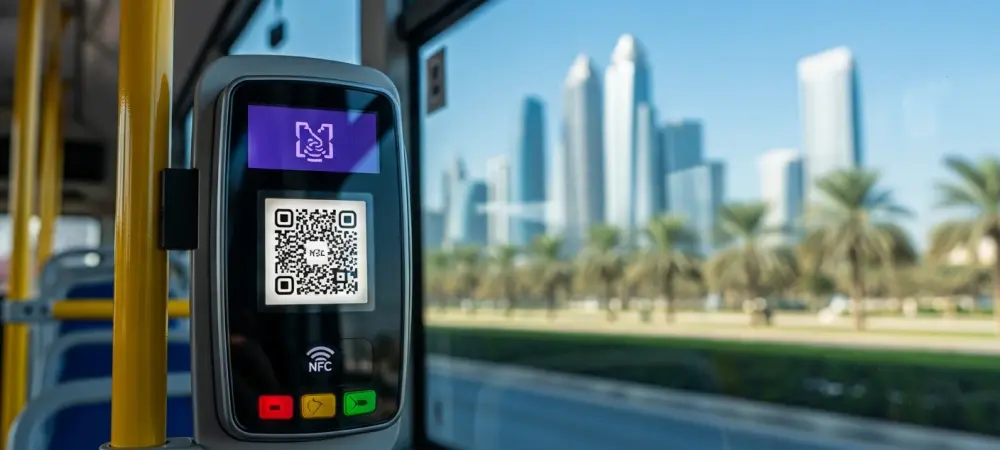
The daily rhythm of Latin American megacities is currently defined by a quiet yet powerful shift away from physical currency toward a streamlined, digital-first commuting experience at every turnstile. Public transportation has long served as the economic heartbeat of the region, yet a historic reliance on physical bills often stifled operational agility and restricted financial participation for millions of workers. Today, the rapid modernization of transit infrastructure serves as a primary gateway for broader fintech adoption, effectively bridging the gap between urban mobility and the digital economy for a diverse and growing population. This transition explores the shift from closed-loop to open payment systems, evaluates major infrastructure projects, and examines how technology reshapes the relationship between citizens and the city.
The Evolution of Open Payment Infrastructure and Regional Growth
Shifting Metrics: From Cash Dependency to Digital Integration
Recent data suggests a sharp decline in the traditional cash-only demographic, which previously hovered around twenty percent across the region. Authorities are aggressively replacing restrictive “closed-loop” cards with universal “open payment” systems that utilize Europay, Mastercard, and Visa standards. This transition allows commuters to pay for rides with existing debit cards or wearable devices, providing a level of convenience that was previously unimaginable in the public sector. The parallel rise of QR codes and mobile wallets in metropolitan hubs further accelerates the departure from physical ticketing, allowing for a more fluid movement of people across dense urban centers.
Strategic Implementations: Case Studies in Regional Modernization
Technological leaders like Indra are currently reshaping the landscape in Chile by developing advanced ticketing for Santiago’s Metro Line 7 and modernizing the Red Movilidad bus network. In Panama, Sonda is overhauling the metro system to facilitate open-loop payments, moving toward long-term contracts that integrate comprehensive financial management. Meanwhile, Colombia’s MIO system in Cali has successfully integrated major credit networks, and Argentina is expanding its SUBE system to support NFC technology across various bus lines. Ecuador has similarly unified Quito’s diverse transit modes through a singular electronic application ecosystem, ensuring that different modes of travel are connected under one digital roof.
Expert Perspectives on Financial Inclusion and Operational Efficiency
Industry specialists from firms such as Indra and Sonda emphasize that retrofitting legacy machinery for modern standards involves significant technical complexity but yields immense rewards for the public. Many analysts view contactless transit as a “Trojan horse” for financial inclusion, as it encourages unbanked individuals to enter the formal digital economy through a daily necessity. This shift provides a low-barrier entry point for citizens to engage with banking services, often for the first time in their lives.
Beyond social benefits, the removal of cash reduces the costs associated with physical handling and minimizes revenue leakage, allowing operators to reinvest savings into fleet expansion. Professional commentary suggests that as systems become more efficient, the reliability of the entire network improves, creating a virtuous cycle of increased ridership and better funding. By moving away from paper tickets, cities also reduce their environmental footprint and streamline the logistics of fare collection.
The Future Landscape of Smart Mobility and Connected Cities
The next phase of urban development points toward Account-Based Ticketing, where fare calculation occurs in the cloud rather than on a physical card, potentially incorporating biometric authentication. This evolution supports the broader vision of Smart Cities, where real-time transit data informs urban planning and helps reduce carbon footprints through optimized routing. Such data-driven approaches allow city planners to identify bottlenecks and adjust service levels in real-time, creating a more responsive transportation network. However, achieving this requires a concerted effort to address the digital divide in rural sectors and establish rigorous cybersecurity protocols to protect sensitive passenger financial information. As the transit ecosystem becomes more interconnected, the importance of robust data protection cannot be overstated. Anticipated developments also include the possibility of cross-border payment interoperability, allowing a traveler to use the same digital wallet in different countries across Latin America.
Synthesis and the Path Forward for Latin American Transit
The integration of digital payment systems into the public sector provided a foundation for a more inclusive and efficient regional economy. Governments and private entities prioritized the creation of interoperable networks that transcended city and national boundaries, ensuring that transit remained a catalyst for social mobility. Stakeholders focused on developing unified standards that allowed for seamless travel across diverse regions, ultimately transforming the way citizens interacted with their urban environment. This systemic shift toward smart mobility ensured that the region stayed competitive while fostering a more equitable financial landscape for all residents. Moving forward, the continued collaboration between fintech innovators and municipal leaders established a sustainable model for future urban growth and connectivity.