

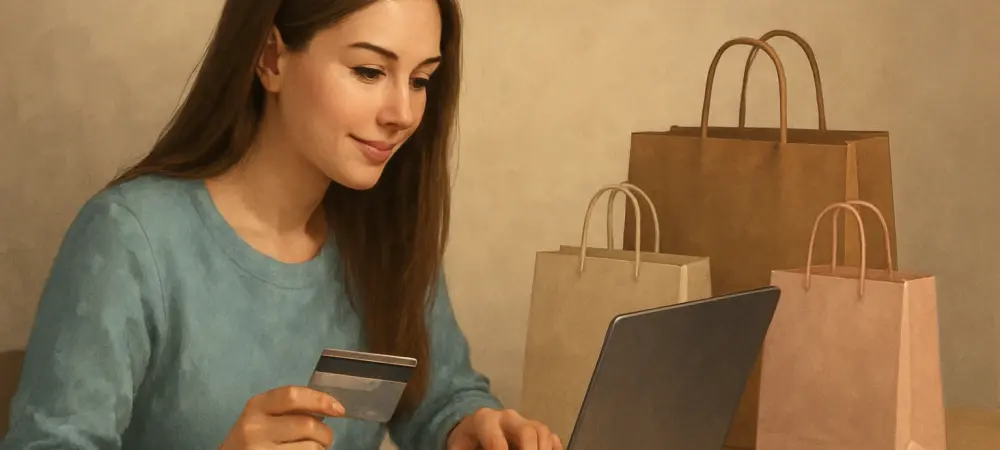
Picture a bustling holiday shopping season where nearly half of American consumers are opting for a payment method that lets them splurge on gifts without immediate financial strain, highlighting the growing popularity of Buy Now, Pay Later (BNPL) services. This trend has skyrocketed, transforming how people approach seasonal spending. A recent survey of 1,000 U.S. adults revealed that a significant portion of holiday shoppers are turning to BNPL to manage expenses, highlighting a shift in consumer behavior that prioritizes flexibility over traditional payment methods. This trend not only reflects changing financial habits but also raises questions about affordability and fiscal responsibility in an era of economic uncertainty.
The significance of BNPL cannot be overstated, as it redefines consumer finance during peak spending periods like the holidays. With economic pressures mounting, this payment option offers a lifeline for those seeking to spread costs over time, making larger purchases more accessible. Its growing relevance is evident in how it aligns with modern shopping needs, particularly among younger generations who value budget control. BNPL is more than a fleeting fad; it represents a fundamental change in how transactions are structured in today’s marketplace.
This analysis dives into the surge of BNPL usage during holiday shopping, explores the key demographics fueling its adoption, and examines the benefits it brings to merchants. It also addresses the potential risks for consumers and considers the future implications of this payment trend. By unpacking these layers, a clearer picture emerges of how BNPL is reshaping financial strategies for both shoppers and retailers in 2025.
The Rise of BNPL in Holiday Shopping
Explosive Growth and Consumer Adoption Trends
Data from a comprehensive survey of 1,000 U.S. adults underscores the meteoric rise of BNPL, with nearly half of holiday shoppers planning to use this service to navigate seasonal expenses. This statistic points to a broader movement toward alternative financing as a means of managing cash flow during high-cost periods. The appeal lies in the ability to defer payments, providing a buffer against the immediate impact of holiday spending and allowing consumers to prioritize affordability.
Further insights reveal generational divides in adoption, with younger cohorts leading the charge. Studies show that approximately 20% of Gen Z and Millennials intend to rely on BNPL for holiday purchases this year, a trend that builds on past preferences where Gen Z often chose BNPL over credit cards. This shift signals a departure from traditional credit, as these demographics seek out options that offer transparency and control without the burden of long-term interest.
The mainstream acceptance of BNPL is driven by its alignment with consumer needs for budget flexibility, especially during peak shopping seasons. Retailers have taken note, integrating these services to meet demand and encourage spending. As a result, BNPL has become a staple at checkout, influencing not just holiday behavior but also broader purchasing patterns across the retail landscape.
Real-World Impact and Key Players
Major players like PayPal, Klarna, and Affirm are at the forefront of the BNPL boom, offering seamless payment solutions that resonate with holiday shoppers. These companies have capitalized on the trend by partnering with retailers to provide accessible financing options at the point of sale. Their presence has turned BNPL into a competitive differentiator, with many stores showcasing these services to attract cost-conscious customers during the festive rush. The influence of BNPL on purchasing decisions is striking, as over half of surveyed shoppers report being more likely to finalize a transaction when this option is available. This behavioral shift is evident in scenarios where consumers, faced with a hefty holiday cart, opt for BNPL to split costs into manageable installments. Such flexibility often tips the scale from hesitation to purchase, amplifying sales during critical shopping windows.
Retailers, in turn, have embraced BNPL to cater to evolving consumer expectations, embedding these payment methods into their digital and physical checkout processes. This integration not only boosts customer satisfaction but also shapes holiday shopping dynamics by normalizing deferred payments as a standard option. The result is a retail environment increasingly tailored to the financial needs of modern buyers, with BNPL playing a pivotal role.
Voices from the Industry on BNPL’s Impact
Industry leaders have been vocal about the transformative power of BNPL, particularly in driving sales during the holiday season. Michelle Gill, general manager of small business and financial services at PayPal, highlights that enterprises offering BNPL see a staggering 91% increase in average order value, while small businesses report a 62% uptick. These figures underscore how this payment method acts as a catalyst for higher spending, benefiting merchants of all sizes.
Experts also point to BNPL as a dual-purpose tool that empowers consumers while boosting retailer revenue. On one hand, it enables shoppers to afford larger purchases without immediate financial strain; on the other, it serves as a strategic lever for businesses to capture more market share. However, there is a consensus that responsible usage is critical to prevent overextension, as unchecked reliance on BNPL can lead to fiscal challenges for some users.
The strategic importance of BNPL is clear in how it positions retailers for success during high-stakes periods like the holidays. For shoppers, it offers a vital financial lifeline, making festive spending more attainable. Industry voices collectively emphasize that balancing these advantages with caution is essential to sustain the trend’s positive impact across the commerce ecosystem.
Future Outlook: Opportunities and Challenges of BNPL
Looking ahead, BNPL is poised for sustained growth beyond the holiday season, particularly among younger demographics like Gen Z and Millennials who gravitate toward alternative financing. Their preference for flexible payment structures suggests that BNPL could become a dominant force in everyday transactions over the next few years, from 2025 to 2027. This trajectory points to a broader reshaping of consumer credit habits, with traditional methods potentially taking a backseat.
The opportunities are vast, with BNPL enhancing purchasing power for consumers and driving higher revenue for retailers through increased transaction values. Yet, challenges loom large, as financial overextension remains a concern. Data indicates that nearly half of BNPL users have faced hardships, such as exceeding budgets or missing payments, highlighting the need for careful management to avoid long-term strain.
Broader implications include the potential for BNPL to redefine credit trends, prompting discussions around regulation and consumer education. As this payment method gains traction, there is a pressing need to address risks like overspending through clear guidelines or protective measures. The evolution of BNPL will likely hinge on striking a balance between accessibility and accountability, ensuring it remains a beneficial tool for all stakeholders.
Wrapping Up the BNPL Trend
Reflecting on the holiday shopping season of 2025, the surge in Buy Now, Pay Later services stood out as a defining trend, with half of consumers leveraging it to manage festive expenses. Gen Z and Millennials emerged as key adopters, often favoring BNPL over conventional credit cards for its flexibility. Merchants reaped substantial rewards through elevated order values, though the shadow of consumer financial risks lingered, as some struggled with budget overextension.
The transformative nature of BNPL was evident in how it balanced opportunity with caution, reshaping payment landscapes for both shoppers and businesses. Its role as a financial tool during peak spending periods proved indispensable, yet the need for prudent usage was a recurring theme. This duality defined the trend’s impact, marking it as a powerful yet complex innovation in consumer finance. Moving forward, stakeholders were encouraged to integrate BNPL thoughtfully into financial planning or retail strategies, especially during high-demand seasons. Exploring educational initiatives to guide users on responsible spending became a critical next step. Additionally, retailers and policymakers were urged to collaborate on frameworks that safeguard against fiscal pitfalls, ensuring that BNPL’s potential was harnessed sustainably for future growth.