

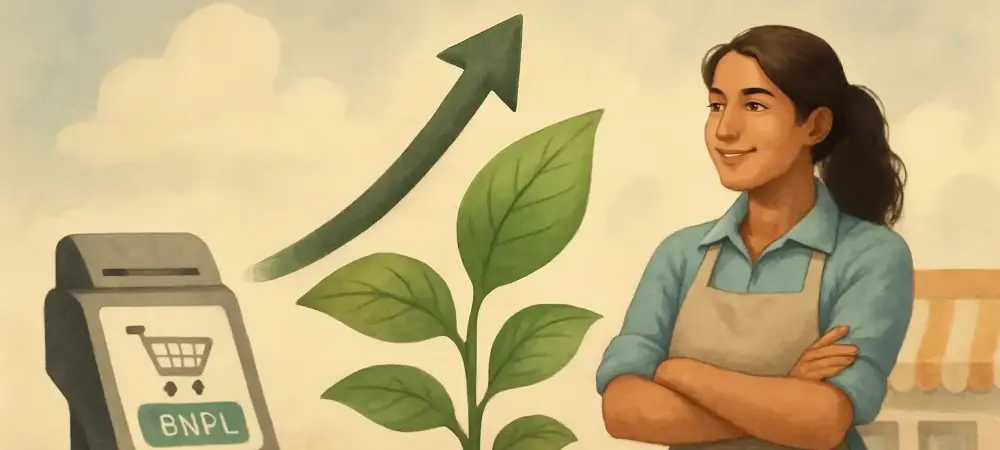
In the bustling world of retail, small businesses are constantly searching for innovative ways to stand out and attract customers, and one powerful solution is making waves in 2025. Picture a young shopper eyeing a coveted gadget in a local store, hesitating at the price tag—until they spot a sign offering payment in easy, interest-free installments. This is the power of Buy Now, Pay Later (BNPL) tools, a financial solution that’s reshaping how consumers spend and how merchants thrive. With 21% of 18- to 21-year-olds already using services like Cash App’s debit card for flexible payments, this trend is not just a fleeting moment but a game-changer. How can small businesses harness this shift to fuel their growth?
The significance of BNPL lies in its ability to bridge the gap between consumer desire and purchasing power while offering merchants a competitive edge. As traditional credit options lose appeal among younger demographics, BNPL emerges as a transparent, flexible alternative that boosts sales and builds loyalty. This isn’t just about keeping up with trends—it’s about seizing a strategic opportunity in a market where adaptability spells survival. With the BNPL industry projected to grow by 15% this year, small business owners have a clear path to tap into a swelling customer base eager for modern payment solutions.
Why Shoppers Gravitate Toward Buy Now, Pay Later
A noticeable shift in consumer behavior is driving the rise of BNPL, particularly among younger generations who prioritize flexibility over rigid financial commitments. Millennials and Gen Z shoppers are drawn to the idea of splitting costs into manageable chunks without the burden of high interest rates often associated with credit cards. This preference for control and transparency has fueled a surge in usage, with a significant portion of 18- to 21-year-olds integrating BNPL into their everyday spending habits through tools like debit cards tied to payment plans.
Beyond affordability, the appeal lies in the seamless integration of these services into both online and physical shopping experiences. Platforms like Klarna and Affirm have made it effortless for consumers to opt for BNPL at checkout, whether they’re browsing e-commerce sites or scanning QR codes in-store. This accessibility removes barriers, turning hesitation into action at the point of sale, and signals a broader cultural move toward tech-driven financial solutions that align with modern lifestyles.
The Critical Role of BNPL in Small Business Success
For small businesses navigating a cutthroat retail landscape, BNPL tools are becoming indispensable in meeting customer expectations and staying relevant. Unlike traditional credit systems that can deter budget-conscious buyers, BNPL offers a way to make purchases feel attainable without straining finances. This alignment with consumer needs translates into higher conversion rates, especially for merchants selling higher-priced items that might otherwise sit on shelves.
Moreover, the financial outlook for BNPL underscores its importance as a growth driver. Industry projections indicate a steady climb, with transaction values expected to increase by 12.5% in 2026 and 10% in 2027. Small businesses that adopt these tools now position themselves to ride this wave, gaining not just immediate sales boosts but also long-term customer trust through transparent payment options that prioritize fairness over profit-driven fees.
How BNPL Fuels Small Business Expansion
BNPL services offer a spectrum of advantages that directly contribute to small business growth across multiple dimensions. One standout benefit is the spike in sales through payment flexibility—merchants partnering with providers like Affirm have seen customers more willing to commit to big-ticket purchases when offered installment plans, mirroring successful collaborations with major retailers like Costco. This approach turns potential walkaways into confirmed buyers.
Additionally, BNPL opens doors to younger demographics who are shaping future spending trends. With a significant share of 18- to 21-year-olds engaging with these services, small businesses can capture the attention of tech-savvy, budget-aware shoppers eager for alternatives to conventional credit. Building loyalty follows naturally, as interest-free, clear terms foster trust, encouraging repeat visits. Partnerships with platforms like Shopify also enable merchants to extend their reach, integrating BNPL seamlessly into online and in-store transactions for a wider market impact.
Industry Perspectives on BNPL’s Transformative Power
Insights from industry leaders provide a grounded view of BNPL’s influence on commerce. A senior executive from Affirm emphasized, “Our risk-scoring model ensures responsible credit access, creating a win-win for merchants and consumers.” This statement reflects the delicate balance between innovation and accountability that defines the sector, ensuring that growth doesn’t come at the expense of financial stability for users.
Small business owners who’ve embraced BNPL echo this optimism with concrete results. An e-commerce retailer reported a 30% increase in average order value after integrating Afterpay, illustrating how these tools can elevate revenue while enhancing the shopping experience. Coupled with data showing BNPL’s current 1.4% share of retail sales, there’s a clear indication of untapped potential alongside real-world proof of its capacity to transform business outcomes.
Practical Steps for Small Businesses to Leverage BNPL
Implementing BNPL tools doesn’t have to be daunting for small business owners ready to take the plunge. Start by selecting a provider that matches the business’s customer profile—options like Klarna or Affirm offer user-friendly integration with existing systems, ensuring a smooth setup. Researching fee structures and compatibility with current sales platforms is key to avoiding operational hiccups.
Visibility is crucial once a provider is chosen; promoting BNPL options through in-store signage, website banners, or checkout prompts ensures customers are aware of the flexibility available. Additionally, tapping into data analytics offered by many BNPL services can refine marketing strategies, while training staff to explain terms clearly builds consumer confidence. Testing the waters with a limited product range or during high-traffic sales seasons allows businesses to gauge impact before a full-scale rollout, minimizing risk while maximizing learning.
In reflecting on the journey of BNPL adoption, small businesses found that embracing these tools often marked a turning point in their growth trajectory. The path forward involved staying attuned to evolving consumer preferences and technological advancements, ensuring that payment flexibility remained a cornerstone of their customer experience. Exploring partnerships with BNPL providers and continuously educating teams about best practices proved essential in sustaining momentum, while monitoring industry trends offered a roadmap for future innovation in a competitive retail landscape.