

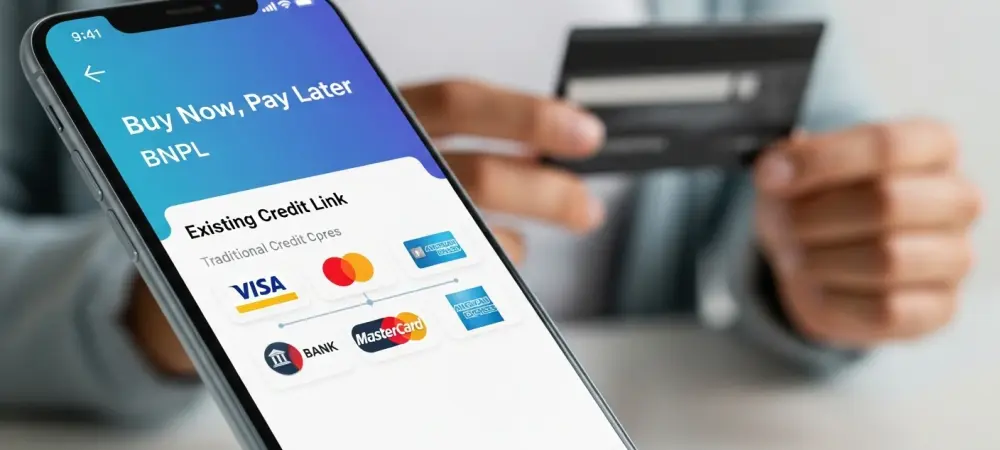
The global surge in flexible payment options has created a complex landscape where merchants often find themselves caught between customer demand for installments and the restrictive, loan-based nature of traditional financing. As consumer expectations for payment flexibility intensify, many businesses, particularly those in the digital space, are discovering that mainstream solutions do not adequately address their needs. Financial technology platform ThriveCart is addressing this gap with ThrivePay Installments, a card-linked solution that leverages consumers’ existing credit limits as a direct alternative to conventional Buy Now, Pay Later (BNPL) models.
This innovative approach bypasses the need for new loan applications by allowing customers to split purchases into manageable monthly payments using their pre-approved credit. By doing so, it unlocks a significant, largely untapped market while providing merchants with immediate payment and reduced risk. The model is positioned to reshape how digital entrepreneurs and creators handle high-value transactions in a global marketplace.
Is the “Buy Now, Pay Later” Boom Leaving Your Business Behind
The widespread adoption of BNPL services has fundamentally altered consumer purchasing behavior, making installment payments a standard expectation at checkout. While this trend has benefited many retailers, it has simultaneously created challenges for businesses operating outside the traditional e–commerce framework. Sellers of high-value digital products, coaching programs, and international services often find themselves on the sidelines of this payment revolution.
These entrepreneurs frequently encounter roadblocks with standard BNPL providers, who are often wary of non-physical goods and cross-border transactions. The underwriting processes are not designed for the creator economy, leading to high decline rates that translate directly into lost revenue. Consequently, the very businesses that could benefit most from flexible payment options are often unable to offer them effectively.
The Hidden Friction in Digital Sales and Why Traditional BNPL Falls Short
Beneath the surface of the convenient BNPL experience lies a significant point of friction: the loan application process. Each time a customer opts for a traditional installment plan, they are essentially applying for a new, short-term loan. This requires credit checks and underwriting, which can be time-consuming and often results in rejection, especially for larger purchase amounts.
This model is inherently restrictive, creating a bottleneck at the most critical stage of a sale. Furthermore, these services are typically fragmented by country, making it difficult for businesses with a global customer base to offer a consistent payment experience. The result is a system that, while popular, fails to meet the demands of an increasingly “upmarket” digital economy where high-ticket sales are becoming the norm.
Introducing ThrivePay Installments as a New Model for Flexible Payments
In response to these challenges, ThrivePay Installments introduces a fundamentally different mechanism for flexible payments. Instead of originating a new loan, the system enables customers to use their existing, pre-approved credit card limits to split a purchase into 3, 6, or 12 monthly payments. The transaction is processed as a single upfront charge on the customer’s card, which they then pay off to their card issuer over time according to their standard agreement.
For merchants, this model is a significant improvement. They receive the full payment for the product or service immediately, just as they would with a standard credit card transaction. This eliminates the cash flow delays and default risks associated with managing in-house payment plans or relying on third-party financing. The system also functions globally, supporting transactions in any currency where major credit cards are accepted, effectively removing the geographical barriers that limit traditional BNPL.
The Data-Backed Difference in Doubling Approvals and Unlocking Revenue
The most compelling aspect of this card-linked installment model is its remarkably high success rate. Because it leverages credit that has already been approved by the customer’s bank, ThrivePay Installments boasts an approval rate of approximately 85%. This figure is nearly double what is typically seen with conventional financing options, particularly for high-value purchases that are frequently declined by BNPL providers.
This performance directly addresses a key market trend identified by ThriveCart’s CEO, Ismael Wrixen, who notes the digital economy is progressively moving “upmarket.” As creators and coaches offer more premium services, they need payment solutions that can handle larger transactions reliably. By tapping into the estimated $3.3 trillion of unused credit available on U.S. consumer credit cards alone, this model unlocks a massive reservoir of purchasing power that was previously inaccessible.
Integrating Card-Linked Installments as a Strategic Advantage for Entrepreneurs
The strategic implications of adopting a card-linked installment solution are substantial for specific business models. Digital course creators, consultants, and online coaches who offer premium packages are prime beneficiaries. These entrepreneurs can now present high-ticket offers with a built-in flexible payment option that is far more likely to be approved, significantly boosting conversion rates at the point of sale.
This system provides a powerful tool for recovering sales that would otherwise be lost to payment declines. For businesses selling subscriptions or recurring services, offering a reliable installment option for an annual plan can increase customer lifetime value and secure long-term commitment. By moving beyond the limitations of loan-based financing, entrepreneurs can capture a wider segment of their target market and build a more resilient revenue stream.
The introduction of this technology marked a pivotal shift away from debt creation toward the smarter utilization of existing financial instruments. It provided a clear pathway for digital merchants to grow their businesses by offering the payment flexibility customers now expect, but without the friction, risk, and geographical limitations that had previously held them back. The model demonstrated that the future of flexible payments was not about more loans, but about better access to the credit consumers already possessed.