

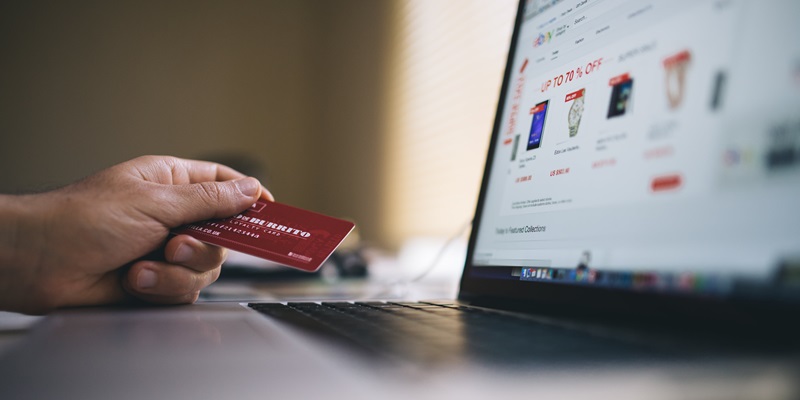
In a rapidly evolving digital landscape, the emergence of flexible payment solutions has revolutionized consumer options and presented merchants with new avenues to boost sales. With Buy Now, Pay Later (BNPL) services and digital wallets gaining traction, traditional credit cards are no longer the sole mode of payment. This article explores the shift away from traditional credit cards, the benefits of flexible payment options like BNPL services and digital wallets, and the significance of embracing these payment alternatives in attracting a broader customer base.
Shift away from traditional credit cards
The last decade has witnessed a notable shift away from traditional credit cards, particularly among younger generations. Increasingly, millennials and Gen Z individuals are opting for alternative payment solutions that offer flexibility and convenience. This trend can be attributed to various factors, including a desire to avoid debt, dissatisfaction with high interest rates, and a preference for more transparent and manageable payment options.
Buy Now, Pay Later (BNPL) services
BNPL services have gained significant popularity, allowing consumers to split the cost of their purchases into equally manageable installments. Unlike traditional credit cards, many BNPL services do not charge interest or fees if customers meet their payment deadlines. By spreading the cost over time, BNPL services empower consumers to make purchases without immediate financial strain, facilitating budgeting and enhancing affordability.
Digital Wallets
Digital wallets have become an increasingly common method of payment. These wallets, such as Apple Pay and Google Pay, provide a secure and convenient way to store payment information digitally. By employing robust encryption and security measures, digital wallets offer a heightened sense of safety for consumers worried about data breaches. The ease of transactions and the elimination of the need to carry physical cards make digital wallets an appealing choice for many consumers.
Popularity of BNPL Services
The growing popularity of BNPL (Buy Now, Pay Later) services is a testament to the undeniable shift toward flexible payments. With more consumers opting for BNPL services, merchants have witnessed a surge in sales. The allure of breaking down payments into manageable chunks, combined with the absence of interest or fees, has resonated with buyers seeking financial flexibility.
Attracting More Sales through Flexible Payment Options
Merchants who embrace flexible payment options can tap into a larger customer base. By catering to consumers’ desire for varied payment choices, including BNPL services and digital wallets, businesses can enhance their appeal and boost sales. Offering flexible payment options is a crucial strategy for staying competitive in the dynamic world of e-commerce.
Appeal to Customers Who Avoid Credit Cards or Prefer Digital Wallets
Flexible payment options appeal to a wider range of customers, including those who prefer alternatives to traditional credit cards or value the convenience and security provided by digital wallets. By adopting buy now, pay later (BNPL) services and digital wallets, merchants can cater to the diverse needs and preferences of their customer base, ultimately strengthening customer loyalty.
Streamlining the Checkout Process to Mitigate Cart Abandonment
One common challenge faced by e-commerce merchants is cart abandonment. Simplifying the checkout process by incorporating digital wallets and BNPL (Buy Now Pay Later) services can help address this concern. By offering swift and secure payment options, businesses can eliminate barriers to purchase and encourage customers to complete transactions, ultimately boosting sales and revenue.
Differentiating in a Crowded Online Marketplace
In a crowded online marketplace, standing out from the competition is essential. Merchants that provide various payment alternatives, including flexible options like Buy Now, Pay Later (BNPL) services, can distinguish themselves and attract customers seeking alternative payment methods. By understanding and meeting the diverse needs of consumers, businesses can reinforce their brand’s identity and create a competitive advantage.
Anticipated Persistence and Benefits of Flexible Payments
The adoption of flexible payment options is predicted to persist, benefiting both consumers and merchants. As the younger generation becomes the dominant consumer force, their preference for alternative payment methods will influence the future market. Merchants who proactively embrace flexible payments will reap the rewards, experiencing increased sales and an expanded customer base.
The emergence of flexible payment solutions, including BNPL services and digital wallets, has transformed the consumer landscape. As traditional credit cards give way to alternative options, consumers are embracing the financial freedom and convenience that flexible payments offer. To thrive in the digital age, merchants must recognize the importance of providing varied payment alternatives, appealing to a broader customer base, and utilizing flexible payment options as a key strategy to boost sales. By capitalizing on this shift, businesses can carve a niche in an increasingly competitive marketplace and embrace the bright future of flexible payments.