

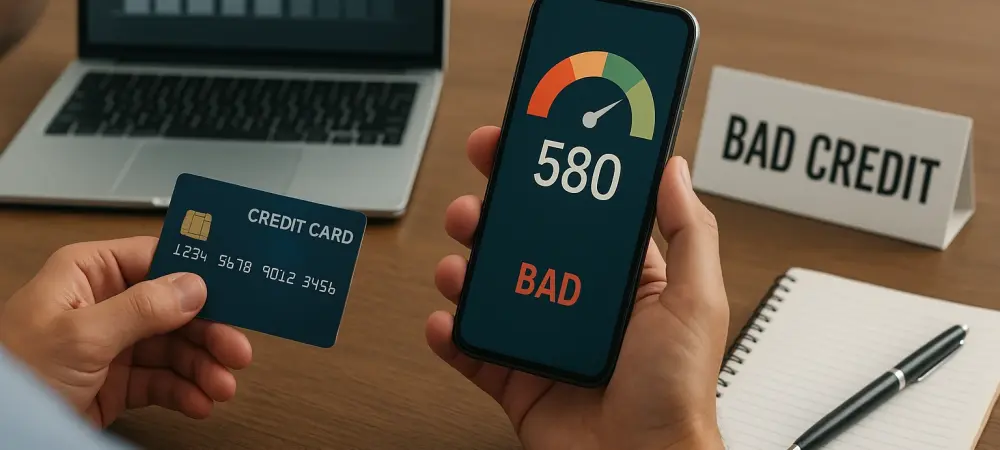
Financial technology has accelerated the lending process to a point where next-day funding is considered the baseline expectation for the subprime consumer market. In late 2026, the focus has shifted toward structured installment financing, where transparency and state oversight are mandatory rather than optional. Borrowers with subprime credit or thin files are no longer automatically disqualified but are instead evaluated through a lens of holistic financial health. This transformation is driven by the realization that traditional credit scores provide only a static snapshot of a person’s fiscal responsibility. Today, the integration of real-time data allows lenders to offer products that promote stability rather than dependency. By moving away from the predatory cycles of the past, the current market provides a vital lifeline that is both accessible and manageable for the modern consumer.
Technological Integration and Underwriting Shifts
Innovations in Risk Assessment: Part 1. Predictability and Structure
The move toward installment-based repayment structures represents the most significant structural change in the subprime lending landscape this decade. Unlike the short-term payday loans that frequently trapped consumers in a revolving door of debt, modern installment loans provide a clear, fixed schedule of monthly payments. This predictability is essential for individuals living paycheck to paycheck, as it allows them to integrate their financial obligations into a long-term budget without the looming threat of a sudden balloon payment. Furthermore, the underwriting process now relies on cash-flow analysis, ensuring that the monthly payment fits within the borrower’s actual disposable income. This shift toward sustainability reflects a broader industry consensus that a lender’s success should be tied to the borrower’s ability to complete a loan term successfully. As a result, the default rates in the subprime sector have stabilized, even as access to liquidity has expanded significantly across various demographics.
Innovations in Risk Assessment: Part 2. The AI Underwriting Revolution
Artificial intelligence has emerged as the definitive engine behind modern underwriting, allowing lenders to process thousands of non-traditional data points in seconds. This is particularly advantageous for younger individuals or new residents who may have a high income but lack an established credit history, often referred to as thin-file borrowers. By looking at utility payment consistency, professional trajectory, and even educational background, AI-driven platforms can identify responsible borrowers who would have been rejected by legacy banking algorithms. This technological leap has bridged the gap between the subprime and near-prime markets, often resulting in lower annual percentage rates for those who exhibit strong indicators of financial stability. The efficiency of these algorithms also means that the decision-making process is nearly instantaneous, allowing the focus to shift from basic approval to the customization of loan terms. Consequently, technology has democratized access to capital while simultaneously lowering the risk for institutional lenders.
Profiles of Leading Market Providers
Direct Lending Systems: Part 1. The CreditNinja Velocity Model
Within the competitive landscape of 2026, CreditNinja has established itself as a primary direct lender for those requiring immediate liquidity. Their operational model is specifically designed to address the needs of the lower-to-middle subprime tier, where speed is often the most critical factor. By serving as a direct lender rather than a broker or marketplace, they maintain total control over the loan lifecycle, which enhances transparency and simplifies the communication process for the borrower. Their sophisticated digital infrastructure allows for same-day funding for applications that meet morning cutoff requirements, effectively setting a new standard for velocity in the subprime market. While their interest rates are necessarily higher than those found at traditional credit unions, their strict adherence to state-licensed APR caps ensures that borrowers are protected from the exorbitant costs associated with unregulated lenders. This combination of speed, direct accountability, and regulatory compliance makes them a cornerstone of the ecosystem.
Direct Lending Systems: Part 2. OppLoans and Income Verification
OppLoans provides a complementary approach by emphasizing a holistic review of an applicant’s financial health rather than relying on a singular credit metric. Their philosophy is rooted in the belief that historical income stability and current cash flow are better predictors of repayment success than a past credit mistake. This methodology is supported by a highly intuitive online interface that streamlines the documentation and verification process, which has historically been a significant hurdle for subprime applicants. By automating the verification of income and employment, they have reduced the time from application to funding to less than one business day in most instances. This focus on accessibility is matched by a commitment to consumer education, ensuring that borrowers understand the total cost of their credit before signing any agreement. In a market where clarity can be as valuable as capital, their transparent approach to loan servicing has helped them maintain high levels of trust within a high-interest borrowing environment.
Behavioral Incentives: Part 1. RISE Credit and Rate Improvement
RISE Credit has introduced a behavioral dimension to lending that treats the subprime experience as a temporary bridge rather than a permanent destination. Their incentive-based borrowing model offers potential rate reductions for repeat customers who have demonstrated a track record of consistent, on-time payments. This innovative structure provides a tangible financial reward for responsible behavior, effectively coaching the borrower toward more affordable credit products in the future. By lowering the cost of debt as the borrower proves their reliability, the lender aligns their interests with the financial growth of their clients. This approach acknowledges that creditworthiness is a dynamic state that can improve rapidly with the right incentives and support. Such programs have proven to be highly effective at fostering long-term customer loyalty while simultaneously reducing the lender’s exposure to risk. It transforms the lending relationship from a transactional interaction into a partnership focused on the borrower’s transition into the prime credit market.
Behavioral Incentives: Part 2. The Mechanics of Credit Rehabilitation
A critical component of the 2026 lending environment is the bidirectional impact of credit reporting on a consumer’s financial profile. Most top-tier installment lenders now report payment history to all three major credit bureaus, turning a high-interest loan into a legitimate tool for credit rehabilitation. When a borrower manages their installment plan diligently, they are actively building a positive credit history that will eventually grant them access to lower-cost traditional banking products. Conversely, the transparency of this system means that missed payments have an immediate and negative impact, reinforcing the need for strict borrower discipline. This dual-edged nature of modern lending ensures that borrowers are aware of the stakes involved in their financial decisions. By integrating these loans into the formal credit reporting system, the industry has shed its fringe status and become a recognized pathway for financial recovery. This integration ensures that the effort put into repaying a loan is rewarded with a more robust credit file.
Strategic Selection and Market Findings
Choosing the Right Path: Part 1. Analyzing Provider Specializations
Navigating the diverse array of loan options available today requires a strategic understanding of which lender’s service spike aligns with specific financial needs. For those facing an immediate emergency where every hour counts, a direct lender like CreditNinja offers the most efficient route to liquidity due to their same-day funding capabilities. However, for a borrower focused on rebuilding their credit score over several years, the behavioral incentives and rate reduction programs offered by providers like RISE Credit may offer more long-term value. Each of these providers serves a distinct niche within the ecosystem, and the key to successful borrowing lies in identifying which specific product fits the borrower’s current cash flow and long-term financial objectives. Comparing APRs and repayment terms is now a standardized part of the digital application process.
Choosing the Right Path: Part 2. Regulatory Compliance and Consumer Safety
The integrity of the 2026 lending market is underpinned by a robust regulatory framework that emphasizes state licensing and consumer protection. Unlike the unregulated offshore or tribal lenders of the past, today’s market leaders operate under strict state-mandated APR caps and disclosure requirements. This shift has essentially eradicated the most predatory elements of the industry, as licensed lenders are held accountable for their underwriting practices and collection methods. Borrowers are encouraged to verify a lender’s license before proceeding, as this ensures they are protected by the full force of consumer financial law. Furthermore, the standardization of the ability to repay rule has forced lenders to be more selective, which in turn protects consumers from taking on more debt than they can realistically handle. This regulatory stability has invited more institutional capital into the subprime space, leading to more competitive terms and better technology for the end user, making the market safer.
Strategic Implementation: Part 1. Building Long-Term Resilience
Looking beyond the immediate need for liquidity, the current state of the market suggests that financial resilience is becoming a data-driven pursuit. The shift toward alternative underwriting has empowered individuals to leverage their current successes, such as stable employment and consistent income, even if their past includes financial setbacks. This evolution signifies that the financial industry has finally begun to treat the subprime consumer as a complex individual rather than a single number on a credit report. As technology continues to refine these assessment tools, the distinction between subprime and prime will likely continue to blur, rewarding consistent financial behavior with real-time adjustments to borrowing costs. For the consumer, this means that every financial interaction is an opportunity to improve their standing within the digital economy. The landscape of 2026 has proven that when technology and regulation work in tandem, the result is a market that is both more inclusive and more stable.
Strategic Implementation: Part 2. Actionable Steps for Financial Stability
To capitalize on these advancements, borrowers prioritized transparency and verified the licensing of any potential financial partner. The most successful individuals utilized installment loans not as a permanent solution, but as a strategic tool to bridge short-term gaps while building a positive history with the major credit bureaus. They compared the specific advantages of direct lenders against AI-driven marketplaces to find the lowest possible total cost of borrowing for their unique profiles. By focusing on the ability to repay rather than just the desire for cash, consumers integrated these obligations into their broader financial strategies with high levels of discipline. Decision-makers within the household monitored their credit reports monthly to ensure that their on-time payments were being accurately reflected, accelerating their transition toward more traditional financing. Ultimately, the market provided the necessary infrastructure for recovery, but the individuals who achieved the best results were those who approached subprime credit as a temporary stepping stone.