

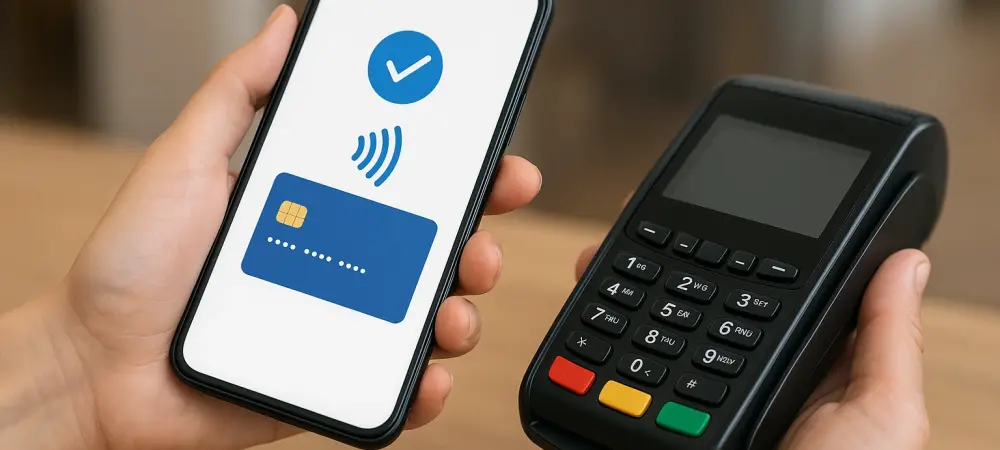
The rapid transition from physical currency to digital solutions has turned the mobile wallet into the primary transaction method for millions of Americans today. This shift is not merely a trend for the tech-savvy but a fundamental reimagining of the retail environment where nearly 90% of stores now facilitate contactless payments. The transformation began as a response to the need for speed but has matured into a complex infrastructure that integrates personal identity, banking, and loyalty rewards into a single handheld device. As traditional plastic cards become secondary, the financial sector is seeing a massive migration of data and trust into software-based ecosystems. This change is driven by a deep integration of hardware security and consumer demand for seamless experiences. Every tap at a register represents a departure from legacy systems, signaling a permanent move toward a landscape where physical currency is an exception rather than the rule for daily commerce.
Exploring the Digital Ecosystem
Diverse Platforms and Technology Standards
The modern market for mobile payments is characterized by a sophisticated interplay between hardware manufacturers and software developers. Device wallets, primarily those integrated into major smartphone operating systems like Apple Pay and Google Wallet, dominate the landscape by utilizing the phone’s native Near Field Communication (NFC) capabilities. These systems rely on a dedicated hardware component known as the Secure Element, an encrypted chip that stores sensitive financial data separately from the rest of the device’s applications. This architecture ensures that payment information remains isolated from potential malware or software vulnerabilities. Furthermore, these platforms have successfully established a standardized user interface that works identically across millions of merchant terminals, providing a sense of reliability that was missing during the early years of digital payment trials. The consistency of this technology has turned it into the gold standard for secure transactions.
In contrast to OS-level solutions, bank-led and merchant-specific wallets have carved out significant niches by focusing on specialized services and deep consumer rewards integration. Financial institutions are increasingly launching their own digital interfaces that link directly to real-time funding sources, allowing users to bypass traditional credit networks for instant, account-to-account transfers. Meanwhile, large-scale retailers have optimized their proprietary applications to bundle payment processing with loyalty points, digital receipts, and personalized coupons. For example, a consumer visiting a major grocery chain or coffee shop might prefer the merchant’s specific wallet to automatically apply discounts that are not available through generic device wallets. This fragmentation of the ecosystem allows for a more tailored shopping experience, where the act of paying is no longer an isolated event but an integrated part of a broader brand engagement strategy that incentivizes repeat business.
Key Drivers of Widespread Consumer Adoption
One of the most significant catalysts for the move toward mobile wallets is the radical reduction of friction in the physical and digital checkout process. For years, the introduction of EMV chip cards created a point of frustration for consumers due to the requirement to insert and leave the card in the reader, which was noticeably slower than the traditional magnetic stripe swipe. Mobile wallets solved this problem by enabling a near-instantaneous tap that completes the transaction in a fraction of the time. This efficiency is amplified by the psychological shift in how consumers perceive digital security. As biometrics like facial recognition and fingerprint scanning became ubiquitous, the average user grew to trust these methods more than a physical signature or a four-digit PIN. The realization that tokenization protects their actual card number from being stored by the merchant has effectively neutralized the fear of large-scale data breaches, leading to a surge in confidence across all demographics.
Beyond the simple mechanics of payment, the concept of device consolidation has fundamentally altered the utility of the smartphone. By migrating non-payment items like driver’s licenses, transit passes, office keycards, and concert tickets into a digital format, the mobile device has become an indispensable hub for an individual’s public persona. The ability to navigate an entire city, from boarding a train to entering a workplace and then buying lunch, without ever reaching for a physical pocketbook has created a level of convenience that is difficult to reverse. This evolution has moved the smartphone from being a communication tool to a vital financial instrument that stores the entirety of a person’s transactional life. As digital identity standards continue to mature, the reliance on a physical wallet has dwindled to the point where many younger consumers no longer carry one at all, viewing the phone as their sole necessary item for engaging with the modern world’s economy.
The Business and Strategic Impact
Competitive Advantages for Modern Merchants
For businesses operating in the United States, providing support for mobile wallets is no longer an optional feature but a mandatory requirement for maintaining competitive relevance. Merchants who have failed to update their point-of-sale systems to accommodate contactless technology are finding themselves at a disadvantage, especially among younger demographics who rarely carry physical cards or cash. In the e-commerce sector, the impact is even more pronounced; the inclusion of digital wallet buttons on checkout pages has been shown to drastically reduce cart abandonment rates. By removing the need for a shopper to manually type in sixteen-digit card numbers, expiration dates, and security codes on a small screen, businesses are streamlining the path to purchase and capturing sales that might have otherwise been lost to frustration. This shift toward a one-click philosophy has redefined consumer expectations for speed and ease, forcing every retail entity to modernize.
While the operational benefits of mobile wallets are clear, they also introduce a new set of challenges regarding customer data and marketing strategies. The use of tokenization means that merchants often receive a digital substitute for the customer’s information rather than the persistent card data they once used to track long-term spending habits. This creates a situation where tech giants like Apple and Google act as powerful intermediaries, controlling the flow of data between the buyer and the seller. To counter this, many retailers are pushing their own branded wallets to recapture granular insights into shopper behavior. Despite these data hurdles, the reduction in fraud liability remains a powerful incentive for merchant adoption. Because biometric-authenticated mobile transactions are much harder to dispute as unauthorized compared to card-not-present transactions, businesses are seeing a decrease in costly chargebacks and the administrative burdens associated with payment disputes.
The Future Battlefield for Financial Institutions
The banking industry is currently engaged in a high-stakes competition for default status within the user’s digital wallet stack. Being the top-of-wallet card—the one automatically selected for a tap—is the primary goal for financial institutions, as it ensures they capture the lion’s share of interchange fees and maintain constant visibility in the customer’s daily life. This battle has forced banks to innovate rapidly, offering enhanced rewards and real-time spending notifications that appear immediately on the user’s lock screen. Whoever controls the default payment method holds an immense amount of influence over the consumer’s financial journey and spending choices. This dynamic has shifted the focus of bank marketing from traditional physical mailers to digital-first incentives that encourage users to set a specific card as their primary option. In this environment, the user experience of the bank’s mobile app and its integration with the broader device ecosystem have become the most critical factors for customer loyalty.
The rise of mobile wallets is also intrinsically linked to the broader expansion of the fintech ecosystem and the adoption of real-time payment rails. Modern wallets are increasingly serving as the front door for neobanks and peer-to-peer payment services that operate outside the traditional boundaries of legacy banking. These platforms leverage the speed of systems like FedNow and the RTP network to provide instant settlement, making the transfer of funds as quick as sending a text message. For traditional financial institutions, the challenge lies in staying relevant as these tech-driven alternatives offer more specialized and agile financial products. To remain competitive, established banks are having to rethink their entire digital strategy, ensuring that their services are deeply embedded into the wallets that consumers use every day. The focus has moved beyond simple transaction processing to providing a holistic financial management experience that resides entirely within the smartphone’s secure environment.
Strategic Implementation of Digital-First Financial Standards
The era of the physical wallet transitioned from a functional necessity to a ceremonial relic as digital adoption reached its saturation point. This shift necessitated a complete overhaul of how businesses approached the point of sale and how banks interacted with their cardholders. Organizations that successfully integrated mobile-first strategies recognized that security and speed were the twin pillars of modern commerce. Moving forward, the focus must remain on the harmonization of digital identity with payment protocols to ensure a frictionless experience. Leaders in the retail and financial sectors should have prioritized the optimization of their digital stacks to support emerging real-time payment rails. Ensuring that biometric security and tokenization are at the forefront of every transaction was the only way to maintain consumer trust. As the landscape continues to evolve, the primary objective for any enterprise is to remain adaptable to the next wave of wearable and embedded payment technologies that will further decentralize the act of purchasing.