

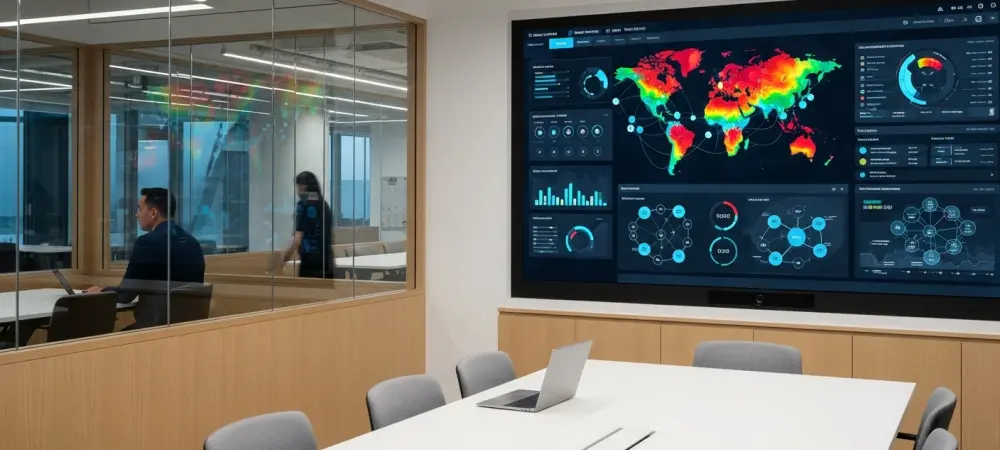
The rapid evolution of global digital marketplaces has created a significant visibility gap for brands attempting to track consumer behavior across fragmented platforms. In the current landscape of 2026, the traditional methods of monitoring online sales and search trends have become insufficient due to the sheer volume of data generated by diverse retail media networks and specialized storefronts. As companies struggle to reconcile disparate metrics from various regions, the need for a unified analytical framework has become paramount for maintaining a competitive edge. The introduction of a comprehensive intelligence suite aims to solve these complexities by merging shopper behavioral insights with real-time digital shelf dynamics. This integration provides a centralized perspective on how products are discovered, priced, and purchased across hundreds of global marketplaces. By synthesizing these once-isolated data streams, businesses can finally obtain a holistic view of the modern customer journey, allowing for more precise adjustments to their market strategies and inventory management.
Bridging the Gap Between Shopper Behavior and Digital Presence
Integration of Global Marketplace Analytics: A Unified Approach
The current expansion of digital commerce requires a sophisticated understanding of both macro trends and granular performance metrics across a vast network of online retailers. Similarweb has addressed this necessity by combining the capabilities of Amazon IQ with Cross-Retail IQ to monitor over 650 online storefronts and marketplaces worldwide. This synthesis allows brands to transition away from siloed data collection and toward a more integrated model that tracks product availability and pricing strategies on a global scale. By merging what was formerly known as Shopper Intelligence into a broader retail framework, the suite provides a seamless flow of information regarding consumer search patterns and conversion rates. This approach is particularly effective for brands navigating the transition of many online retailers into marketplace-centric models similar to Amazon. Consequently, stakeholders can now observe how competitive pricing shifts in one region influence consumer demand in another, creating a more responsive and data-driven supply chain that anticipates shifts rather than merely reacting to them.
Navigating the AI-Driven Discovery Revolution: New Consumer Paths
As AI-driven search tools and automated purchase agents become more prevalent in the daily shopping habits of 2026, the traditional path to purchase is undergoing a fundamental transformation. The rise of the Universal Commerce Protocol has introduced a layer of complexity where artificial intelligence often acts as an intermediary, selecting products based on real-time data rather than brand loyalty alone. To succeed in this environment, companies must optimize their digital shelf content to be “AI-friendly,” ensuring that product descriptions and pricing metadata are perfectly tuned for machine discovery. Similarweb’s new suite offers in-depth digital shelf analytics that identify specific keyword patterns leading to conversions, allowing brands to refine their retail media spend with surgical precision. This level of insight is crucial for maintaining visibility within retail media networks, which have become increasingly crowded and expensive. By leveraging these tools, brands can ensure their products remain at the forefront of automated search results, securing the “buy box” even as AI agents begin to handle routine household and business purchases.
Strategic Implementation for Competitive Advantage
Digital Shelf Automation: The Power of Real-Time Adjustments
Success in modern e-commerce often hinges on the ability to react to competitive shifts within minutes rather than days. The introduction of digital shelf automation within the intelligence suite marks a significant technological advancement, allowing brands to implement dynamic pricing strategies that respond automatically to market changes. This feature is designed to protect market share during aggressive price wars or sudden inventory shortages among competitors, ensuring that a brand’s offerings remain attractive to both human shoppers and automated buying agents. Beyond mere pricing, the automation tools also monitor stock levels across multiple platforms, preventing the loss of visibility that typically occurs when a product goes out of sync with marketplace requirements. By utilizing these automated responses, companies can maintain high-visibility placements without the need for constant manual intervention, freeing up human resources for higher-level strategic planning. This proactive stance is essential for navigating the marketplace fragmentation that defines the current retail environment, where losing a “buy box” for even a few hours can result in substantial revenue losses.
Actionable Intelligence for Long-Term Growth: Insights into Action
The strategic value of a unified retail intelligence platform was demonstrated by the ability of brands to transform raw behavioral data into executable business plans that addressed specific category shifts. Stakeholders utilized these insights to pinpoint exact gaps in their product assortments, allowing them to benchmark their current inventory against the strongest global competitors. For retailers, the data served as a diagnostic tool to refine market positioning and identify underserved consumer segments that were previously hidden by fragmented reporting. Brands that adopted these analytical tools moved beyond simple tracking and began using pricing signals to forecast future demand, resulting in optimized retail media budgets and improved content performance. The transition to this integrated model allowed for a more cohesive narrative of the consumer journey, where every search query and price adjustment was linked to a tangible business outcome. By closing the loop between discovery and conversion, the platform enabled organizations to navigate the complexities of 2026 with confidence, ensuring that every digital interaction contributed to sustainable growth and improved market relevance.