

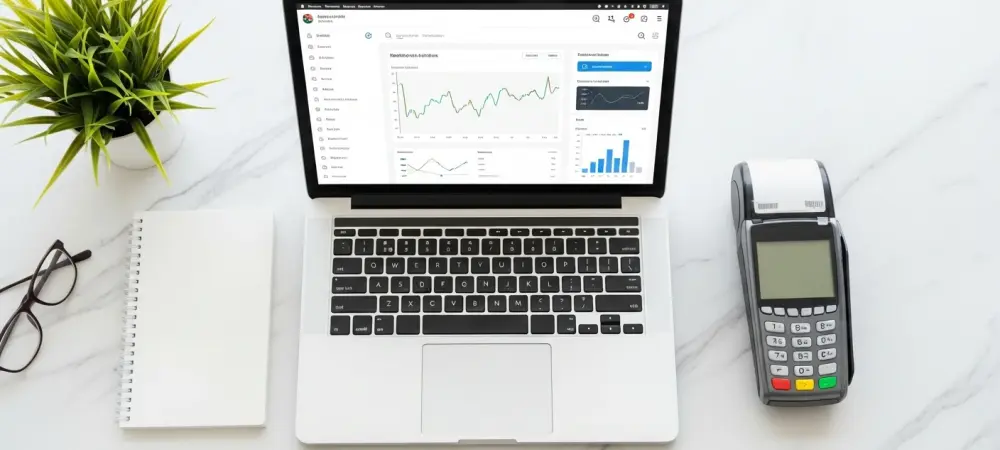
The modern marketplace demands that British entrepreneurs manage physical and digital sales with the same level of fluid efficiency. As small and medium-sized businesses (SMBs) move toward more agile operational models, the traditional separation between a website’s checkout and a physical shop’s card reader has become a significant bottleneck for growth. Mollie Tap arrives as a strategic response to this friction, offering a unified ecosystem designed to bridge the gap between online and in-person commerce.
Assessing the Value of Mollie Tap for Modern UK Businesses
For the independent retailer or the scaling freelancer, the primary value of this system lies in its ability to consolidate fragmented financial data. By providing a single source of truth for all transactions, it eliminates the need for manual reconciliation between disparate payment providers. This integration is not merely a convenience; it represents a fundamental shift in how small enterprises monitor their cash flow and customer behavior across different sales channels. The solution addresses the specific problem of data silos that often plague growing businesses. When a customer buys a product in a pop-up shop, that transaction is immediately visible alongside e-commerce sales, allowing for more accurate inventory management and financial forecasting. For businesses operating with lean teams, the time saved on administrative bookkeeping translates directly into more resources for strategic expansion and customer engagement.
Understanding the Mollie Tap Ecosystem and Core Features
Dedicated Hardware: The Portable Contactless Terminal
The physical cornerstone of the offering is an Android-based terminal that prioritizes mobility and robust connectivity. Equipped with both 4G and Wi-Fi capabilities, the device ensures that merchants remain operational regardless of their environment, whether they are in a brick-and-mortar boutique or a remote outdoor market. The hardware feels premium yet durable, featuring a long-lasting battery designed to endure a full day of intensive use without requiring a mid-shift charge.
Beyond its physical build, the terminal includes a front-facing NFC reader that facilitates rapid contactless interactions. It supports a wide array of payment methods, from traditional credit cards to modern digital wallets and QR code-based transactions. This versatility ensures that businesses never have to turn away a customer due to technical limitations, reflecting a deep understanding of current consumer payment preferences.
Software Versatility: The Standalone Payment App
For those who prefer a hardware-free approach, the standalone app serves as a powerful alternative that transforms any NFC-enabled smartphone into a functional terminal. This software-first solution is particularly beneficial for mobile professionals, such as consultants or delivery services, who require the ability to take payments on the fly without carrying extra equipment. The interface is intuitive, mirroring the simplicity of the physical terminal while maintaining high security standards.
Integrated Business Tools and Functionality
Mollie has enriched the platform with several built-in tools that extend beyond simple transaction processing. Merchants can issue digital receipts directly to a customer’s email, manage tipping prompts with ease, and access automated financial reports that update in real-time. These features are designed to streamline the point-of-sale experience, making it more professional for the buyer and less burdensome for the seller.
Performance Evaluation in Real-World Business Scenarios
Connectivity and Reliability
In real-world testing, the dual-connectivity feature proved to be a critical asset for reliability. The seamless handoff between Wi-Fi and 4G means that transaction processing rarely suffers from the lag or timeouts that often frustrate both merchants and customers. This stability is essential for maintaining trust during peak hours when a slow checkout process can lead to abandoned sales and negative reviews.
User Experience and Transaction Speed
The user interface on both the terminal and the mobile app is clean and responsive, minimizing the learning curve for staff. Customers appreciate the speed of the NFC reader, which processes payments almost instantaneously. Moreover, the clear visual cues during the checkout process reduce confusion, ensuring that the interaction is as frictionless as possible for everyone involved.
Financial Integration and Data Accuracy
Automated reporting functions provide a clear, high-level overview of business health without requiring complex exports or third-party plugins. The accuracy of the integrated data ensures that tax preparation and daily balancing are straightforward tasks rather than weekend-long projects. This level of financial clarity allows business owners to make informed decisions based on live data rather than historical guesswork.
Analyzing the Pros and Cons of the Mollie Tap System
Key Advantages for SMBs and Professionals
The primary advantage of the system is the flexibility offered by its dual pricing model, which caters to both occasional sellers and high-volume retailers. The pay-as-you-go option is excellent for those testing the waters, while the Pro subscription offers a path to lower fees as the business scales. Furthermore, the ability to manage both e-commerce and physical retail through a single provider simplifies the entire technological stack.
Potential Limitations and Drawbacks
However, businesses must carefully weigh the monthly cost of the Pro tier against their actual transaction volume to ensure the subscription remains cost-effective. While the hardware is top-tier, the UK market is highly competitive, and some specialized POS features found in established competitors might be missing for complex restaurant or high-inventory setups. It is essential to verify that the specific feature set aligns with the operational complexity of the business.
Final Assessment: Is Mollie Tap the Right Choice?
The evaluation revealed that the hardware is exceptionally well-built and the software ecosystem is one of the most versatile currently available. The pricing structure is competitive, especially for businesses that already utilize Mollie for their online storefronts. The balance of professional-grade features and ease of use makes it a compelling choice for a wide variety of British entrepreneurs.
Concluding Opinion and Guidance for British Entrepreneurs
Deciding between the app-only setup and the physical terminal depended largely on the volume of in-person interactions and the desired professional image. Mobile vendors found the app sufficient for occasional use, whereas established shops benefited significantly from the dedicated hardware’s reliability. Choosing an integrated solution like this reduced technical overhead and allowed for a more holistic view of the customer journey, which will likely be a standard requirement for retail success in the coming years. Moving forward, businesses should prioritize platforms that offer this level of cross-channel visibility to stay competitive in an increasingly digital landscape.