

Nikolai Braiden, an early adopter of blockchain, is a leading voice in the FinTech space. He champions the transformative potential of financial technology to reshape digital payment and lending systems and has extensive experience advising startups on leveraging technology to drive innovation within the industry.
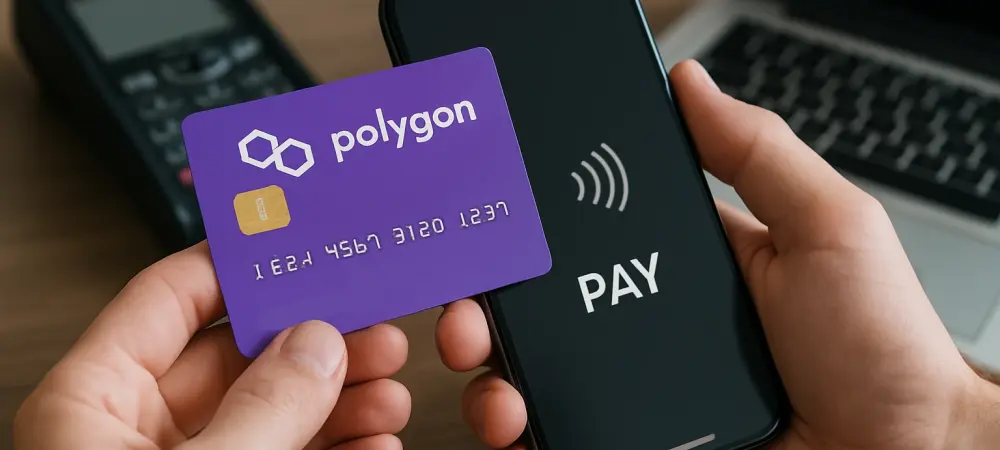
This discussion delves into Polygon Labs’ strategic acquisition of Coinme and Sequence for over $250 million, exploring how these two companies will form the foundation of the new Polygon Open Money Stack. We will examine the integration of their respective technologies to create seamless fiat and crypto payment rails, the reasoning behind their staggered acquisition timelines, and the practical impact this new infrastructure will have on cross-border transactions for businesses and financial institutions. The conversation will also touch on how the unique, gaming-centric origins of Sequence’s technology will synergize with Coinme’s traditional B2B focus to create a uniquely powerful offering.
With the acquisition of Coinme and Sequence, how will their distinct technologies—payments and infrastructure—be integrated into the Polygon Open Money Stack? Please walk me through the specific roles each company will play in enabling fiat on-ramps and wallet infrastructure for enterprise clients.
This is a classic “two halves of a whole” acquisition strategy, and it’s quite brilliant. Polygon Labs is building a comprehensive solution, and you can’t do that without mastering both the traditional financial world and the on-chain one. Coinme, having been in the game since 2014, brings the established, regulated bridge to fiat currency. Its white-label crypto-as-a-service solution is designed to be plugged into banks and fintechs, so it will power the critical physical cash and digital fiat on- and off-ramps. On the other side, you have Sequence, which grew out of the demanding Web3 gaming space. It provides the pure-play crypto infrastructure—the crypto wallets, the developer tooling, and the on-chain data architecture. So, for an enterprise client, Coinme is the front door that lets them convert dollars into stablecoins, and Sequence is the engine room that securely manages those assets and transactions on the blockchain.
The closing timeline for Sequence is set for January, while Coinme’s is planned for Q2 2026. What are the key factors, perhaps regulatory, driving this significant difference? Could you detail how Polygon Labs plans to manage the integration and leverage Sequence’s tech in the interim?
The staggered timeline is almost certainly driven by regulatory scrutiny. The article mentions both deals are subject to “customary regulatory approvals,” but the nature of these two companies is very different. Sequence provides Web3 infrastructure—developer tools and wallets. It’s a technology play. Coinme, however, directly enables banks and fintechs to offer crypto and stablecoin payments. It operates much closer to the traditional, highly regulated financial system. That long runway to Q2 2026 for the Coinme deal suggests a meticulous and complex process to satisfy financial regulators. In the meantime, Polygon Labs isn’t just sitting on its hands. With the Sequence transaction closing in January, they can immediately begin integrating its core infrastructure. This allows them to build out the entire digital backbone of the Open Money Stack—the wallets, the transaction orchestration—so that when Coinme’s regulated fiat rails are finally cleared for integration, they can plug them into a fully operational system.
The Open Money Stack aims to provide banks and fintechs with benefits like real-time settlement and reduced correspondent banking exposure. Can you provide a step-by-step example of how a business might use this stack for a cross-border payment, and what specific metrics they should expect?
Certainly. Imagine a US-based business needing to pay an international supplier. Traditionally, this involves a wire transfer that could take days and pass through multiple correspondent banks, each taking a cut and adding uncertainty. Using the Open Money Stack, the process is transformed. First, the business would use a Coinme-powered on-ramp within their banking app to convert their US dollars into a stablecoin. That transaction is the first step. Second, that stablecoin is transferred on-chain, almost instantaneously, directly to the supplier’s digital wallet, which would be built on Sequence’s infrastructure. This single step completely bypasses the correspondent banking system. The supplier then uses a local off-ramp to convert the stablecoin back into their own currency. The key metrics here are speed and cost. Instead of a 3-5 day settlement, they’re looking at real-time settlement. And by eliminating intermediary banks, they achieve dramatically lower fees and, just as importantly, predictable pricing.
Sequence evolved from powering a Web3 game to building core infrastructure, while Coinme focuses on white-label solutions for financial clients. How does Sequence’s unique background in gaming influence its technology, and how will that synergize with Coinme’s more traditional B2B fintech services?
The influence of Sequence’s gaming origins cannot be overstated. The world of Web3 gaming is incredibly demanding on user experience. You have to make complex actions, like setting up a wallet or signing a transaction, feel invisible and instantaneous. Their experience building for the game Skyweaver and later the Trials platform forced them to perfect one-click crypto transactions. This results in infrastructure that is not just robust, but also incredibly user-friendly and highly performant. Coinme, on the other hand, comes from the buttoned-up world of B2B fintech, focusing on compliance, security, and seamless integration into existing financial apps. The synergy is fantastic. You’re taking the sleek, high-speed engine built and battle-tested in the demanding gaming world and placing it into the safe, reliable, and compliant chassis that Coinme has built for the financial industry. It’s the perfect fusion of consumer-grade usability and enterprise-grade reliability.
What is your forecast for the adoption of integrated crypto and fiat payment solutions by traditional financial institutions over the next five years?
My forecast is one of cautious but accelerating adoption, and this acquisition is a perfect catalyst. For years, the biggest barrier for banks has been the immense complexity and perceived risk of building their own crypto solutions. A turnkey platform like the Polygon Open Money Stack, which combines regulated fiat on-ramps with proven wallet infrastructure, effectively removes that barrier. Over the next two years, I expect to see nimble fintechs and challenger banks be the first movers, leveraging these tools to offer cheaper, faster international payments and gain a competitive edge. As they prove the model and demonstrate the cost savings, the larger, more traditional institutions will feel the pressure. Within five years, I believe offering integrated digital asset solutions will move from a niche experiment to a competitive necessity for any financial institution involved in cross-border commerce. This investment of over $250 million is a powerful signal that the technology is finally ready for primetime.