

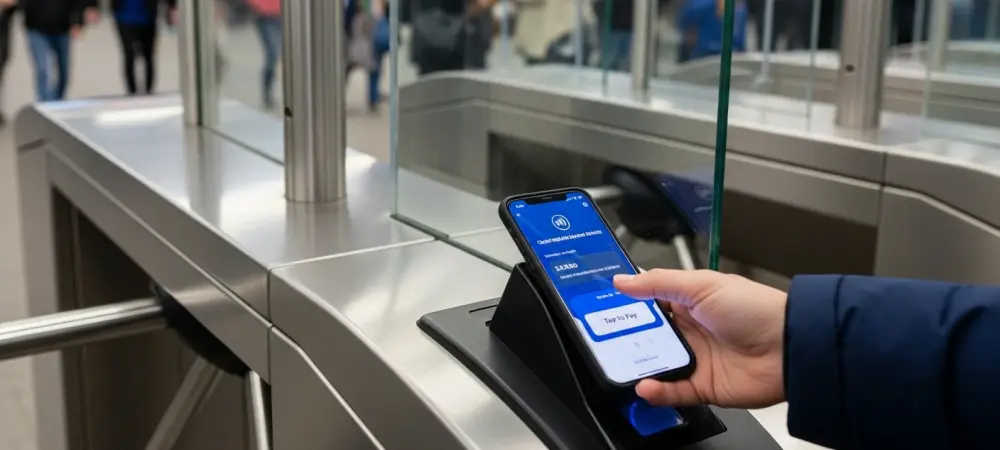
A Fare Without Friction
Millions of riders today expect to tap a bank card or phone at a gate, glide through in under half a second, and trust that the system will sort out the best fare later without standing in line for a special card. That expectation sits at the heart of Mastercard’s enhanced open-loop transit solution, which replaces proprietary fare media with EMV contactless cards and digital wallets that people already carry. The promise is simple: no top-ups, no parallel ticketing, and less friction at every step of the journey.
This shift matters because cities are racing to cut cash handling and complexity while meeting rising demand for seamless travel across buses, metros, trains, trams, and ferries. Open-loop makes account-based ticketing the default, moving fare logic into the back office so riders take the same action everywhere—tap—while agencies gain scalability, consistency, and stronger security controls.
How the System Works
At the edge, validators and gates accept contactless taps from physical cards, phones, and wearables, using network tokenization and device cryptograms to protect credentials. Express transit modes in Apple Pay and Google Pay reduce device friction and help hit latency targets needed to keep queues short. Those speed gains are paired with risk controls so throughput never comes at the expense of trust.
Behind the scenes, account-based engines calculate fares, apply daily or weekly caps, and honor entitlements tied to an account rather than a card number. Transfers in time windows, multi-operator rules, and post-authorization flows are reconciled in the back office, with dispute handling calibrated to transit’s high-velocity, low-value profile.
Interoperability and Reach
A single acceptance model spans modes and operators, enabling multi-operator clearing and reducing fragmentation for locals and visitors. Cross-city usability has grown, with deployments in London, New York City, Amsterdam, Milan, Singapore, Sydney, and expanding adoption in Turkey for low-value fares, underscoring how familiar instruments travel well.
This breadth reflects alignment with smart mobility strategies and financial inclusion goals. By accepting what riders already hold, agencies lower onboarding barriers while keeping options for those without bank cards through parallel cash acceptance or account provisioning via partners.
Security, Risk, and Operations
Real-time risk scoring, hotlists, and fast enforcement help contain unpaid fares, while stand-in and offline strategies maintain flow when connectivity blips. PCI DSS responsibilities are contained through data minimization and token-first designs, limiting exposure at the edge.
On settlement, agencies can choose merchant-of-record and acquirer models that fit local requirements. Clearing, net settlement, and exception handling for declines are handled with transit-aware rules, so operators reconcile revenue confidently without drowning in edge cases.
Performance in the Field
Tap latency has tightened as validators add offline capability and optimized cryptography, which shows up in shorter dwell times and less platform crowding. Fare capping has spread, steering behavior toward tap-to-pay and boosting satisfaction by guaranteeing best price without planning.
City results illustrate maturity at different stages: London’s contactless share dominates with dependable capping, New York’s rollout reshaped rider habits, the Netherlands stitched together nationwide acceptance, and Singapore’s partnership aligned technology with policy. Each example highlights measurable gains—fewer queues, clearer fares, and cleaner audits.
Verdict and Next Moves
The technology delivered a cleaner rider experience, lower operating drag, and credible security at scale, while leaving room for policy choices on inclusion and privacy. The most promising next steps lay in mapping entitlements to open-loop credentials, expanding interoperable back offices across regions, and exploring ties to real-time payment rails for cost efficiency. With micromobility, parking, and tolling ready for the same tap, the path forward favored a single, secure payment gesture that followed travelers wherever city life moved.