

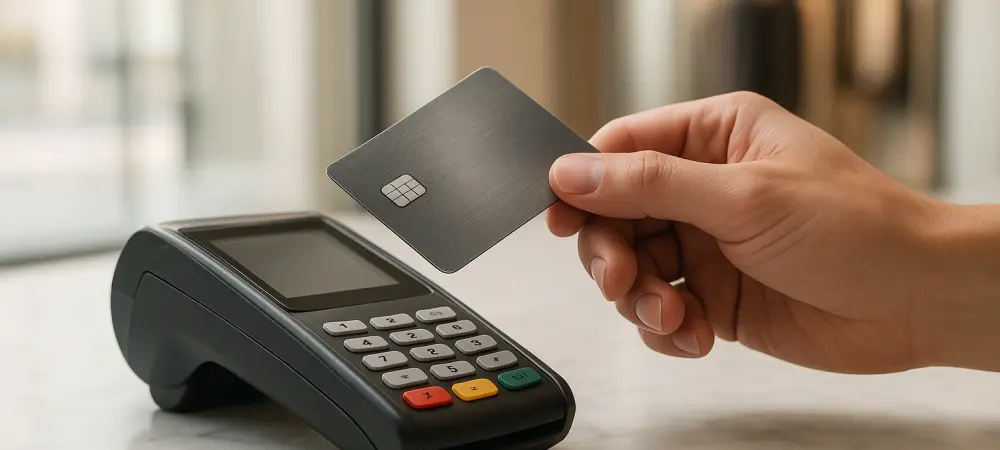
Crowded environments like train stations and busy retail stores have become the primary staging ground for a subtle form of contactless payment fraud known as ghost tapping. This emerging threat leverages Near-Field Communication (NFC) technology, which was originally designed to facilitate quick and convenient transactions between a card and a reader. However, criminals are now exploiting the inherent short-range nature of these signals to conduct unauthorized payments without the cardholder ever removing their wallet from their pocket. Because NFC operates within a few centimeters, a malicious actor carrying a high-gain reader or a modified point-of-sale terminal can simply brush past a victim to trigger a transaction. This method relies heavily on the physical density of modern urban life, where bumping into strangers is common and rarely questioned. By the time a victim notices a small, unauthorized charge on their bank statement, the perpetrator has often moved on to dozens of other targets in the same vicinity.
1. The Mechanics and Realities of Digital Skimming
The technical execution of these scams involves several sophisticated approaches that take advantage of how modern payment ecosystems function. One common tactic involves the use of handheld card readers, which are essentially standard merchant terminals programmed to process specific payment amounts. These devices are hidden in bags or sleeves, allowing scammers to walk through crowded subway cars while holding the reader close to the pockets of unsuspecting commuters. When the reader comes within range of a contactless card or a smartphone, it initiates a tap that completes a transaction instantly. Scammers may also alter legitimate payment terminals to trick users into paying incorrect amounts or utilize impostor merchants to exploit fast-paced environments. Because these systems are optimized for speed, there is often no visual or auditory confirmation required from the victim at the moment of impact, allowing thieves to collect significant sums from hundreds of people in a single afternoon without being noticed by security.
Despite the growing alarm surrounding these techniques, it is essential to separate widespread myths from the actual security risks present in the field. A common misconception suggests that an attacker can drain an entire savings account or clone a complete credit card profile simply by standing near a victim. In reality, modern encryption and tokenization prevent the transmission of sensitive data like the card’s CVV or full identity. Each NFC transaction generates a unique, one-time code that is only valid for that specific purchase, making it nearly impossible for a scammer to reuse intercepted data for future online shopping. Most fraud success is actually due to human error and physical closeness rather than a fundamental flaw in the technology itself. By recognizing that the threat is opportunistic and localized to specific environments, consumers can better prioritize their defense strategies by focusing on physical card protection and digital transaction monitoring rather than fearing a systemic security breach.
2. Strategic Measures and Response Protocols for Consumers
The Better Business Bureau suggests several specific actions to stay safe. First, individuals should keep their cards protected by using an RFID-blocking wallet or sleeve to stop wireless skimming attempts; these accessories utilize specialized materials to shield the card’s internal chip from external signals. Second, it is vital to verify transaction specifics, such as the business name and the total cost on the screen, before you tap your card or smartphone. Third, activating instant payment notifications through a bank’s mobile app provides immediate alerts for every transaction, allowing for real-time monitoring. Fourth, consumers are encouraged to watch their bank statements and look over account activity daily to identify suspicious charges quickly. Finally, in crowded or suspicious zones, consider using tap-to-pay sparingly; in these environments, inserting your card and using a PIN instead of tapping provides a higher level of security by requiring physical contact and secondary verification.
If an unauthorized charge was identified, victims successfully followed a set of procedures to recover their funds and secure their accounts. Reaching out to the bank right away was the first step to report the unrecognized transaction and ask about a refund, which allowed the institution to freeze the card and prevent further theft. If the bank did not resolve the issue to a user’s satisfaction, they submitted a formal grievance through an internal process to document the dispute. When matters remained unresolved after eight weeks, or if a final rejection letter was received, consumers contacted the Financial Ombudsman to review the case independently. This structured response ensured that financial losses were mitigated and systemic vulnerabilities were addressed. Moving forward, the key to safety remained constant vigilance. While these scams represented a challenge, the combination of consumer education and robust institutional support provided a clear path toward maintaining financial integrity for all.