

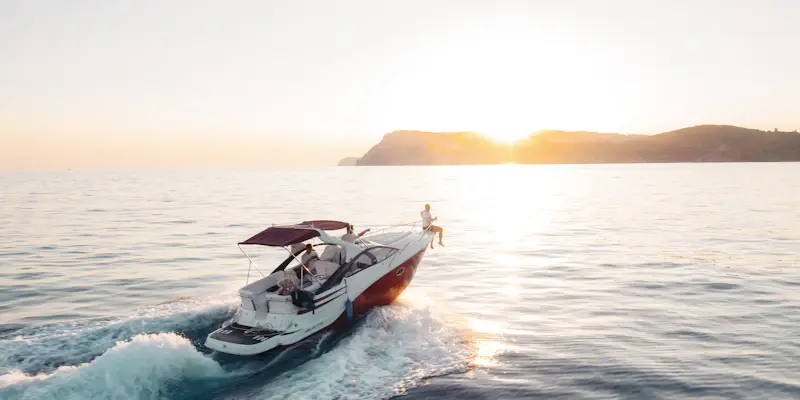
Boating is a thrilling and serene pastime, offering unparalleled enjoyment on the water. However, it comes with significant financial risks due to potential accidents and liabilities. Understanding boat insurance coverage is crucial for mitigating these risks and ensuring a safe and enjoyable boating experience. This article explores the key insurance coverage types essential for boat owners, highlighting their importance in protecting against various liabilities and unforeseen events.
Core Insurance Coverage
Liability and Accident Coverage
Liability Coverage is fundamental for all boaters, as it covers costs if the boat injures someone or damages property. This kind of coverage is not merely advisable but often a prerequisite for marina access, further emphasizing its importance. Liability coverage typically includes medical expenses, repairs, and legal fees that arise from accidents involving the boat. Selecting a policy with suitable limits is vital for ensuring financial protection against substantial costs. This coverage is especially crucial in scenarios where the boat owner is found liable for an accident, as the financial repercussions can be severe.
Accident Coverage is equally crucial for boaters, as it provides protection against the high costs of damage from collisions, adverse weather, or unexpected events. Boats can sustain damage from collisions with other boats, docks, or underwater objects, and the costs for repairs or replacements can be exorbitant. Accident coverage addresses these expenses, easing the financial burden on boat owners. Adequate limits on these policies ensure that boaters are covered for various risks on the water, reducing the financial strain from potentially costly accidents. Choosing a comprehensive accident coverage policy supports the boat owner in managing the unpredictable nature of boating, ensuring peace of mind.
Comprehensive and Uninsured Boater Coverage
Comprehensive Coverage expands protection beyond collisions, covering damages resulting from various non-collision events such as storms, fires, theft, and vandalism. Repairing or replacing a boat damaged under these circumstances can be financially straining, making comprehensive coverage essential. This type of insurance covers damage from adverse weather conditions, fallen objects, and even incidents involving animals. Additionally, comprehensive coverage provides protection if a boat is stolen, covering the cost of a new one. Given the diverse risks that boats face, thoroughly evaluating comprehensive coverage options is critical for selecting the best policy with additional features tailored to specific needs.
Uninsured/Underinsured Boater Coverage is indispensable, providing financial protection when an underinsured or uninsured boater causes damage. Not all boaters carry sufficient insurance, and encountering one who doesn’t can result in significant costs for the victim. This coverage compensates for expenses, including repairs and medical bills, when the responsible party cannot pay. Selecting a policy with appropriate limits ensures that boat owners are safeguarded against the financial strain resulting from encounters with boaters who lack adequate insurance. This coverage type is crucial for maintaining financial stability and covering costs that might otherwise fall on the injured party.
Additional Essential Coverage
Medical Payments and Towing Assistance
Medical Payments Coverage is a vital component of boat insurance, designed to cover unexpected medical expenses resulting from boating injuries. Even minor accidents can lead to costly medical treatments, and this coverage ensures financial ease for necessary medical care. It covers hospital bills, medications, and emergency treatments regardless of fault. Different policies offer varying limits and scopes, with some covering minor medical needs like stitches or X-rays. Adequate medical payments coverage is essential to ease the financial burdens following boating injuries, ensuring access to necessary medical care without added financial stress.
Towing and Assistance Coverage is essential for addressing breakdowns or fuel shortages while on the water, providing peace of mind and safety. Unlike roadside services, obtaining assistance on the water can be particularly challenging and costly. This coverage pays for towing a boat to shore or providing minor repairs, alleviating the financial burden of unexpected breakdowns or fuel depletion. Some policies also include additional services such as fuel delivery, battery jumps, and other emergency assistance. Choosing a policy with suitable towing and assistance coverage ensures quick and efficient help, protecting boat owners from the high costs of on-water assistance.
Personal Effects and Fuel Spill Liability
Personal Effects Coverage extends protection to personal belongings commonly taken on boating trips, such as fishing gear, phones, cameras, and clothing. Replacing these items can be costly if they are lost, stolen, or damaged. This coverage helps cover the replacement costs of personal effects lost or damaged during the boating experience. Policies may vary in terms of limits and the specific items covered, with some including specialized equipment like GPS devices or water sports gear. Selecting a plan that aligns with individual needs helps boat owners effectively protect their valuable personal belongings from loss or damage.
Fuel Spill Liability Coverage is critical for addressing the environmental and legal issues arising from fuel leaks or spills, which can occur after an accident. Even minor spills have the potential to cause significant environmental damage, leading to expensive cleanup efforts and legal fees. This type of coverage assists in managing the costs associated with fuel spill cleanups and the associated legal liabilities. Given the stringent regulations in many areas concerning fuel spills, selecting a suitable plan ensures boat owners are prepared for such incidents. This coverage helps in preventing large financial risks and ensures compliance with environmental regulations.
Wreck Removal Coverage
Wreck Removal Coverage becomes essential when a boat sinks due to an accident or severe weather, covering the expensive costs mandated by law for removing the wreck. Removing a sunken boat is often a legal requirement and can be prohibitively expensive. This coverage provides the necessary financial support to manage the costs of wreck removal, ensuring compliance with legal requirements. Without this coverage, boat owners might face exorbitant expenses and legal liabilities related to sunken boats. Having wreck removal coverage is crucial to alleviating the financial burden and ensuring timely compliance with legal mandates for removing wrecked boats from the water.
Ensuring Comprehensive Protection
Boating is an exhilarating and peaceful hobby, offering unmatched joy on the water. However, it also involves substantial financial risks due to potential accidents and liabilities. Grasping the essence of boat insurance coverage is vital for mitigating these risks and ensuring a secure and enjoyable boating experience. This article delves into the primary types of insurance coverage that are essential for boat owners. It emphasizes their significance in safeguarding against a range of liabilities and unforeseen events, such as accidents, natural disasters, and theft. By comprehending the importance of proper insurance coverage, boat owners can better protect their investment and ensure peace of mind while enjoying their time on the water. Just as it is crucial to wear a life jacket for safety, having comprehensive boat insurance is essential for protecting both the vessel and its passengers from financial hardship.