

A New Era for European Digital Payments
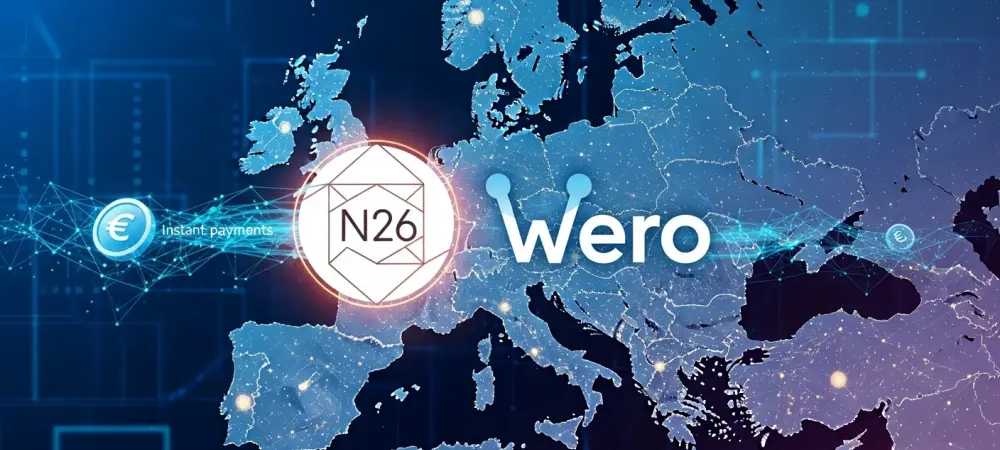
In a significant move poised to reshape the continent’s financial technology landscape, mobile banking giant N26 has announced a strategic partnership with the European Payment Initiative (EPI) to integrate Wero, a new pan-European digital wallet. This collaboration will bring seamless, instant payment capabilities to N26’s millions of customers, marking a pivotal step toward a unified European digital payment ecosystem. The integration promises to enhance user convenience and strengthen Europe’s financial sovereignty. This article will explore the background of this initiative, dissect the core features and strategic goals of the N26-Wero integration, and analyze its potential impact on the future of digital finance in Europe.
The Quest for a Unified European Payment Solution
For years, Europe’s digital payment market has been fragmented and heavily reliant on non-European technology providers. Despite the success of the Single Euro Payments Area (SEPA), which standardized bank transfers, the consumer-facing payment experience—particularly for instant transactions and digital wallets—has been dominated by American tech and credit card companies. The European Payment Initiative (EPI) was established to address this dependency, with a clear mission: to create a sovereign, innovative, and competitive payment solution built for and by Europeans. By leveraging the existing SEPA instant transfer network, EPI’s Wero wallet aims to provide a native alternative that can operate seamlessly across borders, laying the groundwork for greater digital autonomy and a more competitive internal market.
A Deep Dive into the N26-Wero Integration
Streamlining the User Experience with Advanced Features
The core appeal of the Wero integration for N26 customers lies in its promise of radical simplicity and speed. Starting in the second half of 2026, users will be able to initiate peer-to-peer (P2P) payments directly from their N26 app. A key innovation is the elimination of cumbersome IBANs for these transactions; users can send money instantly using just a recipient’s phone number or email address. This IBAN-less system removes a significant point of friction in digital payments, making transfers as easy as sending a text message. The initial rollout will target three of N26’s key markets—Germany, France, and the Netherlands—with the technical framework built upon the robust SEPA instant transfer network to guarantee real-time settlement.
The Strategic Vision Beyond Peer-to-Peer Payments
While the initial launch focuses on revolutionizing P2P transfers, the ambition for Wero extends far beyond that. The long-term roadmap includes expanding its functionality to support a full spectrum of payment scenarios, including e-commerce transactions and point-of-sale payments at physical retail stores. This phased expansion is designed to position Wero as a comprehensive payment solution capable of competing directly with established card networks and global digital wallets. For N26, this evolution from a simple P2P tool to an all-encompassing payment method represents a powerful strategy to deepen customer engagement and capture a larger share of the payment value chain.
Bolstering Europe’s Digital Autonomy and Competitiveness
This partnership is more than just a product launch; it’s a strategic maneuver to enhance Europe’s digital sovereignty. Leaders from both N26 and EPI have emphasized that developing a native European payment system like Wero is vital for reducing the continent’s reliance on external providers and fostering a more resilient and independent digital economy. By offering a compelling, homegrown alternative, the initiative aims to provide European consumers and merchants with greater choice and control over their financial data. This move is seen as a critical step in building a more integrated and competitive European single market for payments, ensuring that value and innovation remain within the continent.
What’s Next for the European Payment Landscape
The introduction of Wero through a major digital bank like N26 is set to accelerate the shift toward account-to-account (A2A) instant payments across Europe. This trend challenges the traditional dominance of card-based transactions by offering a faster, more direct, and often lower-cost alternative. As Wero gains traction, incumbent banks and financial institutions will face increased pressure to modernize their own payment offerings to remain competitive. The primary hurdle for Wero will be achieving widespread adoption among both consumers and merchants. Its success will depend on its ability to deliver a user experience superior to existing options and to build a network effect that makes it an indispensable tool for daily transactions.
Navigating the Shift What This Means for Consumers and the Industry
The integration of Wero into the N26 platform offers clear takeaways for all stakeholders. For consumers, it signals the arrival of a more convenient, unified, and secure payment experience that works seamlessly across European borders. For N26 and other participating banks, it provides a powerful competitive differentiator and a chance to build a financial ecosystem less dependent on third-party networks. For the broader European fintech industry, it represents a landmark achievement in the quest for digital autonomy. As the rollout approaches, other financial players must develop strategies to either compete with or integrate into this emerging pan-European network to avoid being left behind.
A Defining Moment for European Fintech
The N26 and EPI partnership to launch Wero is a landmark event that transcends a simple feature update. It embodies a concerted effort to forge a new path for digital payments in Europe—one defined by sovereignty, innovation, and seamless user experience. By creating a powerful, homegrown payment network, this initiative has the potential to fundamentally alter the competitive dynamics of the global financial industry. The long-term success of Wero could not only simplify banking for millions but also cement Europe’s position as a formidable force in the future of digital finance, marking a decisive step toward a truly integrated and autonomous economic future.