

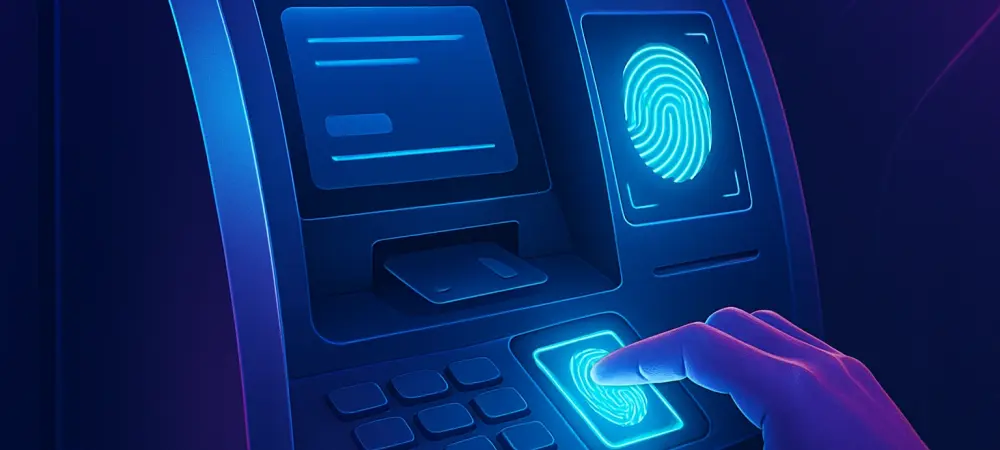
Unveiling a New Era of ATM Convenience
Imagine standing at an ATM, needing cash urgently, but fumbling with a card and struggling to recall a PIN under pressure, a scenario all too common for many. Thanks to a groundbreaking collaboration between Mastercard, NCR Atleos, and ITCARD, this frustrating experience is becoming a relic of the past as they introduce contactless, PIN-less transactions via mobile devices, redefining how consumers interact with ATMs in a digital-first world. The innovation caters to a growing preference for speed and ease, as people increasingly ditch traditional wallets and physical cards for mobile solutions.
The significance of this advancement cannot be overstated in an era where convenience drives consumer behavior. With mobile technology at the forefront, the demand for seamless financial experiences has surged, pushing the industry to adapt. This new approach promises to eliminate outdated hurdles, offering a glimpse into a future where withdrawing cash is as simple as a tap on a smartphone.
This guide aims to help readers understand and embrace this cutting-edge technology by exploring its benefits and mechanics. Key advantages such as enhanced speed, robust security, and unmatched simplicity are at the core of this transformation. By delving into these aspects, the following sections will equip users with the knowledge to navigate and appreciate this shift in ATM interactions.
The Evolution of ATM Transactions: Why PIN-Less Matters
For decades, the ATM experience has followed a predictable routine: insert or tap a card, punch in a PIN, and wait for the transaction to process. While functional, this method now feels slow and cumbersome in a world where instant gratification is the norm. As digital tools dominate everyday life, consumers are seeking faster, more intuitive ways to handle financial tasks.
In several European countries like Poland and Switzerland, contactless ATMs have already emerged, allowing users to authenticate transactions via mobile devices. However, even these systems often require entering a PIN, adding an unnecessary layer of friction despite the initial mobile verification. This lingering step has hindered the full potential of a truly seamless experience, leaving room for improvement. Eliminating the PIN represents a pivotal leap forward in meeting modern expectations. This change aligns with broader trends in digital banking, where efficiency and user-friendliness are paramount. By removing this final barrier, the industry responds directly to consumer demand for interactions that are not only quick but also effortlessly integrated into daily routines.
How PIN-Less Transactions Work: A Step-by-Step Breakdown
Step 1: Mobile Authentication via Biometrics
The first step in this innovative process involves authenticating identity directly on a mobile device using biometric features. Whether it’s a fingerprint scan or facial recognition, users can confirm who they are without needing a physical card or remembering a PIN. This method leverages technology already embedded in most smartphones, making it accessible to a wide audience.
Ensuring Security with Biometric Precision
Biometric authentication stands out for its ability to maintain stringent security standards. By relying on unique personal identifiers, it significantly reduces the risk of unauthorized access or fraud. This approach ensures that only the rightful owner can initiate a transaction, providing peace of mind in an increasingly digital landscape.
Step 2: Contactless Interaction at the ATM
Once authenticated, the next step is as simple as approaching the ATM and tapping the mobile device on the designated reader. This action mirrors the ease of contactless payments at retail stores, requiring no further input from the user at this stage. The interaction is designed to be intuitive, minimizing the learning curve for everyone.
Speed Boost: Over 20% Faster Transactions
Initial testing by Mastercard has demonstrated that transactions using this method, known as the Consumer Device Cardholder Verification Method (CDCVM), are over 20% faster than traditional PIN-based withdrawals. This time-saving aspect is a game-changer, especially for those who value efficiency in their busy schedules. The streamlined process cuts down waiting time at the machine, enhancing overall user satisfaction.
Step 3: Seamless Cash Withdrawal
The final step sees the ATM processing the request and dispensing cash without any additional user intervention. After the tap, the system completes the transaction automatically, delivering funds in a matter of seconds. This frictionless conclusion underscores the technology’s focus on simplicity and ease of use.
User-Friendly Design for All Demographics
This streamlined process is crafted to benefit a diverse range of users, from tech-savvy younger generations to older individuals who may be less comfortable with digital tools. By reducing complexity, it ensures that accessing cash remains straightforward and inclusive. The design prioritizes accessibility, making financial services approachable for all.
Key Takeaways from the PIN-Less ATM Revolution
- Elimination of Friction: No need for cards or PINs, just mobile biometric authentication followed by a tap.
- Enhanced Speed: Transactions are over 20% faster, based on Mastercard’s initial testing results.
- Uncompromised Security: Biometric safeguards uphold high safety standards, protecting users.
- User-Centric Focus: The design meets modern demands for simplicity and accessibility across demographics.
Shaping the Future of Digital-First Banking
PIN-less transactions mark a significant milestone in the journey toward a fully digital-first financial ecosystem. As banking evolves to meet customer expectations for efficiency, integrating seamless experiences across platforms becomes essential. This innovation positions ATMs as modern touchpoints that align with the broader push for intuitive and interconnected financial services. The successful pilot in Poland has laid the groundwork for a global rollout planned to span from now until 2027. This expansion aims to transform ATM interactions worldwide, ensuring that users everywhere can benefit from quicker, more accessible transactions. While the progress is promising, challenges such as ensuring access to compatible mobile devices must be addressed to guarantee inclusivity.
Beyond immediate benefits, this development hints at a future where redundant verification steps are entirely eliminated. Harmonizing user experiences across various financial services remains a key goal, with CDCVM paving the way for a unified approach. As the industry adapts, such advancements will likely inspire further innovations, reshaping how consumers engage with money management tools.
Embracing the Future of ATM Transactions
Looking back, the collaboration between Mastercard, NCR Atleos, and ITCARD proved to be a turning point in redefining ATM convenience through PIN-less, contactless transactions. Industry leaders like Johan Gerber of Mastercard highlighted the balance of simplicity and security, while Joe Gallagher of NCR Atleos emphasized the leap in speed and ease for both customers and financial institutions. Their shared vision underscored a commitment to transforming everyday financial interactions. As this technology continues to spread globally, users are encouraged to stay informed about its availability at local ATMs and ensure their mobile devices are equipped for biometric authentication. Exploring compatibility with banking apps could further enhance the experience, making transitions smoother. Keeping an eye on updates from financial providers offers a pathway to fully leverage these advancements.
Moving forward, considering how such innovations might integrate with other digital banking tools opens new possibilities for streamlined financial management. Reflecting on personal needs, users can anticipate adopting additional mobile-based solutions that complement this shift. This proactive approach promises to keep individuals ahead in a rapidly evolving financial landscape.